Thirty Per Cent Off the Top Before the Kitchen Has Spent a Penny
Delivery platforms charge 25–35% commission on every order. That is not a marketing fee — it is a structural tax on the margin.
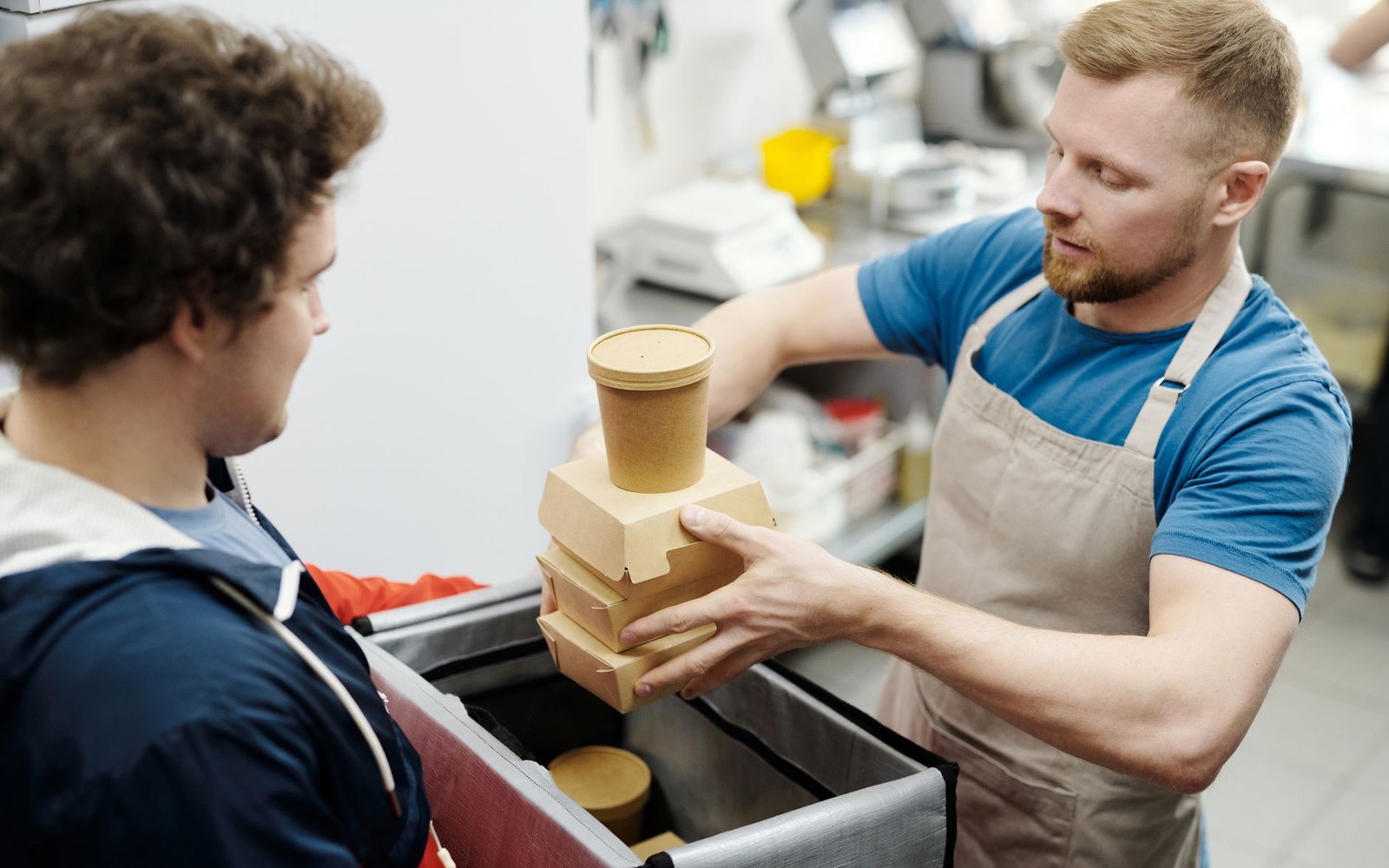
Delivery platform commission rates (typically 25–35% of order value as of 2024) as a structural problem for restaurant economics.
Photo: Norma Mortenson / PexelsThe Arithmetic Doesn't Move
A dish priced at £15 on a delivery platform at 30% commission returns £10.50 to the restaurant before food cost, packaging, labour or rent. If that dish carries a 32% food cost — the upper edge of the conventional target for a full-service kitchen — the ingredient spend is £4.80 against £10.50 gross. What remains before any other cost is £5.70. Delivery platform commission structures documented by the UK Competition and Markets Authority show rates that make this arithmetic routine, not exceptional.
Kitchens that run delivery alongside a dining room typically price the delivery menu 15–25% higher than the equivalent in-room dish to claw back some of the commission. That ceiling has a practical limit: the customer sees the comparison and the platform's own search ranking penalises outliers. The result is a compressed margin that cannot be engineered away by pricing alone.
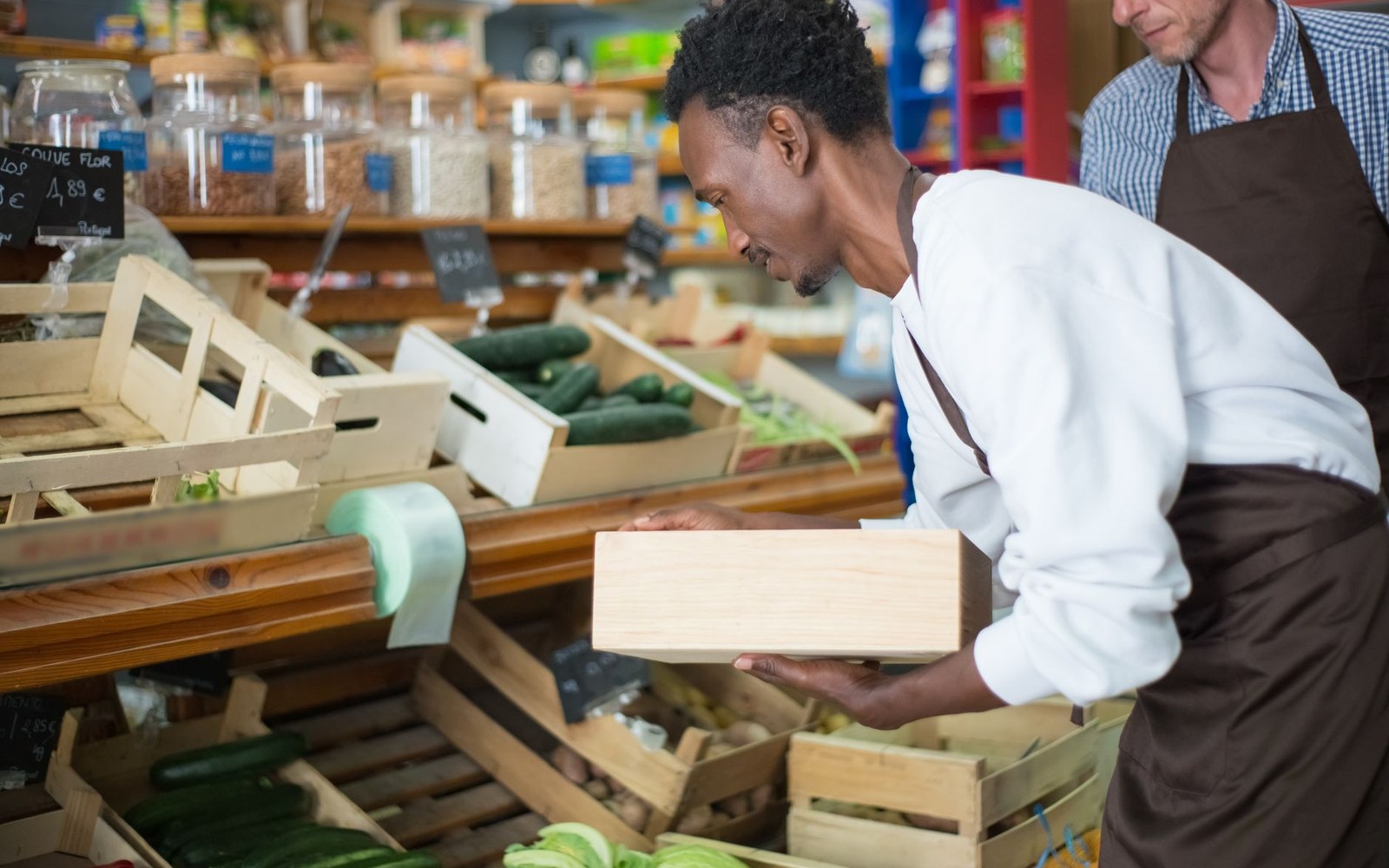
Sourcing sets the ceiling on what a kitchen can cook. Every method here assumes an ingredient that arrived in the state the method expects.
Photo: Kampus Production / Pexels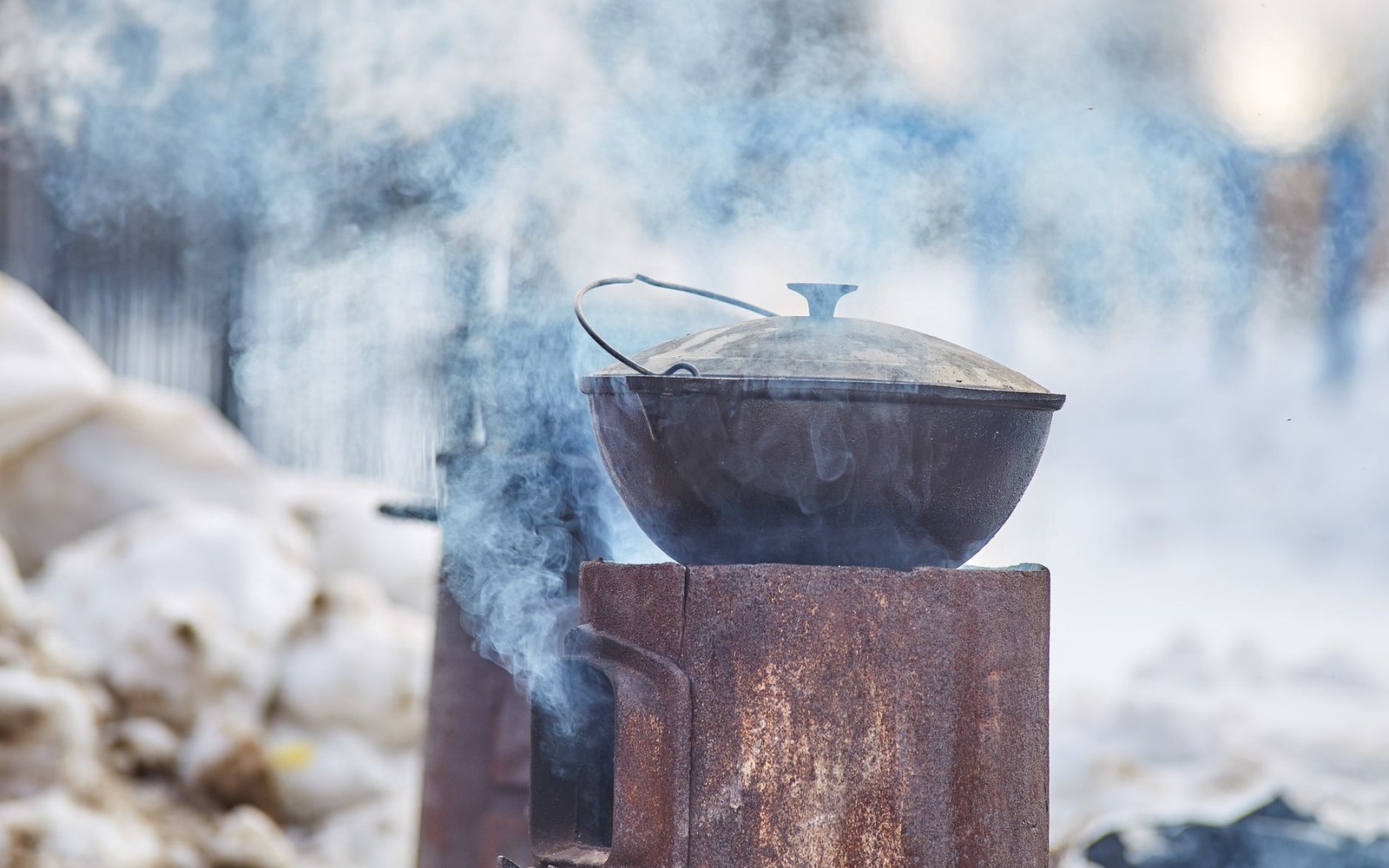
Oven temperature, not time, is the control in every method on this site: the number on the dial decides what the heat can do to collagen, gluten or fat.
Photo: Алексей Гвоздев / PexelsWhat the Ghost Kitchen Is Actually Solving
Ghost kitchens — production facilities with no dining room — exist specifically to strip out front-of-house cost: no floor staff, no covers, no linen, no sommelier. In theory, removing those costs should restore enough margin to survive platform commission. In practice, rent for a purpose-built delivery kitchen in a dense urban area, combined with the packaging premium and the delivery labour absorbed into the platform fee, frequently recreates the same pressure by a different route. The food cost percentage must then fall — typically to 22–26% — to make the model viable, which forces either cheaper ingredients or tighter specifications.
The model works when a kitchen runs multiple brands from a single production line: one prep team producing three menus, each listed separately on the platform, spreading fixed costs across higher order volume. That is the logic, and it is genuinely sound. The failure point is usually demand forecasting: a ghost kitchen with low order density on a Tuesday night carries identical fixed costs to a full one.
For any kitchen considering delivery as a revenue channel, the honest starting position is this: the platform takes its cut first, unconditionally, and the kitchen builds its model around what is left.
Key numbers
- 01Typical delivery platform commission: 25–35% of order value (2024)
- 02Conventional food cost target: 28–32% of menu revenue
- 03Ghost kitchen target food cost to survive commission: approximately 22–26%
- 04Delivery menu price uplift kitchens typically apply: 15–25% above dine-in price