Method & Fire
Where the site cooks — braises, doughs, ferments and butchery, written as quantities and timings rather than description.
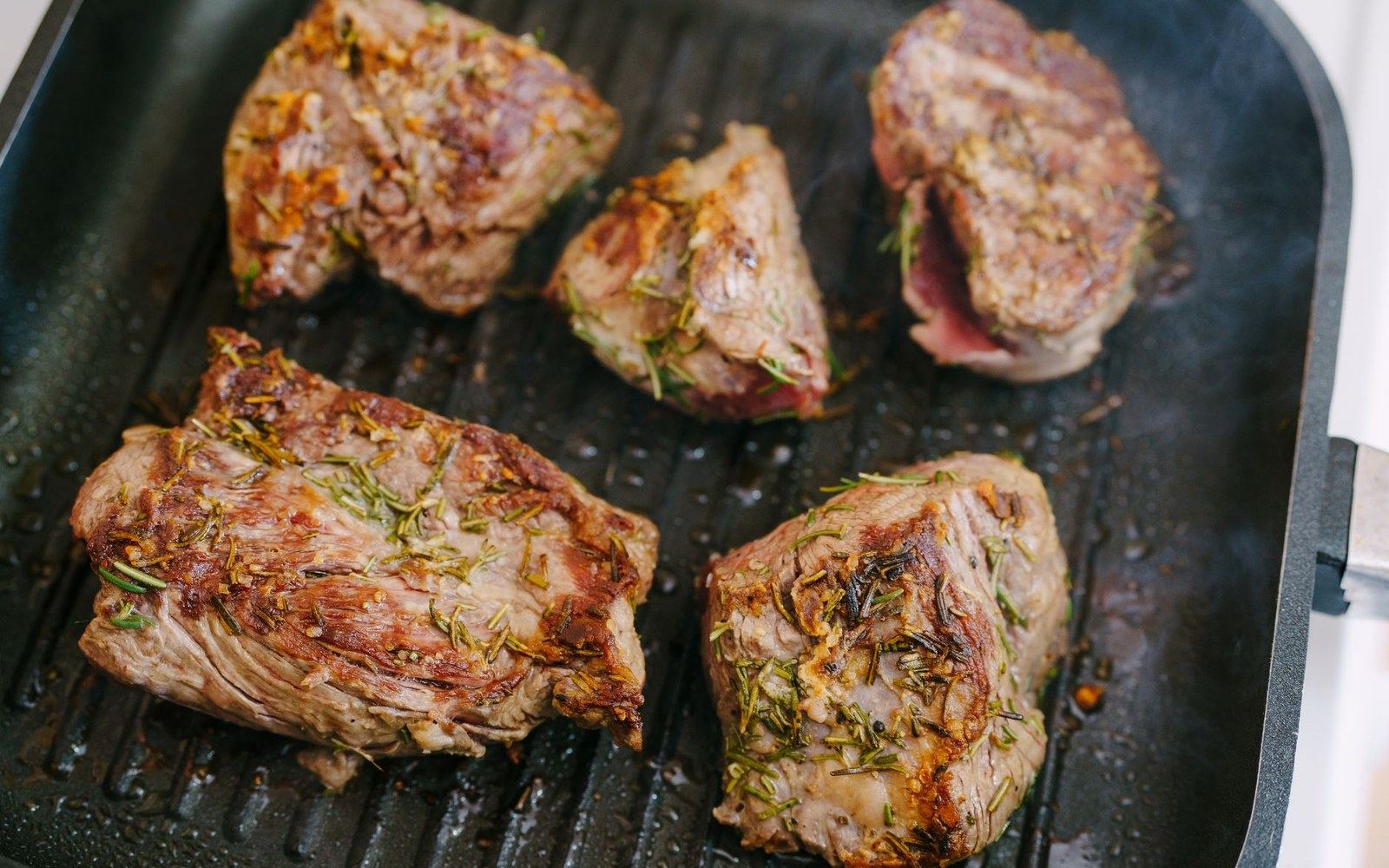
A Shoulder of Lamb, Nine Hours, 120 °C
A complete braising method for lamb shoulder: salt at 1.5% the day before, brown properly, seal with two-thirds stock, 120 °C for nine hours. The piece argues that collagen conversion, not tenderness alone, is what the low temperature is for.
-
 02
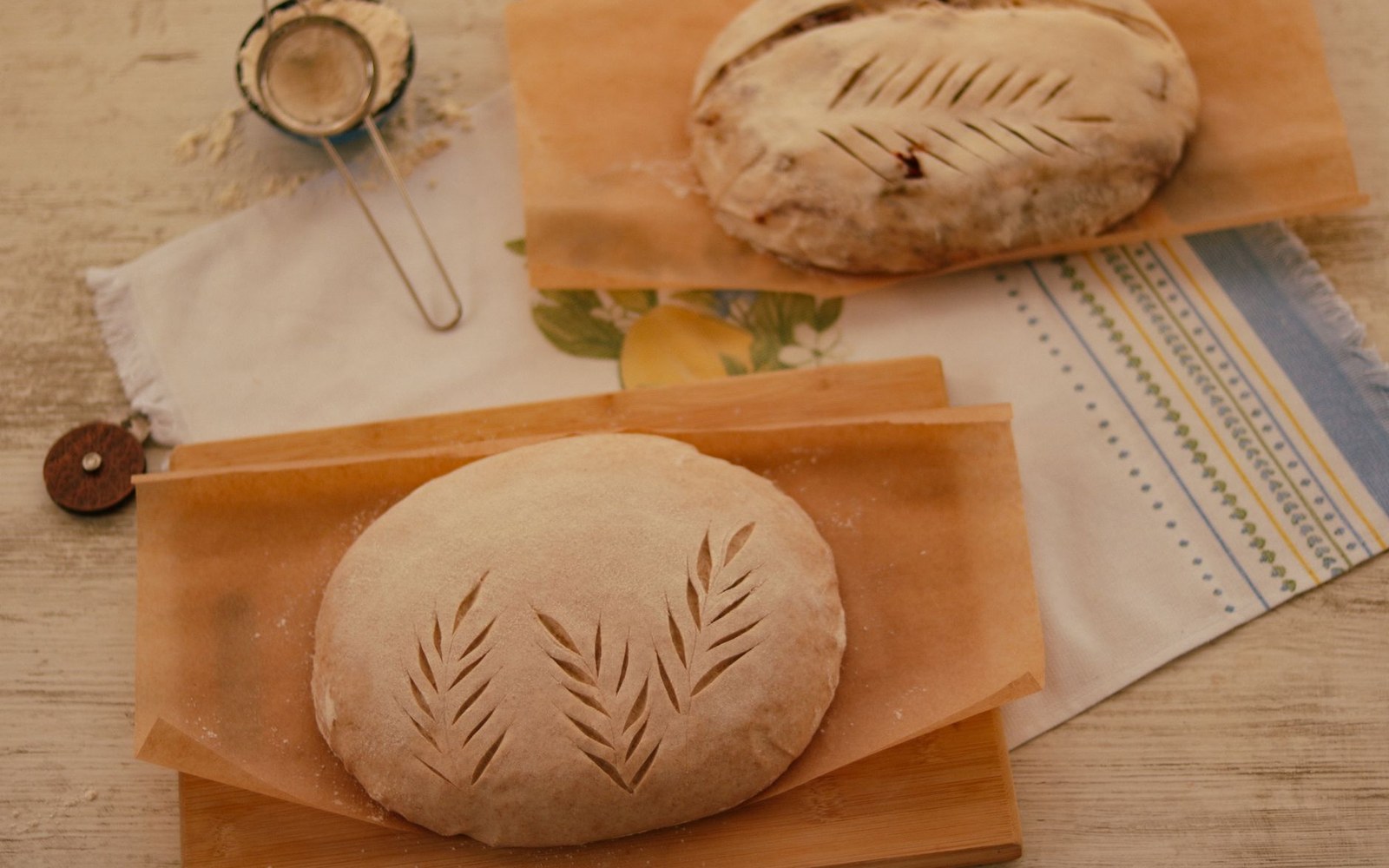
02Seventy-Five Per Cent Water and a Levain Twelve Hours Old
A worked bread method: 500 g flour, 375 g water, 100 g levain, 10 g salt, bulk four hours at 26 °C, cold overnight, baked into 250 °C dropping to 230 °C after steam. Covers why hydration percentage changes the crumb rather than just the dough feel.
-
 03
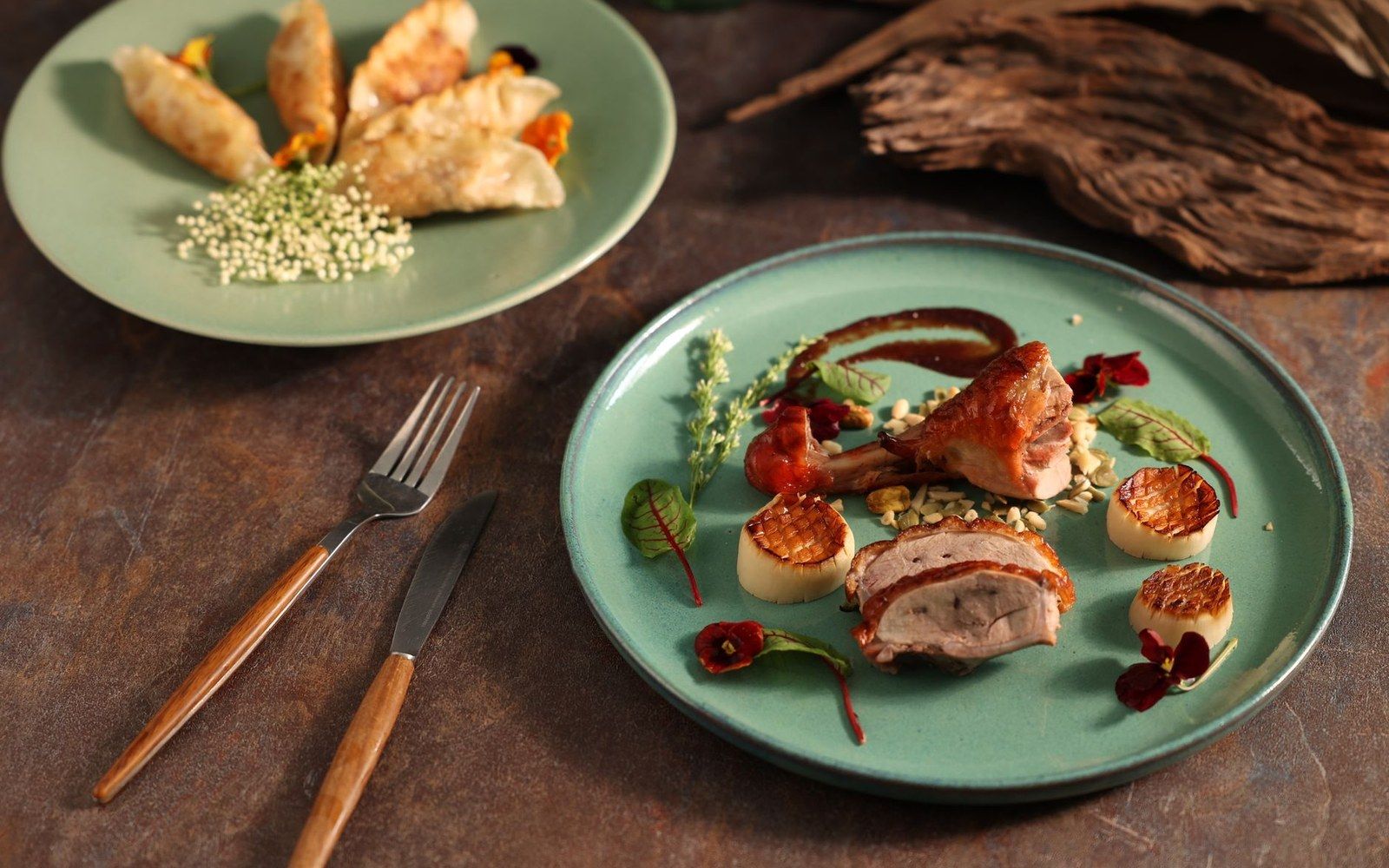
03Duck Legs, Salted for a Day, Then Six Hours at 85 °C
The confit method written as a sequence: what the fat is actually doing (heat transfer, not flavour alone), why 85 °C is the number, and how long a sealed jar of finished confit will keep in a cold room.
-
 04
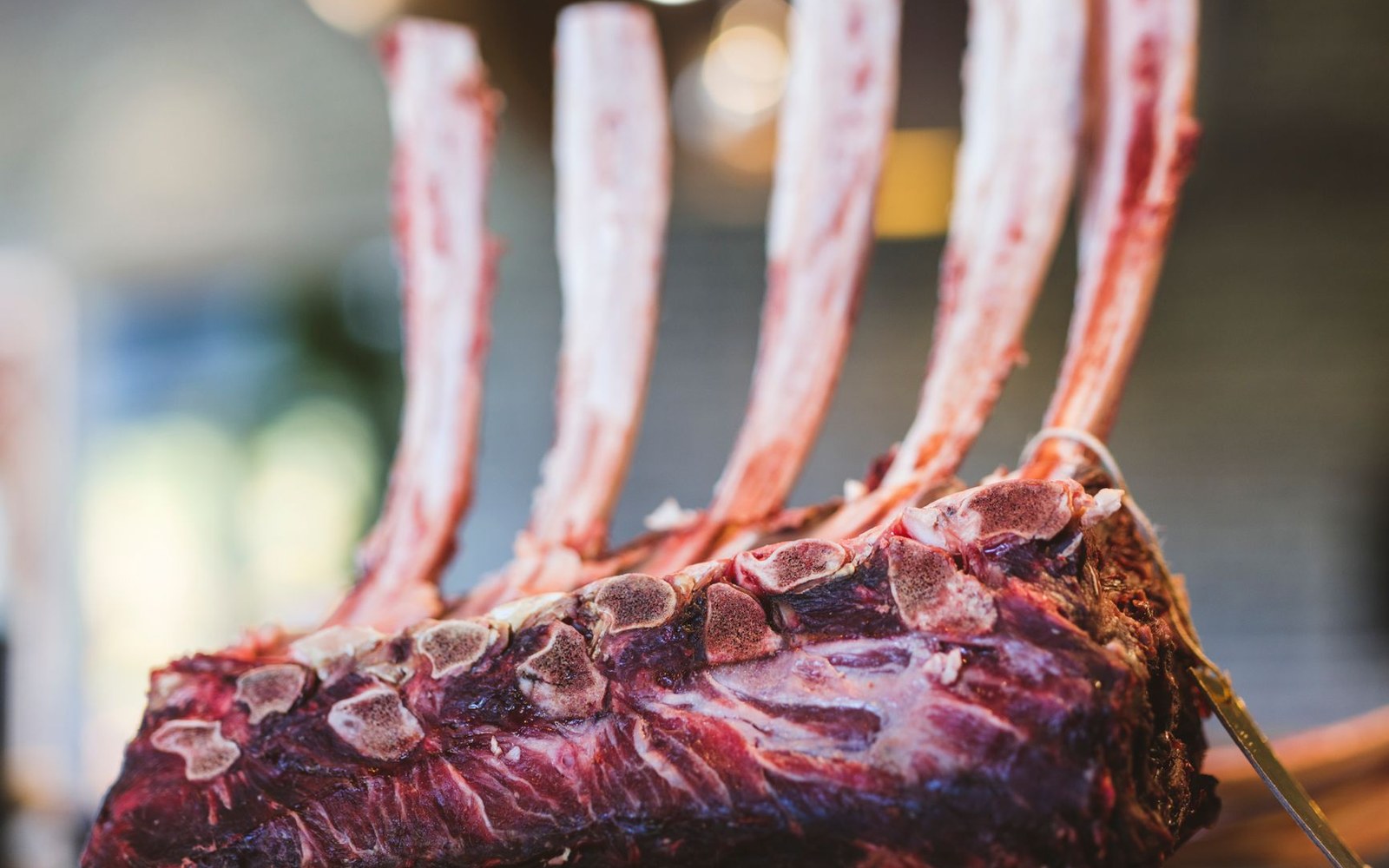
04Boning Out a Shoulder in Four Cuts
A butchery walk-through with four numbered cuts, keyed to inline SVG diagrams using the same numeral system as the rest of the site. The piece covers where the blade sits relative to the bone and why the knife follows the bone rather than the muscle.
-
 05
05A Five Per Cent Brine, Two Days at 18 °C
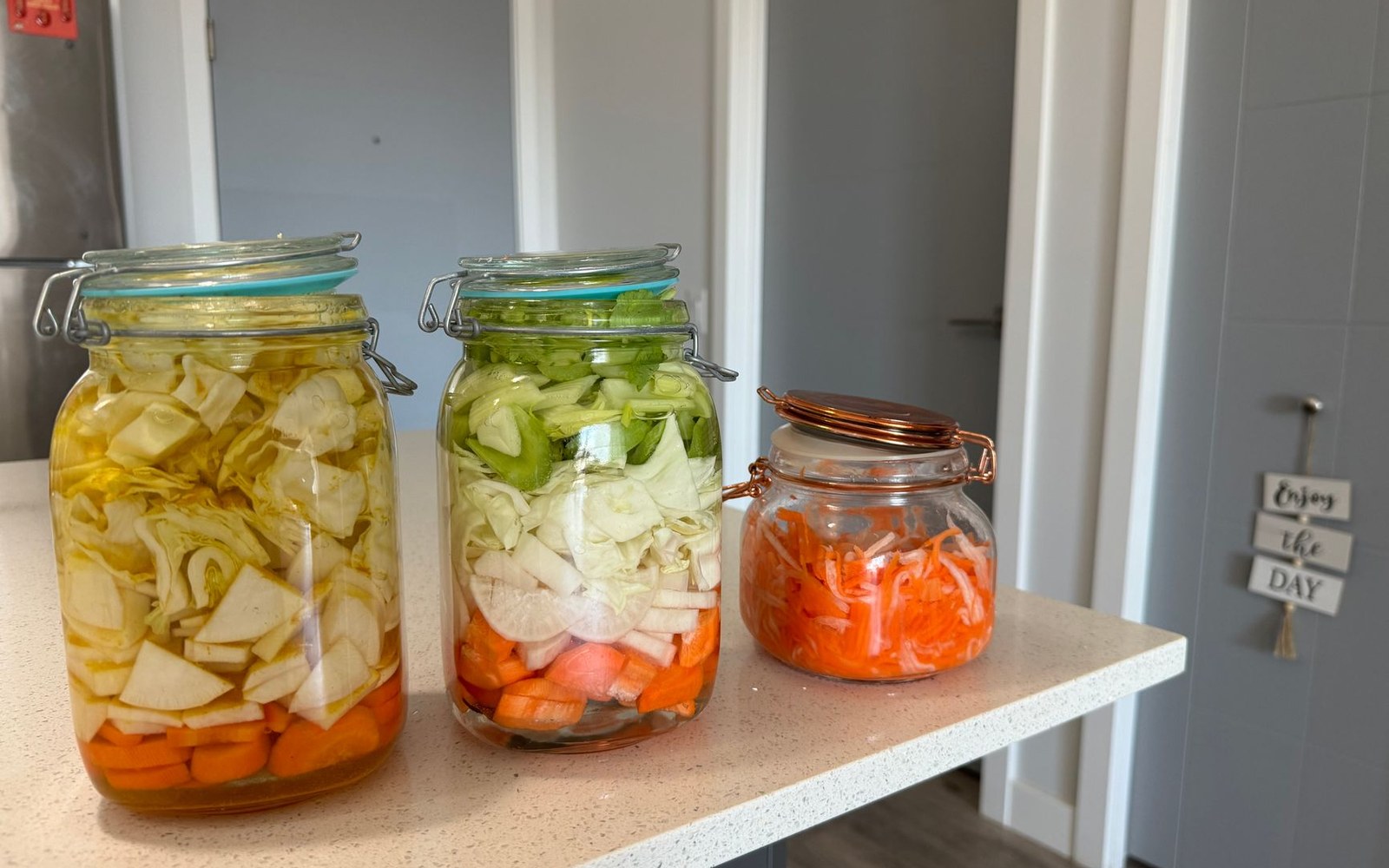
Pickling ratios explained through a single worked example — a five per cent brine at room temperature — then extended to vinegar-based quick pickles and lacto-fermented vegetables. Shows how the ratio changes what the finished pickle can do.
-
 06
06White and Brown Are the Same Bones Treated Differently
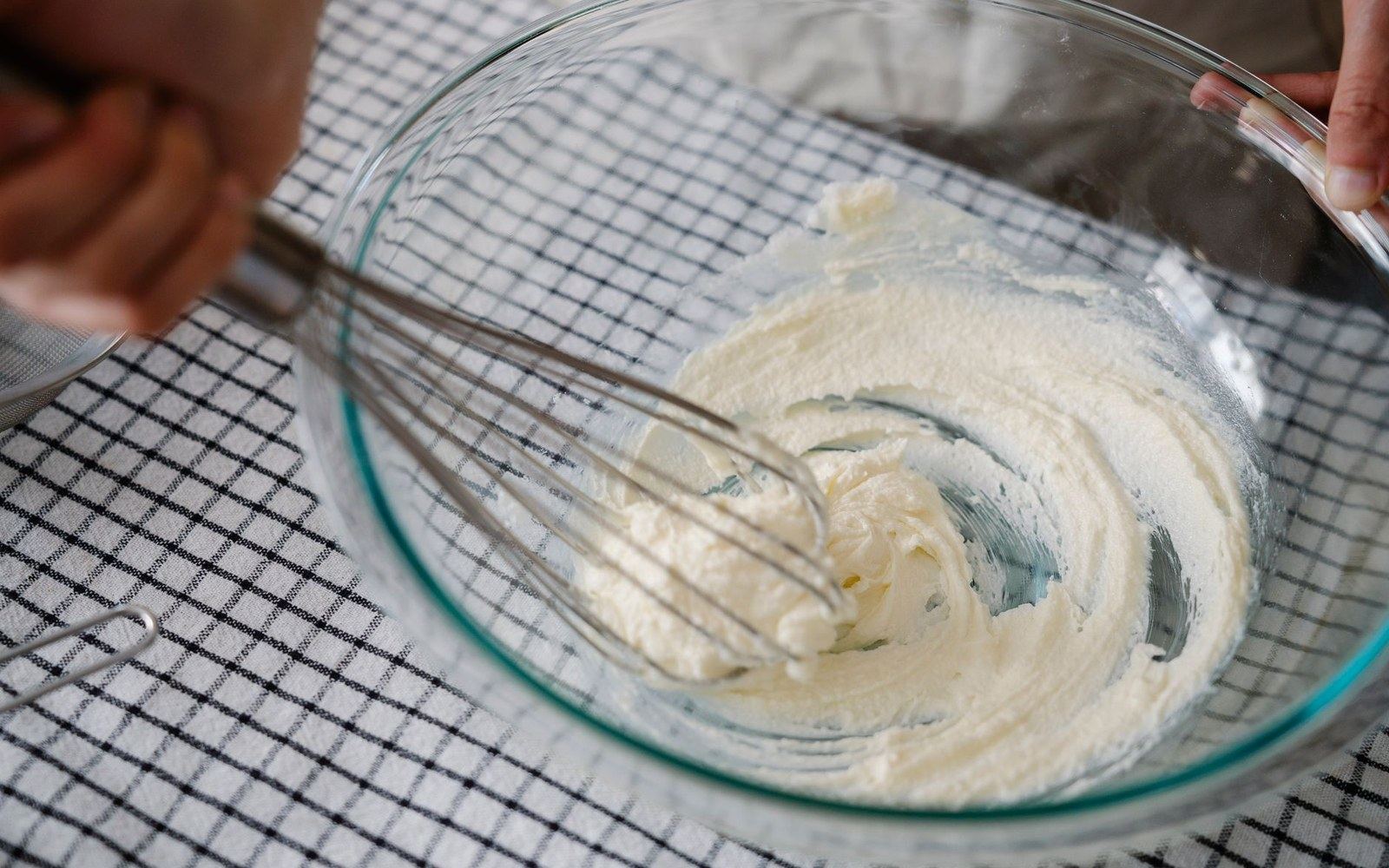
An argument for keeping both stocks: why a white stock is specified in a nine-hour braise even though brown stock would seem more obvious, and what colour the finished sauce becomes either way. Covers roasting, blanching, and reduction.
-
 07
07Why a Sauce Breaks and What to Do Before It Does
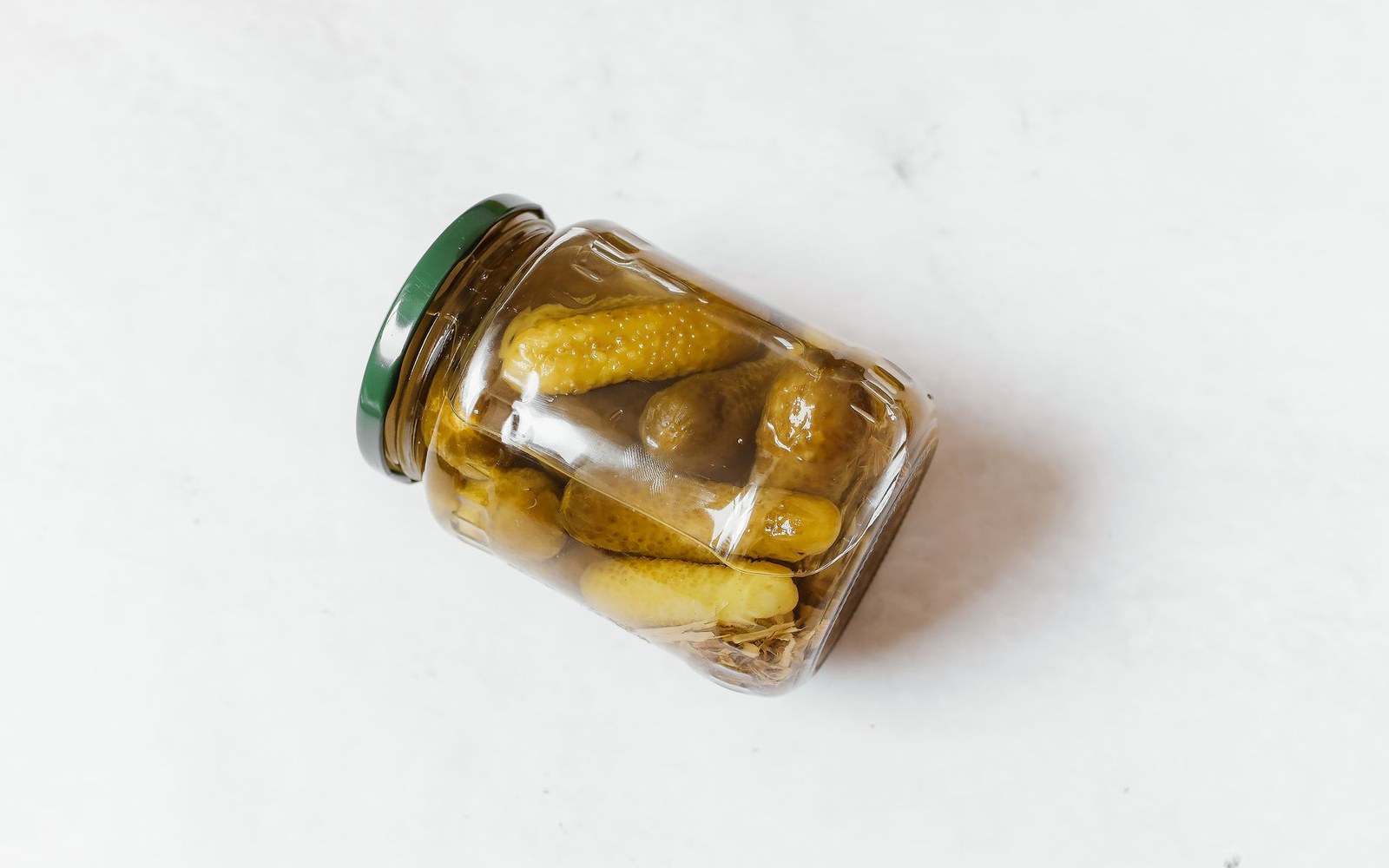
An explainer on emulsion stability — hollandaise, beurre blanc, pan sauces — covering the physics of fat droplets, the role of lecithin in egg yolk, and the two points in a method where most sauces actually fail. Practical recovery steps included.
-
 08
08A Mould Doing a Job: Fermentation from Kimchi to Garum
Traces fermentation from a home-scale kimchi (salt percentage, weight-to-vessel ratio, ambient temperature) through koji cultivation and on to garum — the fish sauce method that Noma's fermentation lab put back into professional kitchens. Shows the continuum rather than treating each as a separate technique.