Seventy-Five Per Cent Water and a Levain Twelve Hours Old
A 500 g flour batch worked through bulk, cold proof and a falling oven: why hydration shapes the crumb, not just the dough.
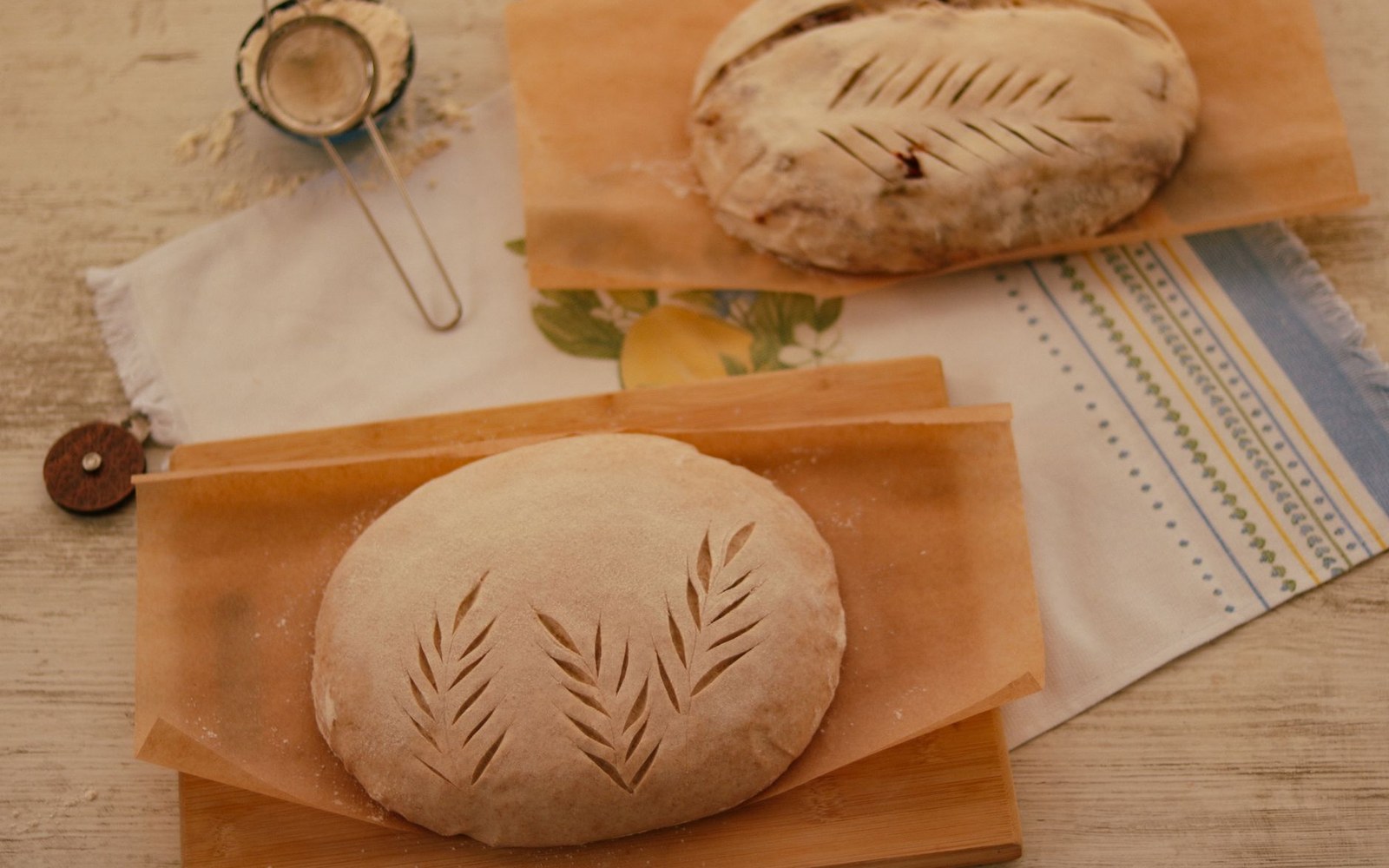
A worked bread method: 500 g flour, 375 g water, 100 g levain, 10 g salt, bulk four hours at 26 °C, cold overnight, baked into 250 °C dropping to 230 °C after steam.
Photo: Feyza Daştan / PexelsThe Formula and What It Does
The numbers first. Five hundred grams of white bread flour — a strong flour, 12–13 per cent protein — receives 375 g of water, 100 g of active levain and 10 g of fine salt. That is a 75 per cent hydration dough: 375 divided by 500, expressed as a percentage. The levain, itself a mixture of flour and water at roughly equal weights, lifts the total liquid slightly above that figure in practice, but the convention is to calculate hydration against the base flour weight alone. Bakers who are precise about this use a formula, not a feel.
The levain was built twelve hours before mixing: equal parts ripe starter, bread flour and water by weight, left at 18–20 °C overnight. At twelve hours in a cool kitchen it is active without being over-fermented — domed, just beginning to recede, with a clean sour note and enough gas production to pass a float test. Feed it too early and the yeast population exhausts itself before the dough is mixed; too late and acetic acid accumulates, producing a harsh sourness rather than a layered one.
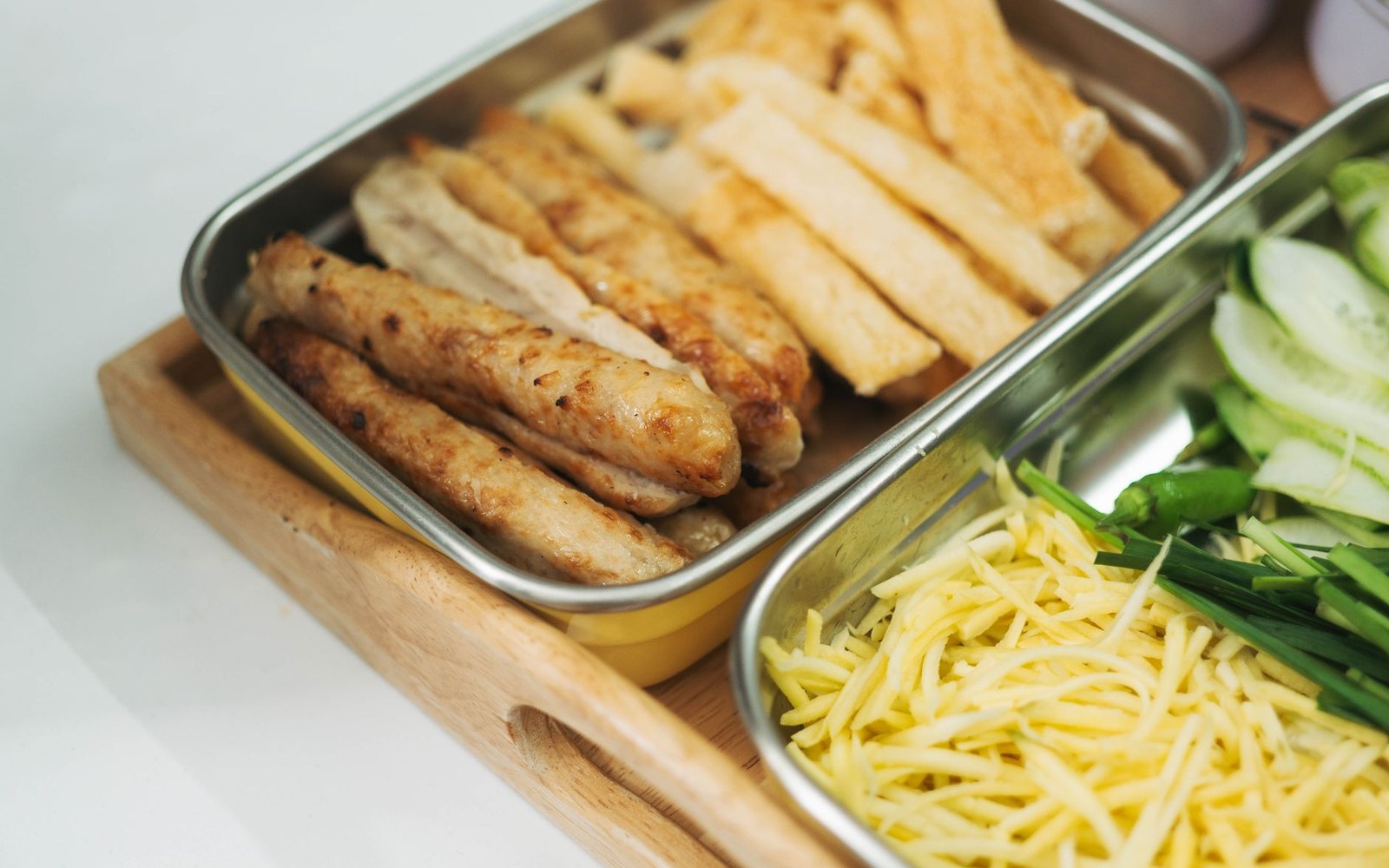
Nothing on a pass is weighed during service. Quantities are settled hours earlier, in containers, which is why a written ratio matters more than a written recipe.
Photo: FOX ^.ᆽ.^= ∫ / PexelsWhy 75 per cent? Hydration percentage is not a proxy for how sticky the dough feels to a new baker; it is a structural decision about the final crumb. At lower hydrations — say 65 per cent — gluten strands pack more tightly, the crumb is closer, and the loaf holds a higher dome. At 75 per cent, the additional water dilutes the gluten network just enough that gas cells can expand more freely during the oven spring, producing an open, irregular crumb with a thinner cell wall. The distinction matters on the plate: a tighter crumb absorbs a butter or sauce more slowly; an open crumb drinks it. Neither is wrong; both are intentional.
Bulk, Cold, and the Falling Oven
Autolyse first: flour and water combined, no levain, no salt, rested 30–45 minutes. The enzymes already present in the flour begin hydrating the proteins and converting some starch to simpler sugars. When the levain goes in — mixed thoroughly by hand — and the salt is dissolved in a tablespoon of the formula water before being added, the dough is already extensible. Salt tightens gluten and slows fermentation; adding it dissolved, rather than dry, distributes it evenly without tearing the developing network.
Bulk fermentation runs four hours at 26 °C. That temperature is not approximate. Below 24 °C, fermentation slows to the point where a four-hour bulk becomes unpredictable; above 28 °C, the yeast moves faster than the bacteria, and the acid development that gives sourdough its character compresses into a less complex profile. A proofing box or a turned-off oven with a pan of warm water holds the temperature reliably. An accurate thermometer is not optional.
The method in numbers
- 01Flour: 500 g (12–13% protein bread flour)
- 02Water: 375 g — 75% hydration
- 03Levain: 100 g, built 12 hours before mixing, equal parts starter / flour / water
- 04Salt: 10 g, dissolved before adding
- 05Bulk: 4 hours at 26 °C, 4 coil folds in the first 2 hours
- 06Cold retard: 10–14 hours at 4 °C
- 07Oven sequence: 250 °C lid-on for 20 min, then lid off at 230 °C for 20–25 min
- 08Internal temperature at pull: 96–98 °C
- 09Rest before cutting: minimum 1 hour
During the first two hours, the dough receives four rounds of coil folds — lifting the dough from beneath, stretching it upward, folding it back onto itself, rotating the container 90 degrees, repeating — at 30-minute intervals. Coil folds, rather than the older stretch-and-fold method performed at the container's edge, exert less degassing force and allow larger gas cells to persist while still building gluten strength. After four rounds, the dough rests, covered. By the end of bulk it should have increased in volume by 50–75 per cent, feel domed and aerated at the surface, and show bubbles throughout when the container is held to light.
Pre-shaping follows: a gentle preshape on an unfloured surface, using bench friction rather than flour to generate tension, then a 25-minute bench rest. Final shaping tightens the surface by pulling the dough toward the baker — a batard or a boule, depending on the banneton — without degassing the interior. The shaped loaf goes seam-side up into a floured banneton and straight into the refrigerator. Cold retard overnight, typically 10–14 hours at 4 °C, slows fermentation almost to a stop while allowing the flavour to develop further through continued, slow bacterial activity. The dough scores more cleanly from cold and holds its shape going into the oven.
The oven temperature follows a specific two-stage sequence. Preheat a cast-iron combo cooker or a heavy Dutch oven to 250 °C for at least 45 minutes — the thermal mass matters more than the air temperature. The cold loaf goes in straight from the refrigerator, scored decisively with a lame at a shallow angle to direct the spring. The lid traps steam produced by the dough itself, maintaining a humid environment that keeps the crust extensible for the first 20 minutes. Hydration percentage governs how much of that steam is available: a 75 per cent dough generates more interior steam than a 65 per cent dough, contributing to a more vigorous oven spring when the environment allows it.
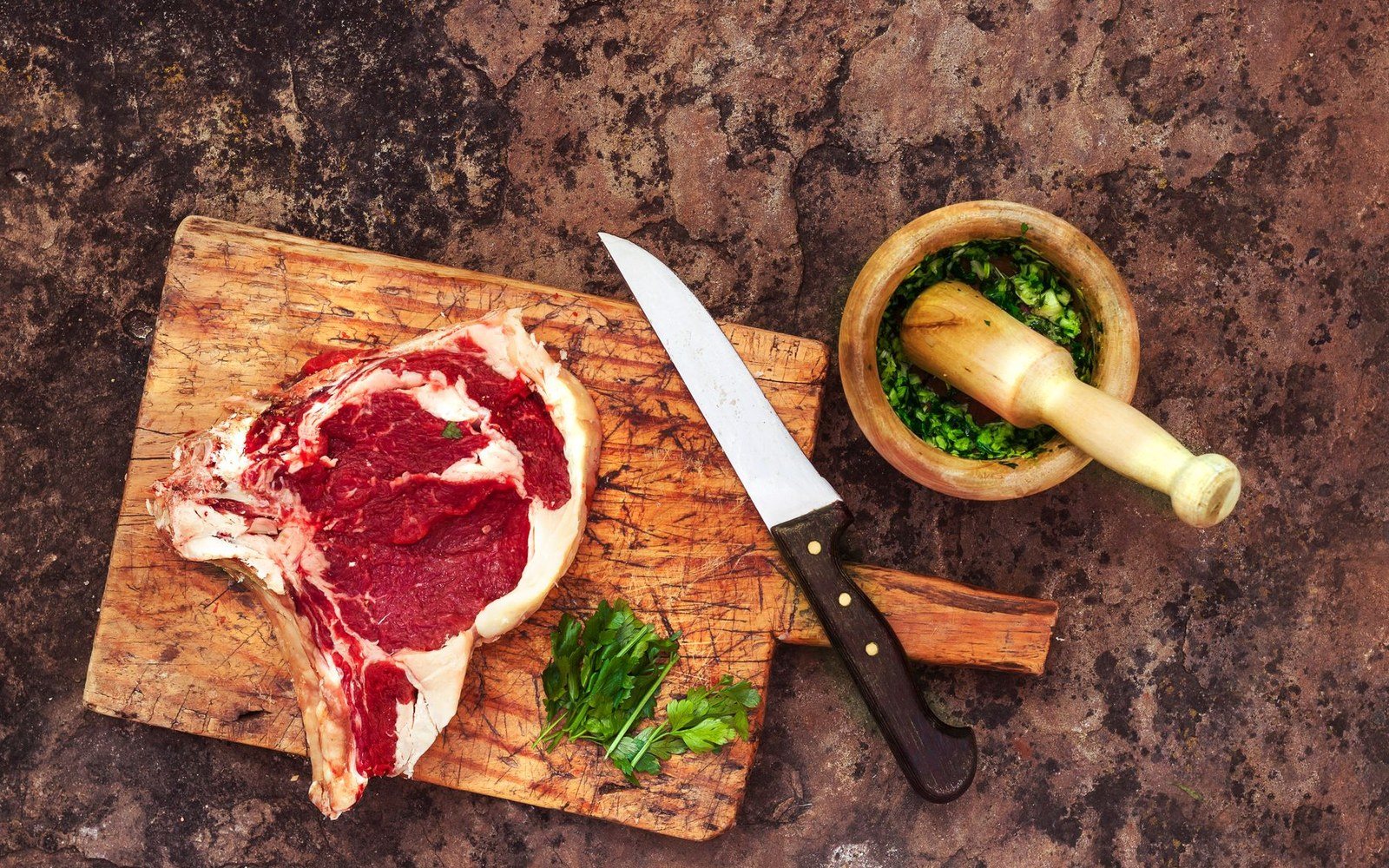
Butchery decides the cut, and the cut decides the method. A bone left in changes both the cooking time and the finished sauce.
Photo: Zakhar Vozhdaienko / Pexels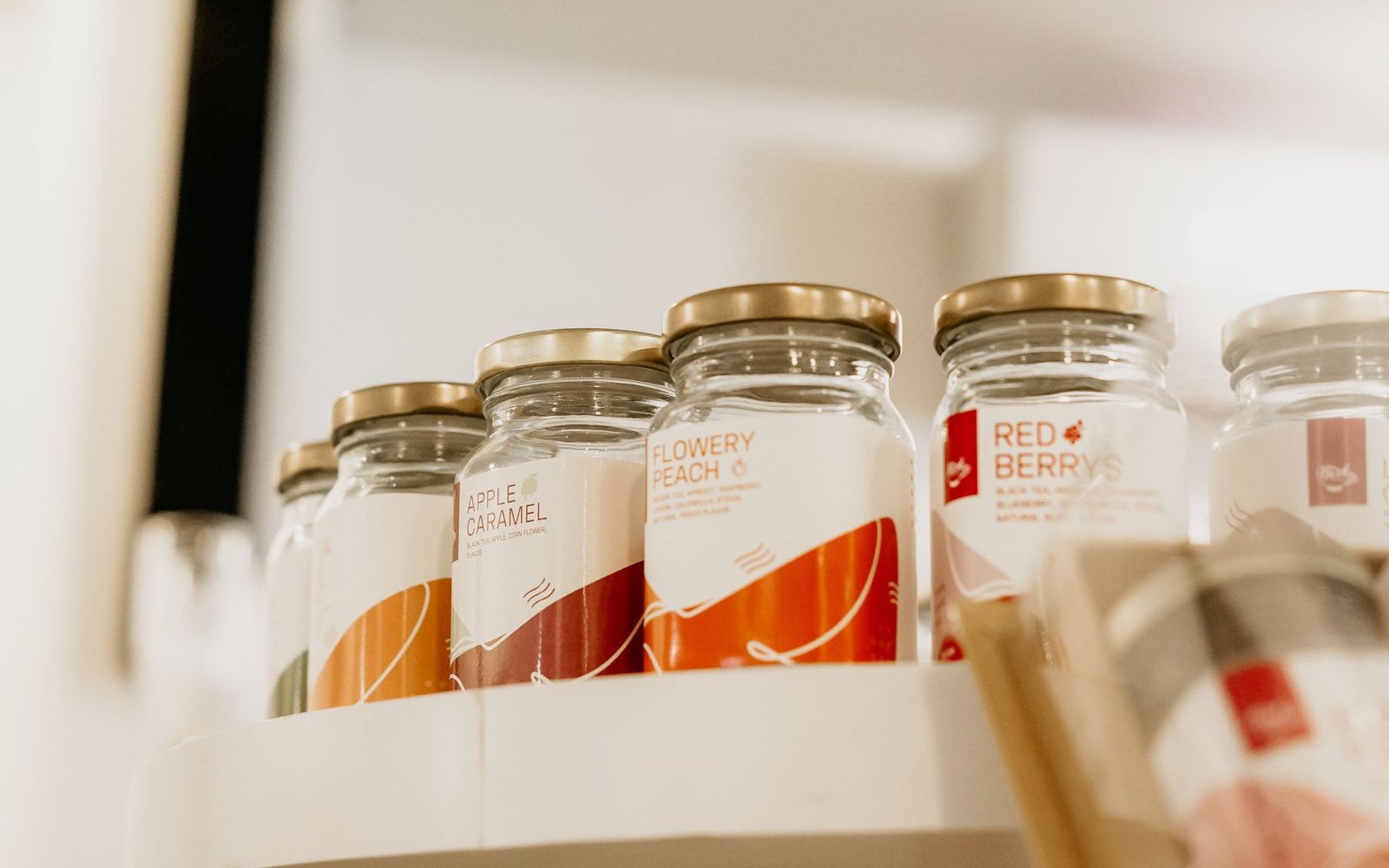
A ferment is a method that runs without a cook standing over it — which is why the ratio, the temperature and the date on the label do all the work.
Photo: Yuwanda Sandhi / PexelsAfter 20 minutes with the lid on, the lid comes off and the oven drops to 230 °C. From here, the Maillard reaction accelerates. The crust, now set, begins to colour and dry. Another 20–25 minutes produces a deep amber-brown — not pale gold, which indicates under-baking, and not black, which indicates misjudged timing. The internal temperature should read 96–98 °C. Rest the loaf on a wire rack for a minimum of one hour before cutting; the crumb is still setting as steam redistributes, and cutting early collapses cell walls, producing a gummy interior regardless of how well the bulk went.
Why the Levain Age Changes Everything
The twelve-hour levain is not an arbitrary timing. A levain fed and used at six hours will be high in yeast activity and relatively low in organic acid — the bread will spring well but taste mild. Lactobacillus bacteria, which produce the lactic and acetic acids responsible for sourness, work more slowly than the yeast, and at twelve hours in a cool kitchen they have had time to contribute meaningfully. The ratio of lactic to acetic acid shifts with temperature and hydration of the levain itself: a stiff levain (lower hydration) at cooler temperatures produces more acetic acid, sharpening the sourness; a liquid levain at warmer temperatures favours lactic acid, which is rounder and more yoghurt-like.
At 100 g levain against 500 g flour, the inoculation rate is 20 per cent. Raising it to 25 or 30 per cent accelerates the bulk and compresses the fermentation window; reducing it to 15 per cent slows the dough and suits a longer, cooler bulk or a warm kitchen. These are not stylistic choices — they are the variables a baker adjusts against ambient temperature, flour protein level and the refrigerator schedule of a working kitchen. The single formula above is a starting position. Mastery is knowing which variable to move when the dough tells you it has gone wrong.
Fermentation variables
- 01Levain at 6 hours — high yeast, mild flavour
- 02Levain at 12 hours at 18–20 °C — balanced yeast and bacterial activity, layered sourness
- 03Stiff levain at cool temperature — more acetic acid (sharper)
- 04Liquid levain at warm temperature — more lactic acid (rounder)
- 05Inoculation at 20% (100 g/500 g) — the base rate; raise to speed bulk, lower to slow it