Food Cost
The economics that fill or close a room — food cost percentages, service charge law, delivery commissions, and the four-day week.
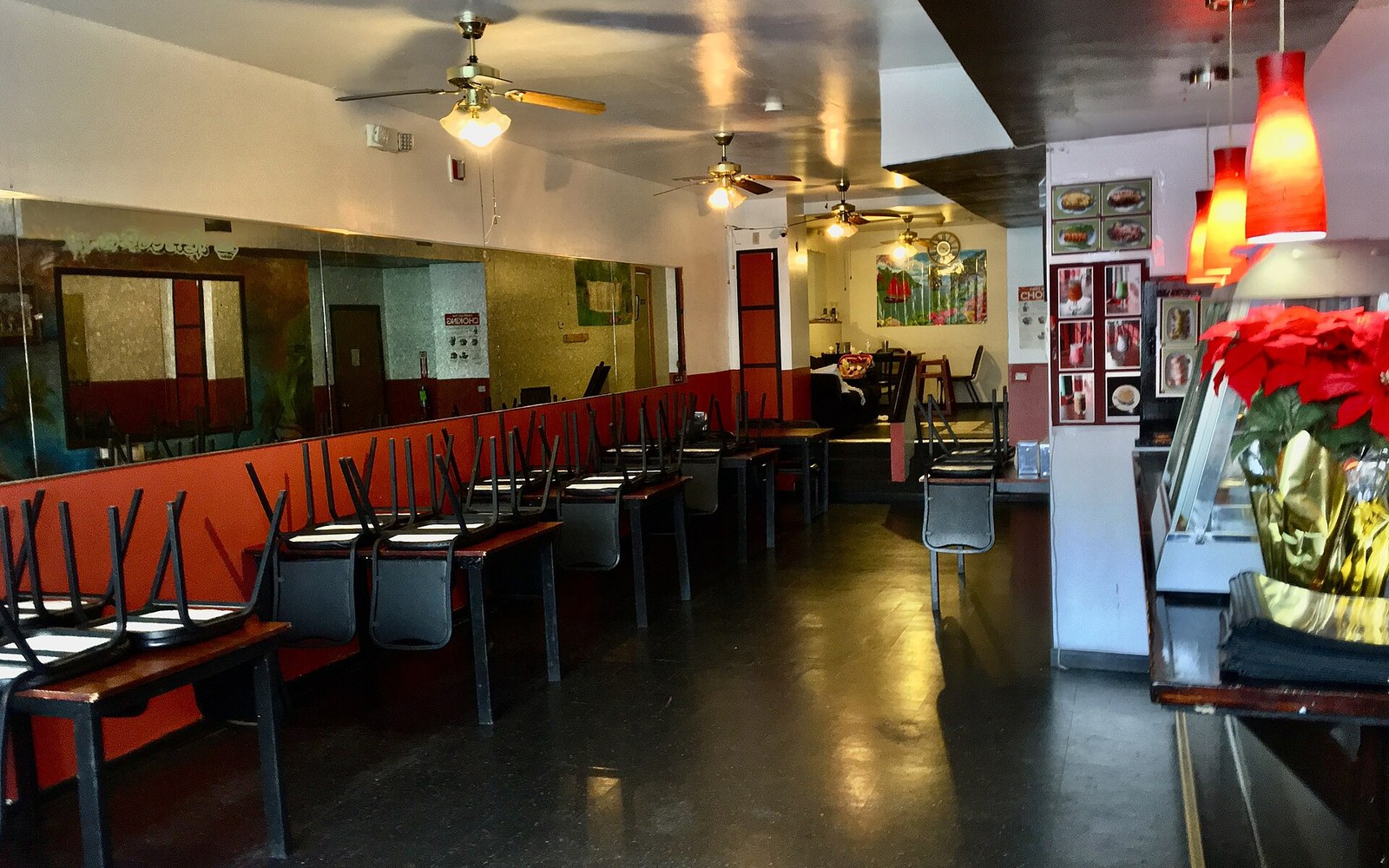
A Full Room, and Still Nothing Left at the End of the Month
The piece takes a notional 40-cover room and works through a realistic revenue-to-cost breakdown: food cost at 30%, wages at 35%, rent and service, leaving the margin that actually remains. Argues that full occupancy is a necessary but insufficient condition for a restaurant to survive.
-
 02
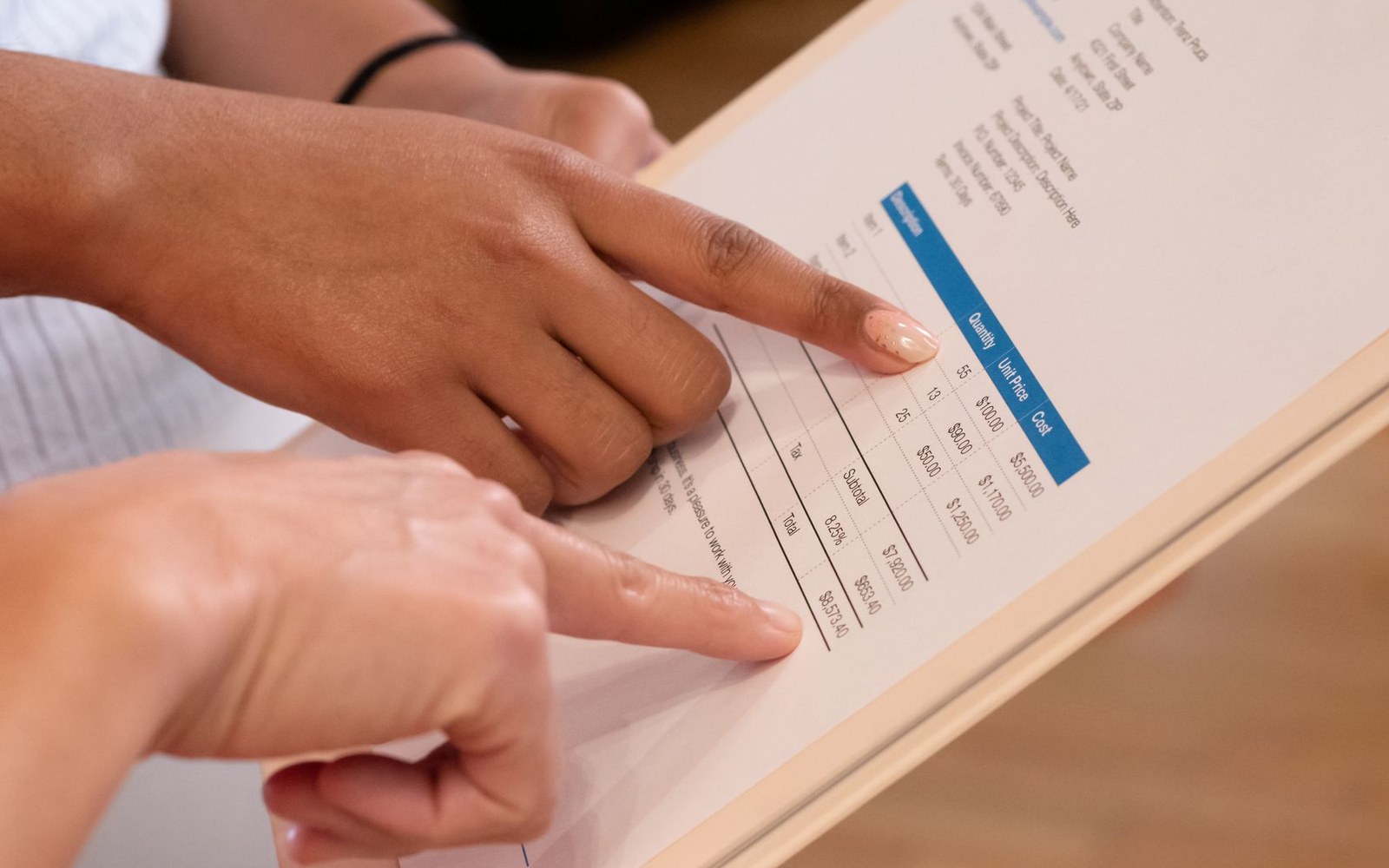
02The Tips Act Settled Who Owns the Service Charge, Not What It Costs to Cook
The UK's Employment (Allocation of Tips) Act came into force on 1 October 2024. The piece explains what it requires — all tips and service charges passed to workers, no deductions — and what it does not resolve: the fundamental question of whether a service charge can cover the cost of the brigade that earns it.
-
 03
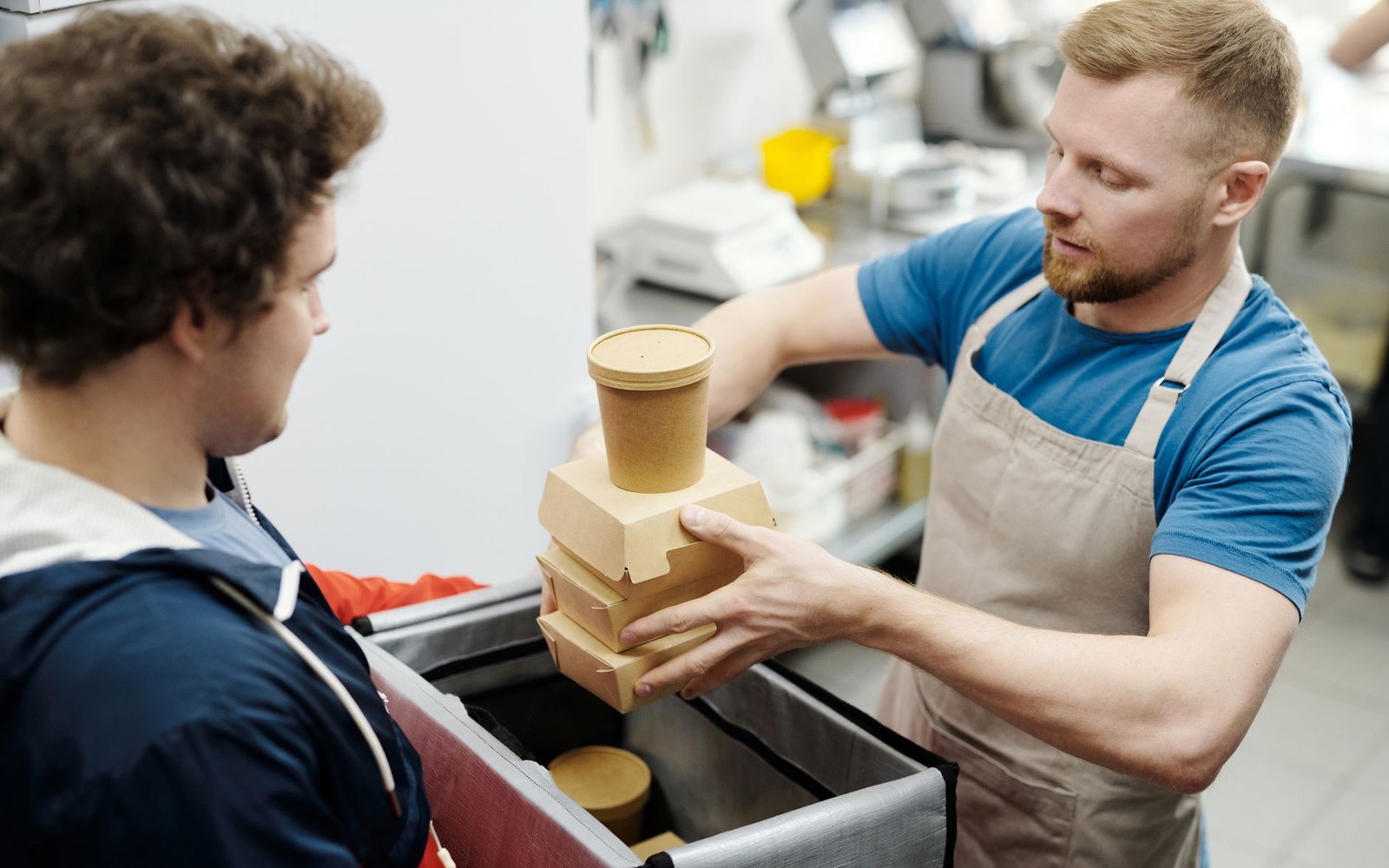
03Thirty Per Cent Off the Top Before the Kitchen Has Spent a Penny
Delivery platform commission rates (typically 25–35% of order value as of 2024) as a structural problem for restaurant economics. Covers how kitchens price delivery menus differently from the dining room, what ghost-kitchen models attempt to recover, and why the margin arithmetic is different from table service.
-
 04
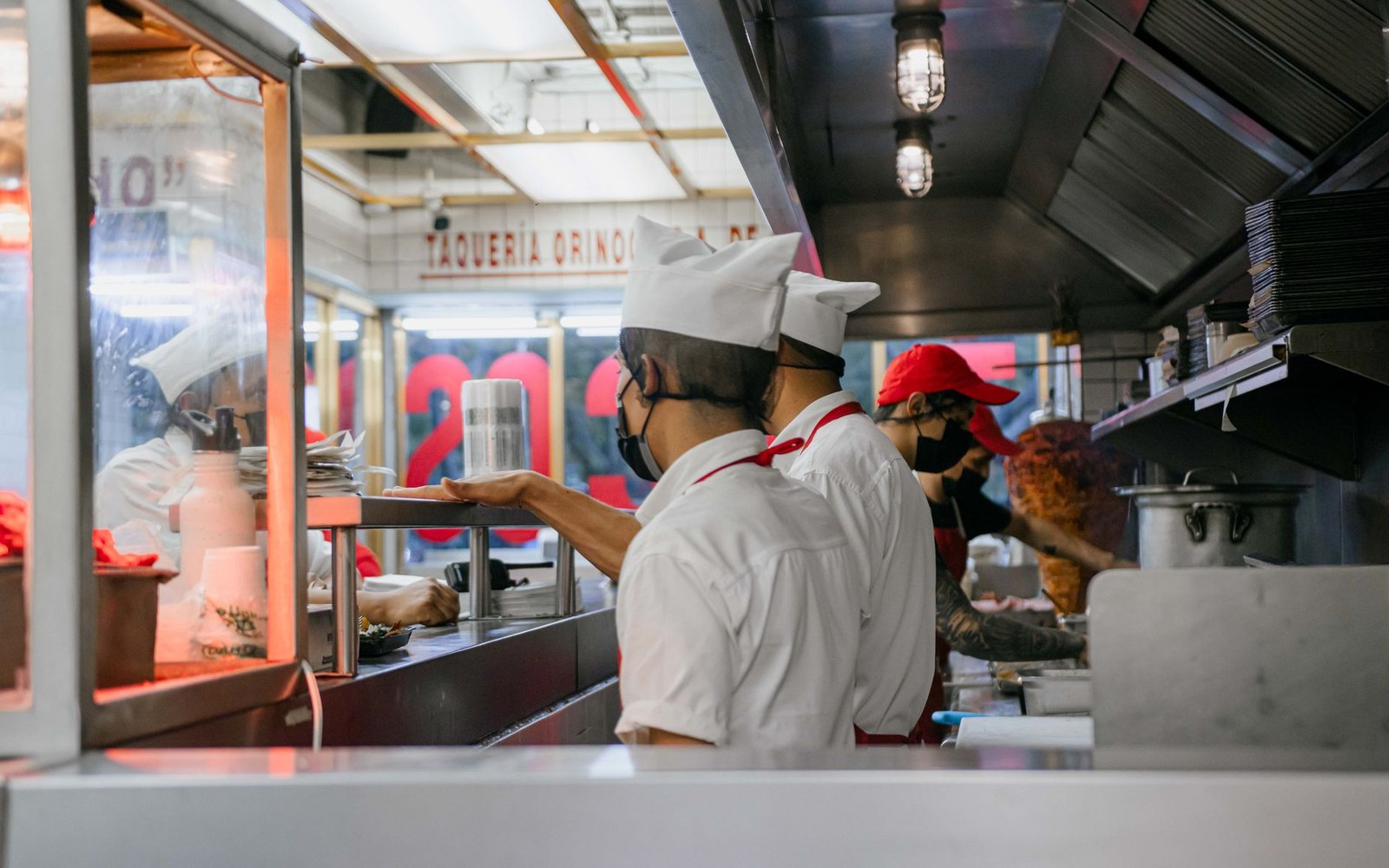
04The Bib Gourmand Goes to Rooms That Cannot Afford a Full Brigade
Michelin's Bib Gourmand designation signals good food at moderate prices, but moderate prices and the cost of a kitchen skilled enough to earn recognition are in direct tension. The piece examines the economics of a Bib Gourmand room — what the food cost looks like, how thin the brigade runs — as a case study in the gap between culinary recognition and commercial viability.
-
 05
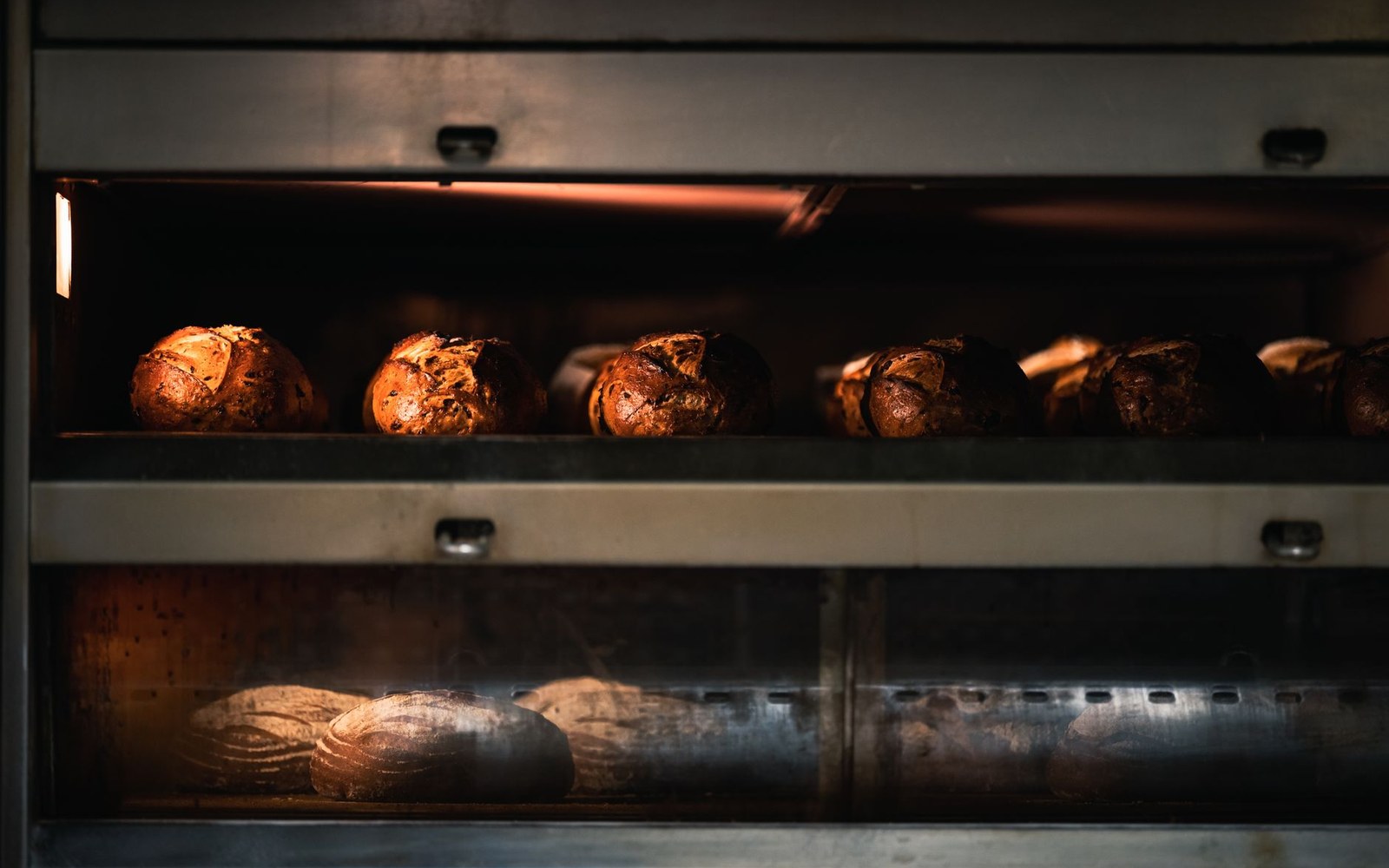
05The Sourdough Bakery Solved One Problem and Created Three Others
The sourdough-bakery model — low covers, high throughput, early close, product that can be priced at cost-plus — as a response to restaurant economics. Covers why the model works on paper, where it fails in practice (real-estate cost per square foot, equipment depreciation, the baker's hours), and what it borrows from and returns to the restaurant.