The Bib Gourmand Goes to Rooms That Cannot Afford a Full Brigade
Recognition at moderate prices sounds like good news. The numbers behind it are not.
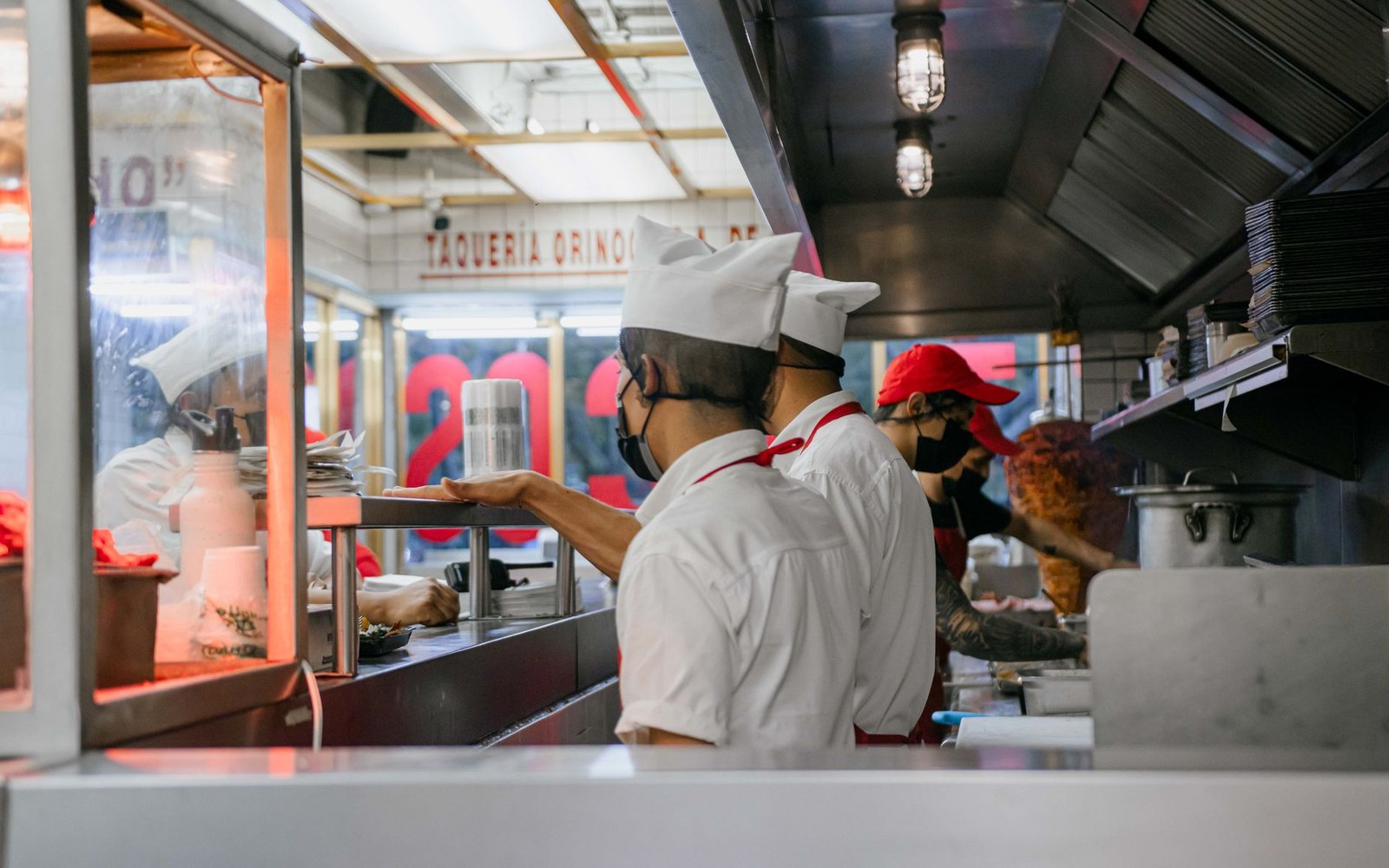
Michelin's Bib Gourmand designation signals good food at moderate prices, but moderate prices and the cost of a kitchen skilled enough to earn recognition are in direct tension.
Photo: Ali Alcántara / PexelsWhat the Designation Promises
Michelin introduced the Bib Gourmand in 1997 as a marker for restaurants offering quality meals at moderate prices, currently capped in the UK at around £28–32 for two courses and a glass of wine, depending on the city. The tyre company's inspectors are looking for skill: clean stocks, disciplined seasoning, proper technique. What they are not measuring is whether the room can sustain itself while delivering those things at that price point.
A full-service restaurant targeting a food cost percentage of 28–32 per cent on a £30 ceiling has roughly £8.40–£9.60 per cover to spend on ingredients before a single staff member is paid, a burner is lit or a landlord is satisfied. That margin is not generous. It is, in most city-centre sites, punishing.
Oven temperature, not time, is the control in every method on this site: the number on the dial decides what the heat can do to collagen, gluten or fat.
Photo: Алексей Гвоздев / PexelsWhat the Brigade Actually Looks Like
Escoffier's brigade de cuisine — the hierarchical staffing system he codified at the Savoy and the Carlton in the late nineteenth and early twentieth centuries — assumed a kitchen running separate stations: saucier, poissonnier, garde-manger, pâtissier, each staffed by a dedicated cook and commis. A Bib Gourmand kitchen cannot afford that. It cannot usually afford four cooks of any title.
The realistic model is two or three cooks covering everything: one person running hot, one running cold and pass, a third washing up who can peel and portion. The head cook — frequently the owner — writes a short menu, four starters and five mains, designed specifically to compress labour. That means shared bases: one stock that appears in two sauces and a braise, one vinaigrette that anchors three dishes, a côte de porc that uses the same reduction as the fish of the day. Dish design at this level is as much an exercise in station management as in flavour.
The mise en place has to function as a force-multiplier. A four-hour prep window before a thirty-cover service is workable only if every component is genuinely ready and genuinely stable — nothing that requires last-minute assembly beyond plating, nothing that collapses if it waits twenty minutes on a bain-marie. Fergus Henderson built the menu architecture at St. JOHN around exactly this logic: dishes that could be executed fast and cleanly by a lean team, because the margins at Smithfield in 1994 were no different in kind from the margins in a Bib room today.
Where the Money Goes Instead
Labour, as a percentage of revenue, rises as the cover price falls. A tasting menu at £180 a head might carry 30 per cent food cost and 35 per cent labour and still show a margin. A Bib room at £30 a head, doing forty covers on a good Friday, takes in £1,200 before drinks — against which rent, rates, energy and three staff members must be covered. The arithmetic only works if the room turns twice, if drinks revenue is strong, or if the owner is paying themselves last and partially in kind.
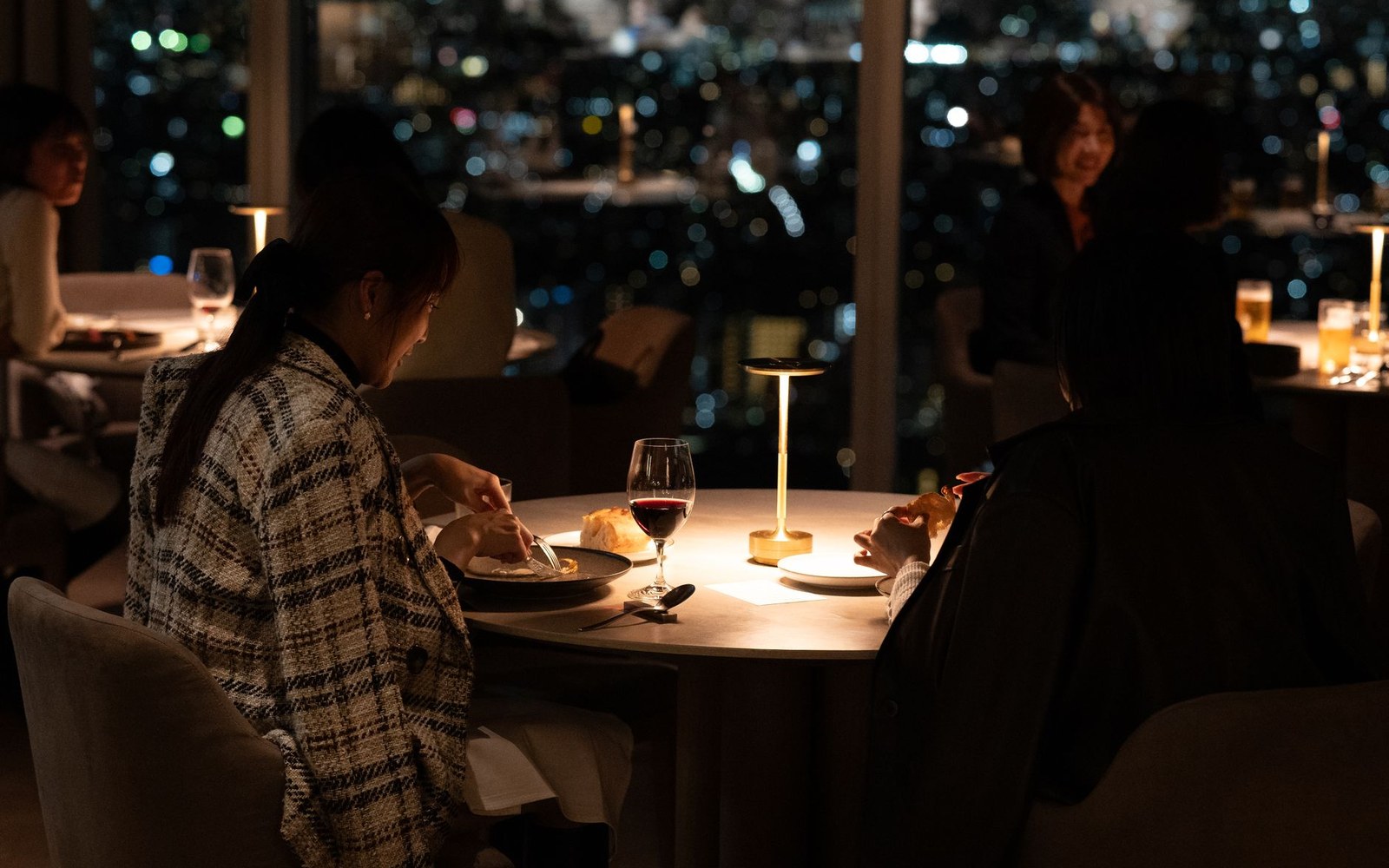
A full room is a necessary condition and not a sufficient one. What the seats earn has to clear food cost, wages, rent and service before anything remains.
Photo: Szymon Shields / PexelsThis is why the UK Employment (Allocation of Tips) Act, which came into force on 1 October 2024, landed particularly hard in Bib-category rooms: the service charge that many of them had quietly used to smooth their labour line now legally belongs to the staff. That is correct in principle. In a room running on very thin margins, it removed a subsidy that had been hiding a structural problem.
The Bib Gourmand is a genuine achievement and a real signal. It tells a diner that someone has cooked well inside a constraint. What it does not tell them — what no Michelin category tells them — is whether that constraint is sustainable, or whether the kitchen earning the recognition will still exist when the next guide is printed.
The margin, worked
- 01Cover ceiling (UK Bib): ~£30 for two courses and a glass of wine
- 02Food cost at 28–32%: ~£8.50–£9.60 per cover for ingredients
- 03Realistic brigade size: 2–3 cooks total, often including owner
- 04Forty covers at £30 = £1,200 gross revenue before drinks — from which rent, energy, rates and wages must come