St. JOHN Has Served the Same Dish Since 1994
The bone marrow hasn't moved. That's the argument.
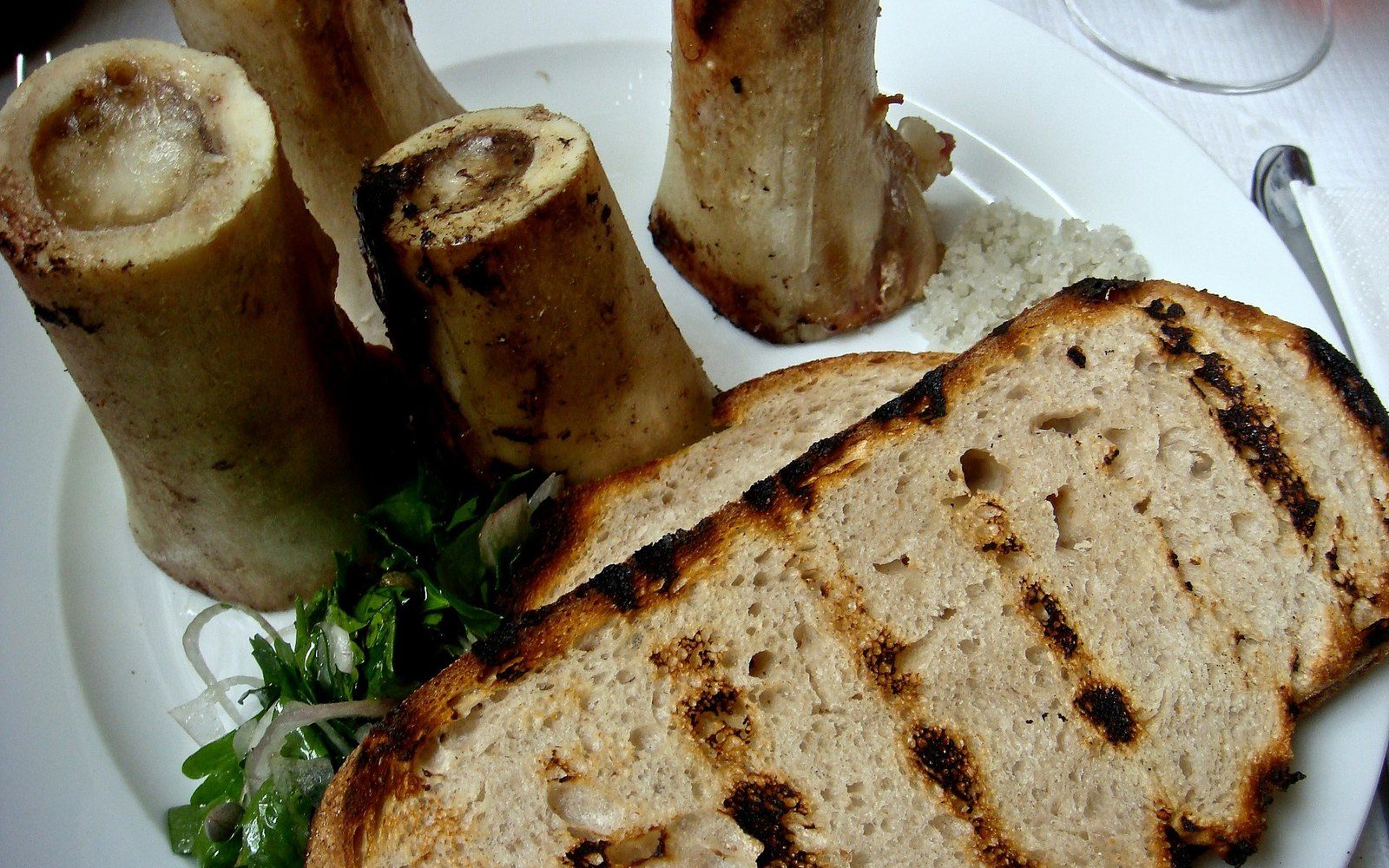
St. JOHN.
Photo: Roast Bone Marrow & Parsley Salad · Wikimedia CommonsThe Dish as Position
St. JOHN opened in a former smokehouse on St. John Street, Smithfield, in 1994. Fergus Henderson and Trevor Gulliver built it to face directly toward the meat market outside — not a gesture, a premise. The dining room is white walls, bare tables, utilitarian chairs. The menu prints the same way every day: no descriptors, no provenance notes, just the thing. Roast bone marrow and parsley salad has appeared on it continuously for thirty years.
The method is direct. Veal or beef femur bones, sawn into short canoe-cuts to expose the marrow, are roasted at high heat — roughly 230 °C — for twelve to fifteen minutes until the marrow loosens and trembles. It arrives at the table in the bone, a small pile of dressed flat-leaf parsley alongside, grey sea salt, toast. That is the entirety of it. Nothing is done to the marrow itself except heat. The parsley salad — shallot, capers, good olive oil, lemon — provides the acidity the fat demands.
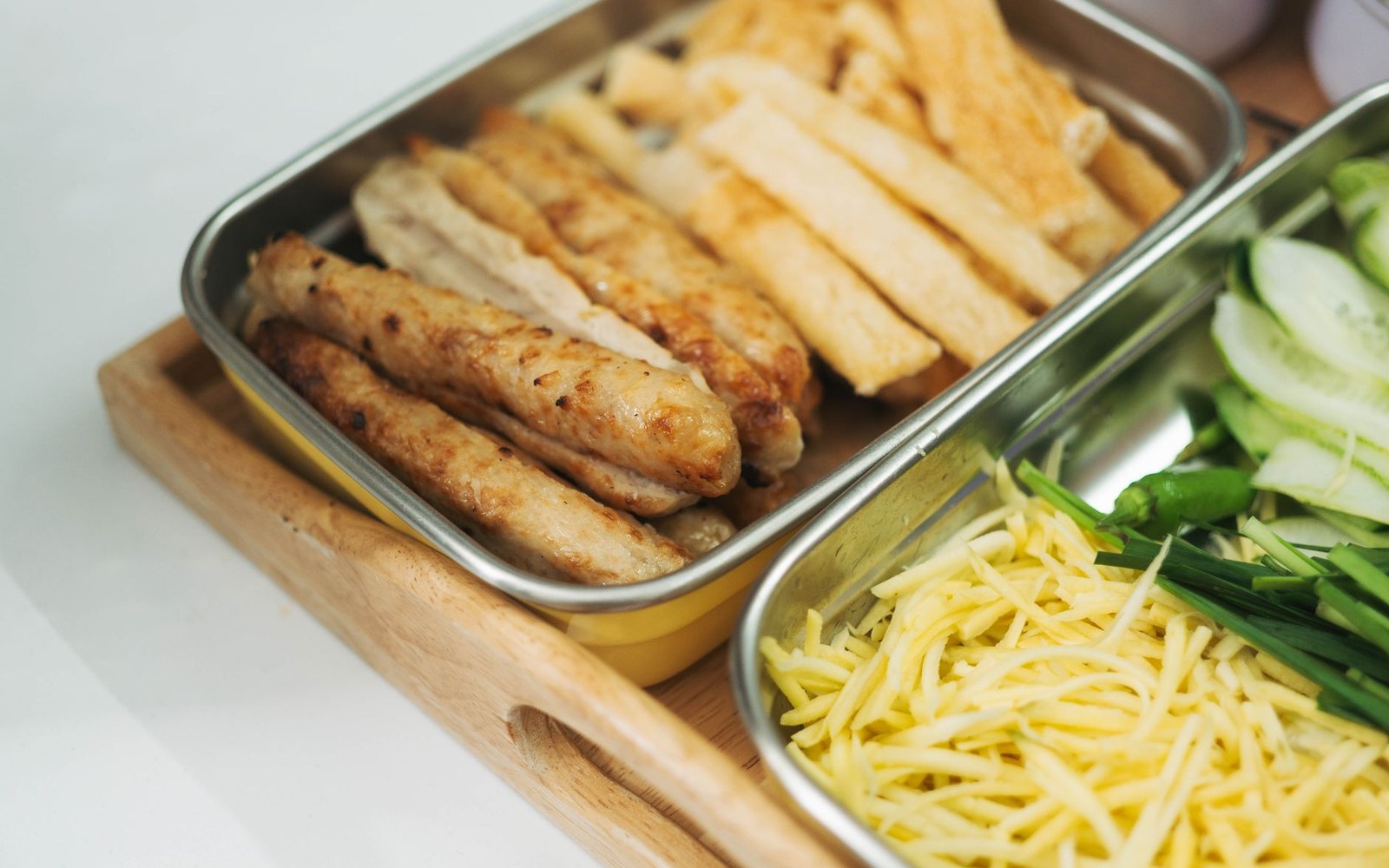
Nothing on a pass is weighed during service. Quantities are settled hours earlier, in containers, which is why a written ratio matters more than a written recipe.
Photo: FOX ^.ᆽ.^= ∫ / Pexels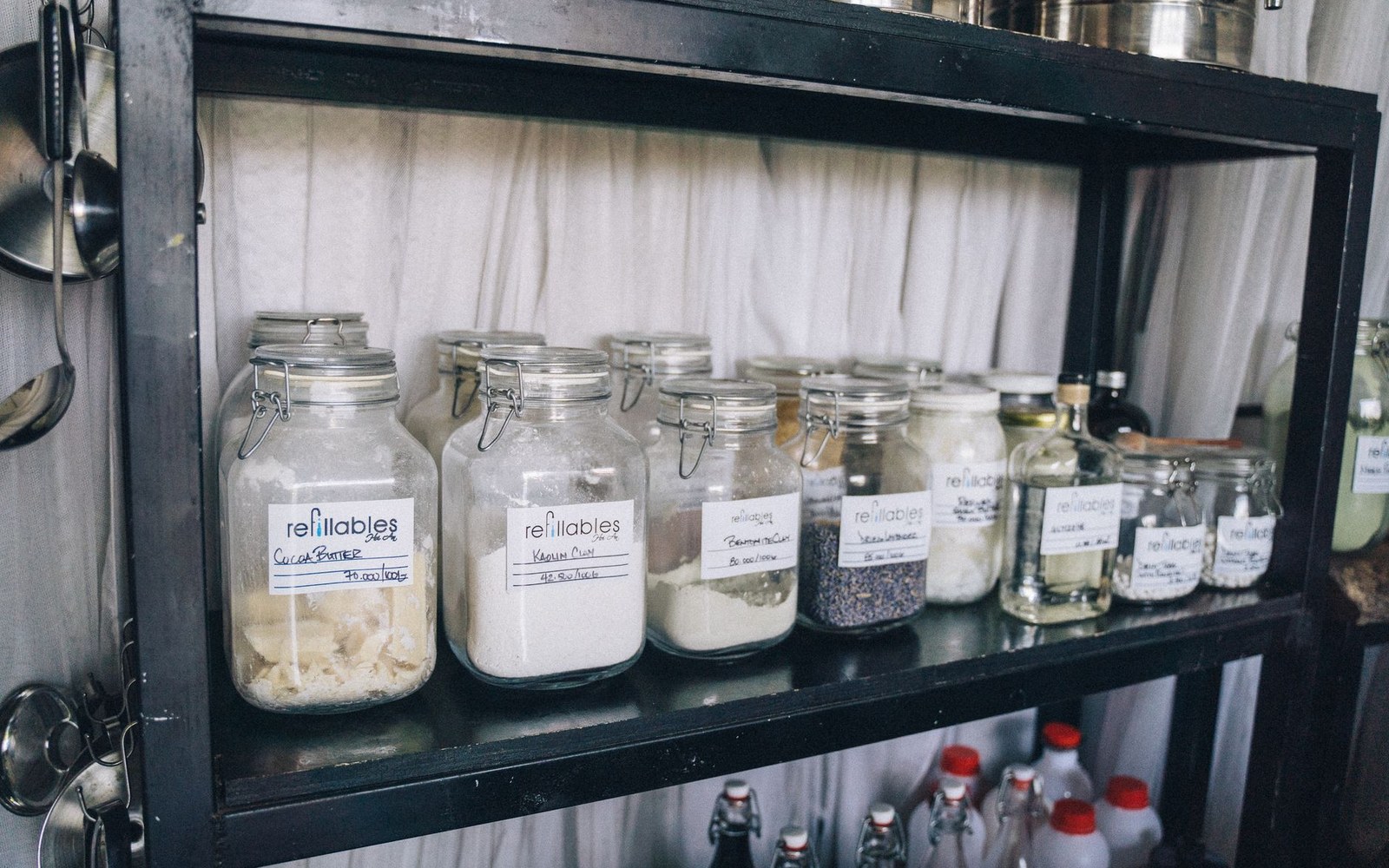
Cold storage is where most of a kitchen’s money sits. What is labelled, dated and used decides food cost more reliably than the menu price does.
Photo: Anna Tarazevich / PexelsHenderson's nose-to-tail argument was never sentimental. It is structural: the cheap parts of the animal are as interesting as the expensive ones, often more so, and a kitchen that ignores them is both wasteful and culinarily cowardly. Bone marrow costs almost nothing. It requires no skilled butchery, no sauce work, no reducing. What it requires is confidence in the idea.
What Constancy Actually Costs
That confidence has an economic logic running underneath it. Restaurant kitchens that work the whole animal lower their raw material costs meaningfully. Marrow bones, trotters, ox heart, tripe — none of these carry the price-per-kilo of a loin or a rack. St. JOHN's menu has always moved food cost percentage in a useful direction by treating offal as central rather than occasional. This is not a side effect of the philosophy; it is part of the same argument.
The kitchen's approach also requires a brigade trained to handle unfamiliar material confidently. Brains, chitterlings, bone marrow — these are not standard culinary school territory. St. JOHN has become its own training ground: a cohort of cooks who passed through its kitchen, including Huw Gott and others, have carried the method outward across London. The influence is diffuse and real.
What the marrow dish demonstrates, over three decades, is that constancy is a distinct kind of kitchen argument. Most restaurants signal ambition through change: seasonal menus, new techniques, collaboration dinners. St. JOHN signals it through refusal. The dish exists because Henderson decided it was correct, and no subsequent development in restaurant fashion — molecular gastronomy, the tasting-menu wave, New Nordic, hyper-seasonality — has altered his assessment.
The Room Holds
The Smithfield site is 120 covers across two floors, plus a bar. It runs a full à la carte service, which is economically harder than a fixed tasting menu at a defined price point. The covers have to turn, and the menu has to offer enough range that the room fills on a Tuesday as well as a Saturday. What it does not do is raise prices to communicate luxury. The marrow costs what it costs. The bread — white, dense, from the bakery St. JOHN opened in Spitalfields in 2003 — is plainly made and plainly priced.
The Michelin guide awarded St. JOHN a star in 2009 and retained it. That recognition confirmed what the restaurant's regulars already knew, but it has not pushed the kitchen toward refinement in the luxury-signal sense. The marrow still comes in the bone. The parsley is still dressed at the last moment. The toast is still the same bread.
Thirty years is a long argument. The dish is still being made.
The dish in numbers
- 01Roasting temperature: approximately 230 °C
- 02Roasting time: 12–15 minutes
- 03Opening year: 1994
- 04St. JOHN Smithfield covers: approximately 120 across two floors
- 05Michelin star awarded: 2009
- 06St. JOHN Spitalfields bakery opened: 2003