A Full Room, and Still Nothing Left at the End of the Month
Full occupancy is a necessary but not sufficient condition for survival — the arithmetic explains why.
The piece takes a notional 40-cover room and works through a realistic revenue-to-cost breakdown: food cost at 30%, wages at 35%, rent and service, leaving the margin that actually remains.
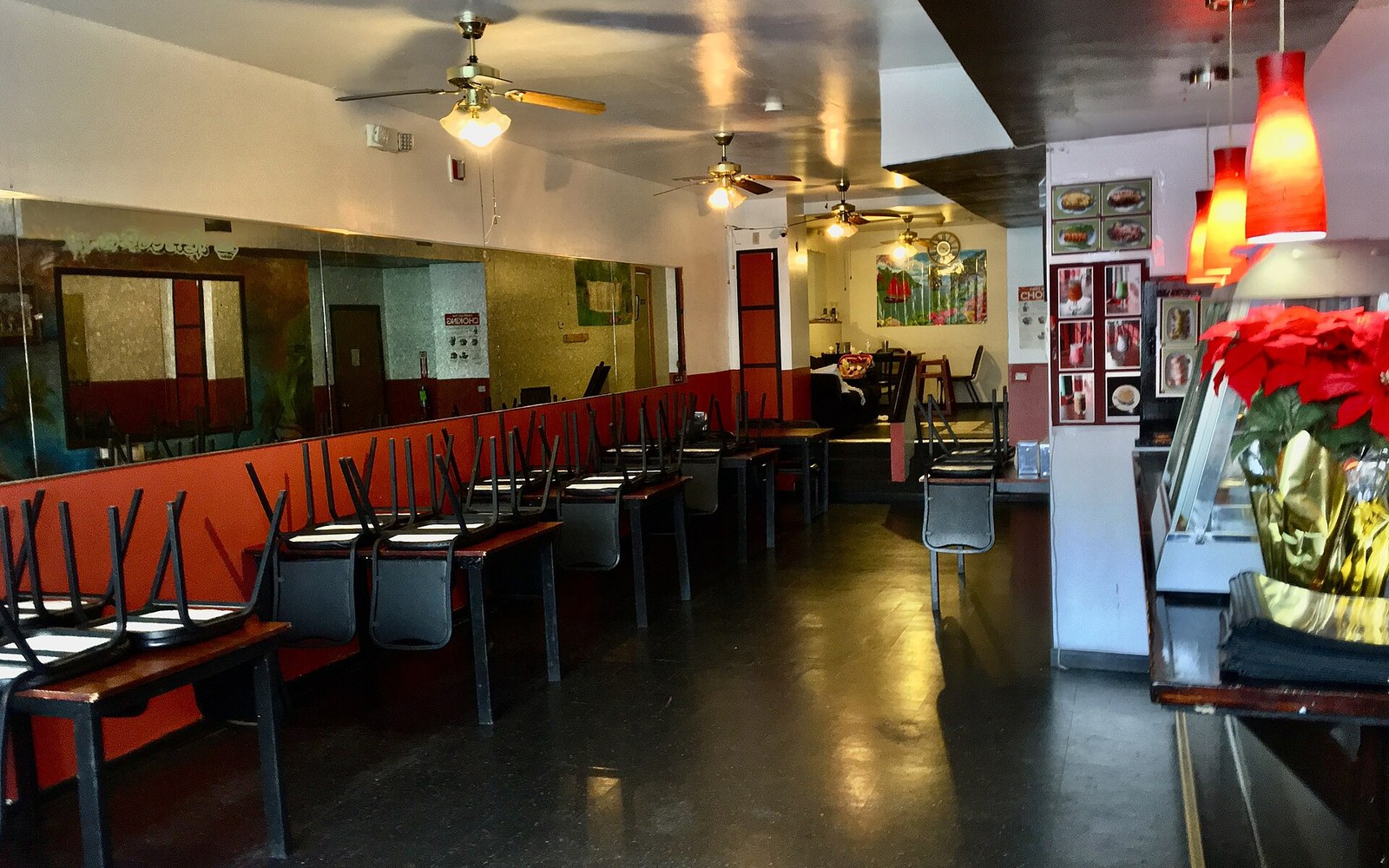
Photo: Empty dining room at Family Thai restaurant at the height of the COVID-19 pandemic, Buffalo, New York - 20200323 · Wikimedia CommonsWhat the Room Actually Earns
Take a 40-cover restaurant running two sittings a night, five nights a week — not an aggressive schedule, but a functioning one. At a modest average spend per head, that is roughly £260,000 in annual revenue, before a single cost is deducted. On paper, a working business. In practice, the number that matters is not the top line but what remains after the fixed costs have taken their share, in sequence.
Food cost goes first. The industry convention — and the food cost percentage most operators benchmark against — sits at 28–32 per cent of revenue. At 30 per cent, the kitchen is spending £78,000 a year on ingredients to produce £260,000 in sales. That figure assumes tight purchasing, reasonable supplier terms, and a menu engineered to balance high-margin dishes against the expensive proteins that anchor them. It also assumes negligible waste, which no real kitchen achieves. Drift to 34 per cent — through spoilage, a mis-ordered protein delivery, a supplier price increase on olive oil — and the annual ingredient bill rises by £10,400, silently.
A full room is a necessary condition and not a sufficient one. What the seats earn has to clear food cost, wages, rent and service before anything remains.
Photo: Szymon Shields / PexelsWages are the second and larger deduction. A 35 per cent labour cost on £260,000 is £91,000 — enough, in a lean operation, to pay a head chef, two cooks, a kitchen porter, a manager and part-time front-of-house. It is not enough to run a brigade in any classical sense, which is why the brigade de cuisine as Escoffier described it functions only at cover counts and price points far above this model. At 35 per cent, every absence, every overtime hour and every sick day is felt immediately. Many operators run closer to 38–40 per cent when National Living Wage increases are not offset by menu repricing, and the UK's Employment (Allocation of Tips) Act, which came into force on 1 October 2024, added administrative complexity to service-charge distribution without changing the underlying labour economics.
What Is Left, and Why It Disappears
Food and labour together consume 65 per cent of revenue — £169,000. That leaves £91,000 for everything else. Rent in a secondary London location for a room this size: conservatively £40,000–£55,000 per year before rates. Business rates on a small commercial premises in England are calculated against a rateable value set by the Valuation Office Agency, and on a site of this scale typically add £8,000–£15,000 annually. Add utilities, insurance, card-processing fees, accounting, licensing and equipment maintenance, and a realistic fixed-overhead figure runs to £70,000–£80,000 per year in a city market. The margin remaining — before the owner takes any salary, before a broken combi-oven, before a bad February — is between £11,000 and £21,000.
On £260,000 of revenue. With 80 covers out the door five nights a week.
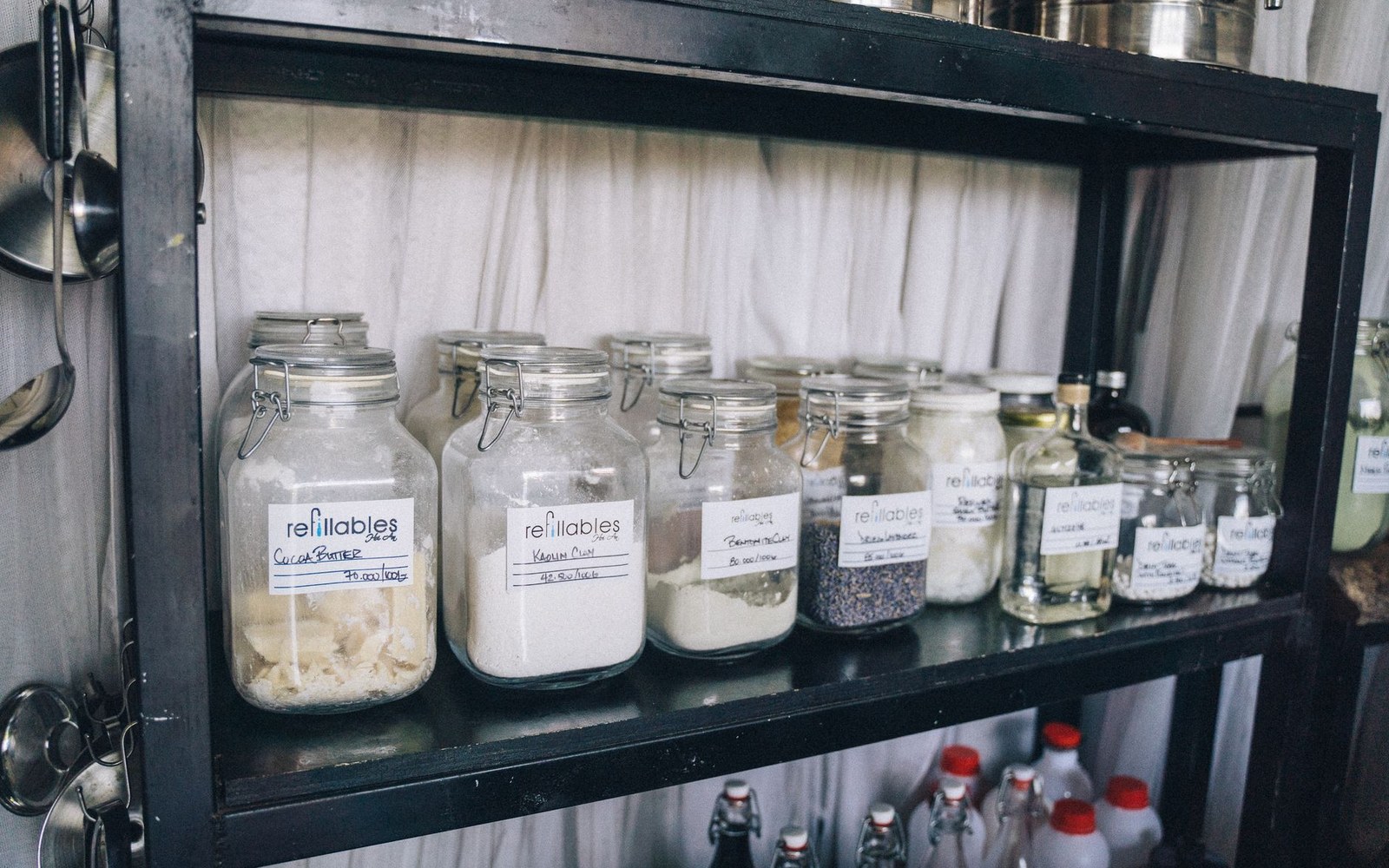
Cold storage is where most of a kitchen’s money sits. What is labelled, dated and used decides food cost more reliably than the menu price does.
Photo: Anna Tarazevich / PexelsThe arithmetic is not an anomaly; it is the structure of the business. It explains why restaurants operate on net margins that most industries would find unacceptable — typically 3–9 per cent for a well-run independent, and often less. It explains why a tasting menu with a high fixed cover price and a small brigade changes the model: raising average spend to £120 per head on 30 covers produces similar revenue with a cheaper room and lower front-of-house cost. It explains why delivery platform commissions of 25–35 per cent are structurally devastating: they effectively replace a restaurant's food cost percentage with itself plus the commission, collapsing the margin to near zero before a cook has been paid.
The 40-cover room in this model is not mismanaged. It is not under-priced by a wide margin. It is full. And the end of the month still arrives with almost nothing in the account. Survival requires either volume the room cannot physically produce, a price point the market may not accept, or costs cut below the level that sustains a competent kitchen. Most restaurants try all three simultaneously. Few hold the line on all of them for long.
The numbers at a glance
- 01Annual revenue (40 covers, 2 sittings, 5 nights, £65 average spend) — £260,000
- 02Food cost at 30% — £78,000
- 03Labour cost at 35% — £91,000
- 04Combined food + labour — £169,000 (65% of revenue)
- 05Remaining after food and labour — £91,000
- 06Estimated fixed overheads (rent, rates, utilities, misc.) — £70,000–£80,000
- 07Net margin before owner salary or contingency — £11,000–£21,000