Escoffier Put Five Men on a Sauce
The brigade de cuisine was designed for rooms that no longer exist. Most kitchens running at the same level today do it with a fraction of the headcount.

The brigade de cuisine as Escoffier described it in Le Guide Culinaire (1903) — saucier, poissonnier, entremetier, garde-manger, pâtissier — and a comparison with how many people most rooms running at that level use today.
Photo: Escoffier Guide culinaire 1903 tp · Wikimedia CommonsWhat the System Was Built For
Auguste Escoffier's Le Guide Culinaire, published in 1903, codified a division of labour that had been accumulating in grand hotel kitchens for decades. The brigade de cuisine divided the kitchen into stations, each commanded by a chef de partie and staffed by commis below him: the saucier managed hot sauces and sautéed meat; the poissonnier handled fish; the entremetier ran vegetables, eggs and soups; the garde-manger controlled cold preparation and butchery; the pâtissier ran a room that was often physically separate. At the Savoy and the Carlton — where Escoffier worked — a single service might draw on forty or fifty cooks. The sauce section alone could carry five people on a normal night.
The logic was sound for the context. Kitchens in 1903 had no blast chillers, no induction, no circulator baths, no pre-portioned supply chains. Stocks ran continuously. Sauces were built from scratch every service. A sauce espagnole required days of accumulated reduction; a velouté demanded a clean, well-managed fond. The labour was not theatrical — it was functional, and the headcount was a direct response to what the cooking actually required.
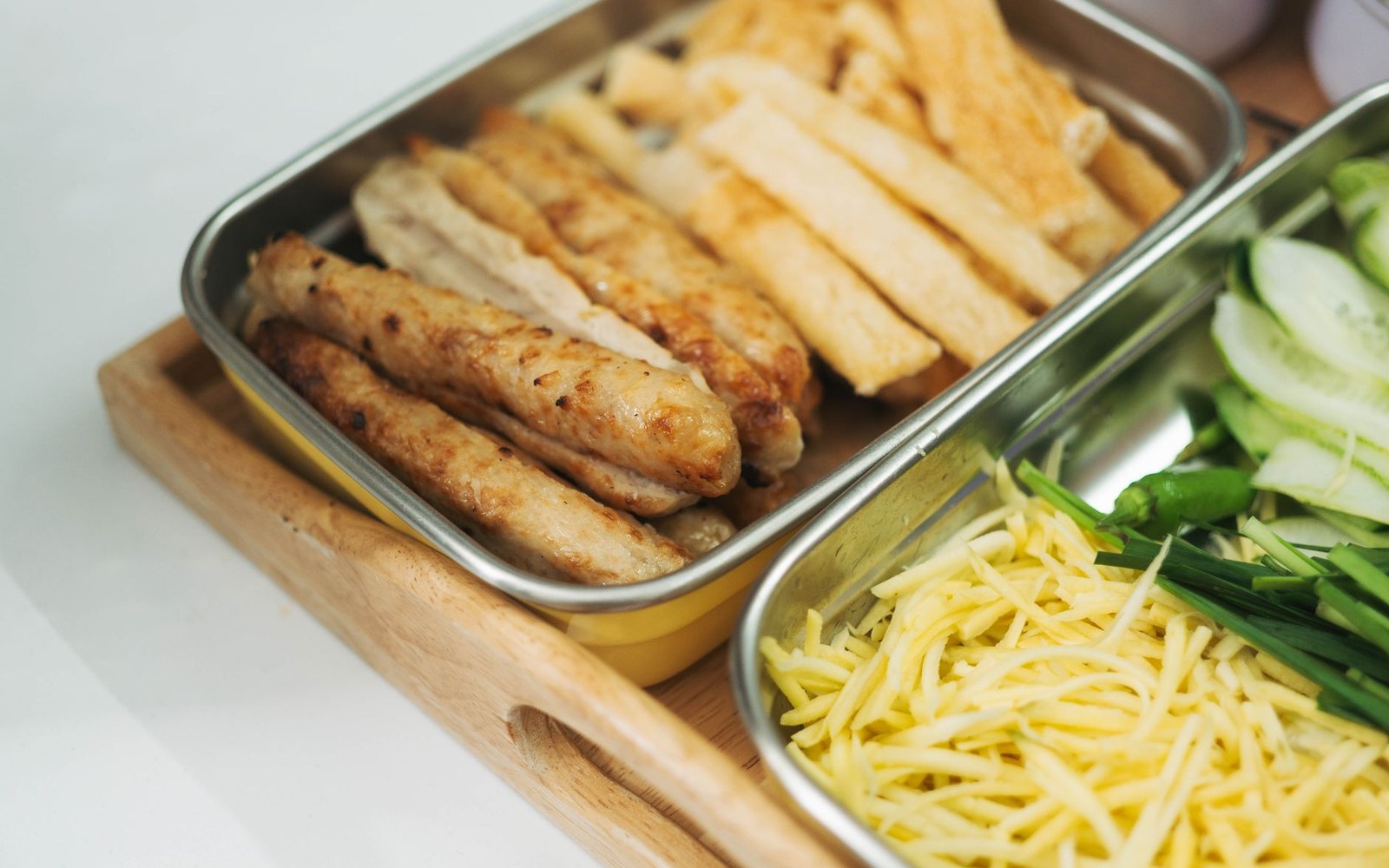
Nothing on a pass is weighed during service. Quantities are settled hours earlier, in containers, which is why a written ratio matters more than a written recipe.
Photo: FOX ^.ᆽ.^= ∫ / PexelsWhat Most Rooms Run Today
Strip away the history and what remains is a staffing formula that most contemporary kitchens running at equivalent quality cannot afford to replicate. A 40-cover room in London or Paris paying a serious price per head — the tier at which the brigade model was designed to operate — now typically runs a brigade of eight to twelve total, across every station. The saucier's role is often absorbed by a chef de partie who also covers grill. The poissonnier and entremetier positions, in most independent restaurants, do not exist by name: a single cook moves between fish and vegetables through the service. The economics of this kind of room are unambiguous — food cost percentage is targeted at 28–32%, and labour is the lever that either keeps the room solvent or destroys it.
Noma in Copenhagen, before its closure as a nightly restaurant at the end of 2024, ran a kitchen with a large brigade relative to its cover count — but it also ran a stagier programme that provided skilled, unpaid labour, a model now under legal scrutiny in several jurisdictions. Disfrutar in Barcelona, operated by Oriol Castro, Eduard Xatruch and Mateu Casañas, produces technically complex multi-course work with a brigade sized for a room of under fifty covers — a practical compression of the Escoffier model, not an abandonment of its underlying principle.
The principle — specialisation by station, clear hierarchy, mise en place as discipline — survives intact. The headcount does not. What Escoffier described as a minimum functional unit, a skilled kitchen now treats as a maximum aspiration.
The Before-and-After Argument
The reorganisation is not a loss of rigour. It is a reassignment of it. A contemporary saucier who also covers grill carries more technical range than the 1903 equivalent who ran a single station. The compression demands it. Where Escoffier's system insulated cooks from adjacent demands, modern brigade structure requires fluency across them. A cook who cannot move from a beurre blanc to a resting piece of meat and back without losing either has no place in a kitchen of this size.
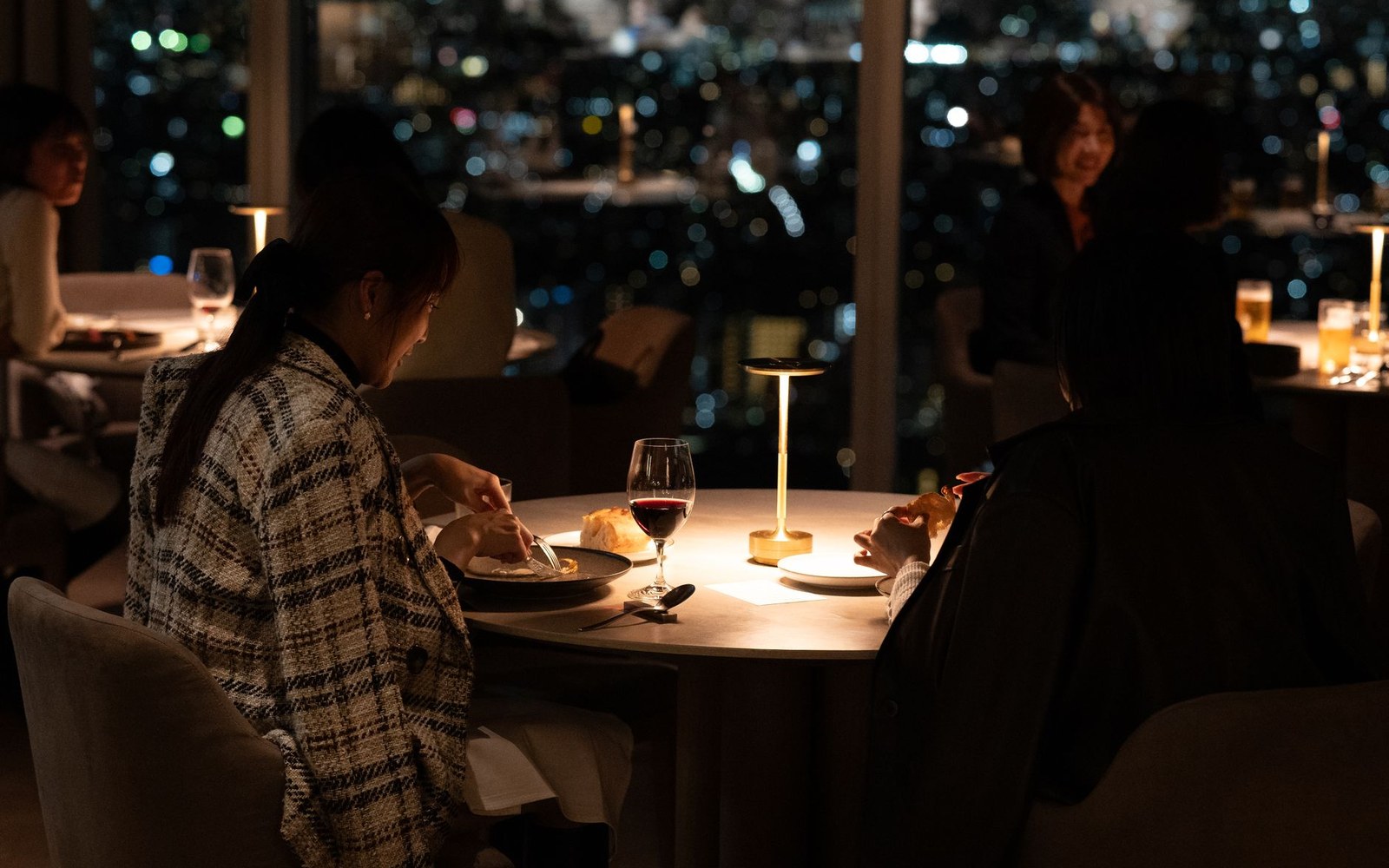
A full room is a necessary condition and not a sufficient one. What the seats earn has to clear food cost, wages, rent and service before anything remains.
Photo: Szymon Shields / PexelsThe number Escoffier put on a sauce station reflects a specific economic and technological moment: coal ranges, no mechanical refrigeration, no pre-processed supply, and the willingness of hotel groups to absorb labour costs that would bankrupt an independent restaurant inside a year. What the 1903 model described as five men on a sauce, a well-run contemporary kitchen manages through emulsion stability and timing — not additional headcount.
The brigade did not become obsolete. It became expensive in a way that only very few rooms can sustain. Everyone else does the same cooking with fewer people and calls it Tuesday.
Key numbers
- 011903 — publication year of Le Guide Culinaire
- 0240–50 cooks — approximate brigade size at the Savoy or Carlton under Escoffier
- 038–12 — typical total brigade in a contemporary 40-cover serious independent
- 0428–32% — conventional food cost percentage target
- 05Under 50 — cover count at Disfrutar, Barcelona