Massimo Bottura Opened a Refettorio and Called It Food for Soul
A non-profit that routes surplus restaurant-industry food through designed dining rooms attached to social institutions — and treats kitchen waste as a sourcing problem, not a charity gesture.
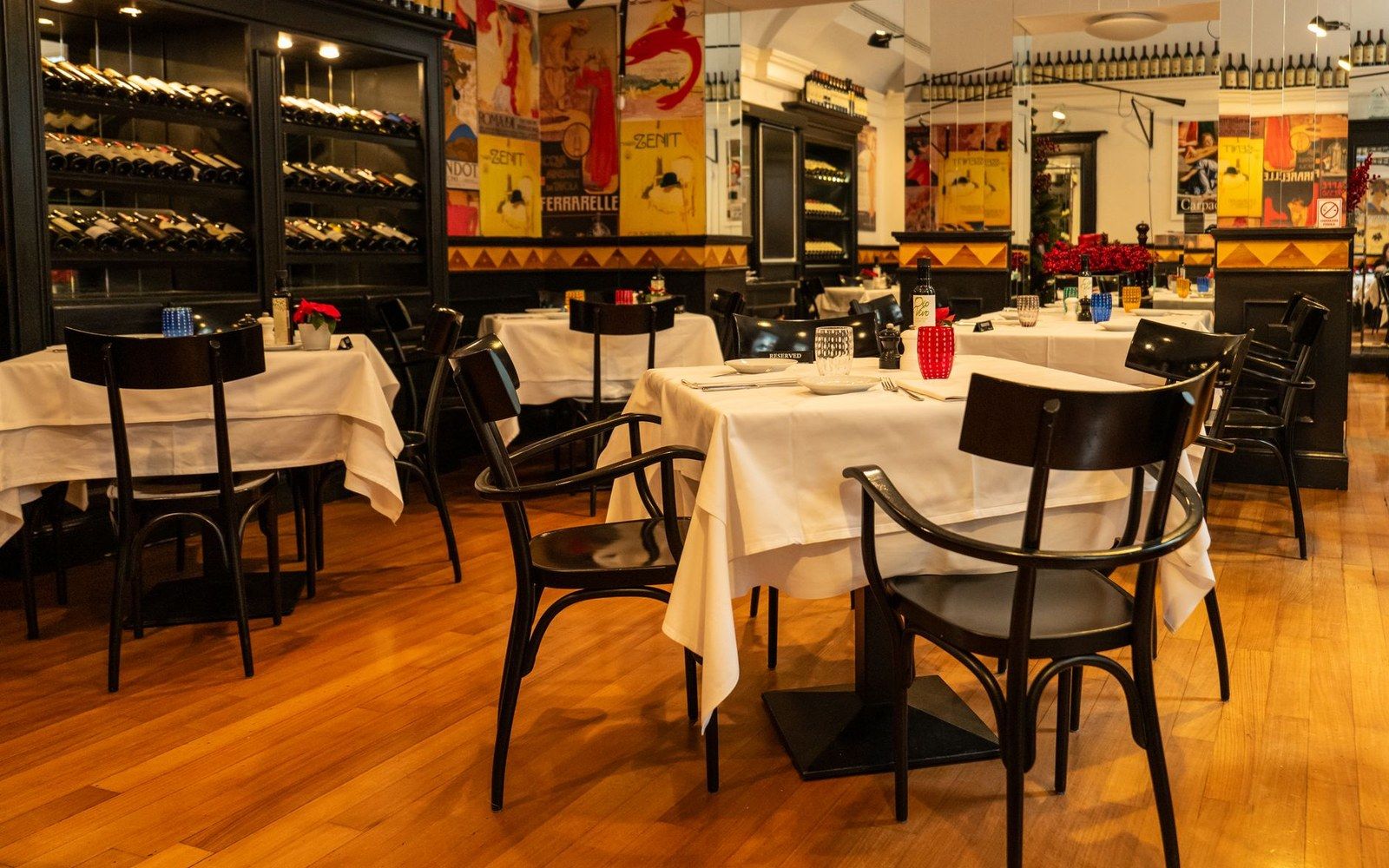
Food for Soul, the non-profit Bottura founded in 2016, turns surplus restaurant-industry food into meals in refettorios attached to social institutions.
Photo: Vladimir Srajber / PexelsThe Operational Model
Food for Soul is not a food bank. Massimo Bottura and Lara Gilmore founded it in Milan in 2016, staging the first refettorio — the name draws on the Latin refectorium, a monastic dining hall — during Expo Milano 2015, when surplus food from the expo's pavilions was redirected into meals for people experiencing homelessness. That proof-of-concept hardened into a permanent structure.
The model has three working parts. First, food donation: restaurants, producers, supermarkets and event caterers identify surplus before it reaches a skip. The surplus is perishable — vegetables past their retail window, bread from the previous day, protein trim — and is collected on a schedule tight enough that cold-chain integrity is maintained. Second, a professional kitchen staffed partly by volunteer chefs, many of them from the world's top kitchens, who rotate through the refettorio and cook what arrives. Third, a designed dining room: every refettorio has been commissioned with serious architecture and art, on the argument that environment is part of the meal and that dignity is not a luxury add-on.
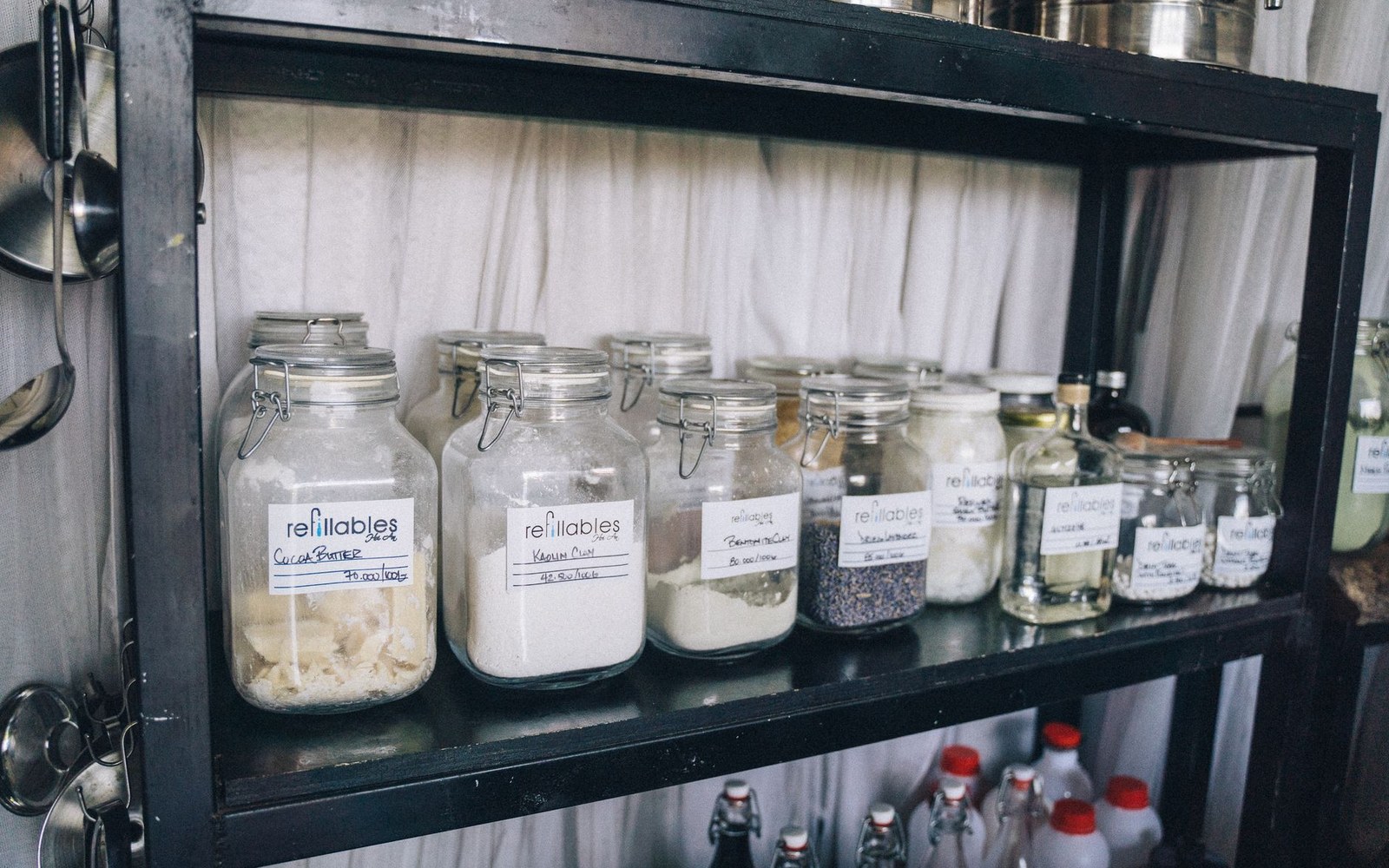
Cold storage is where most of a kitchen’s money sits. What is labelled, dated and used decides food cost more reliably than the menu price does.
Photo: Anna Tarazevich / Pexels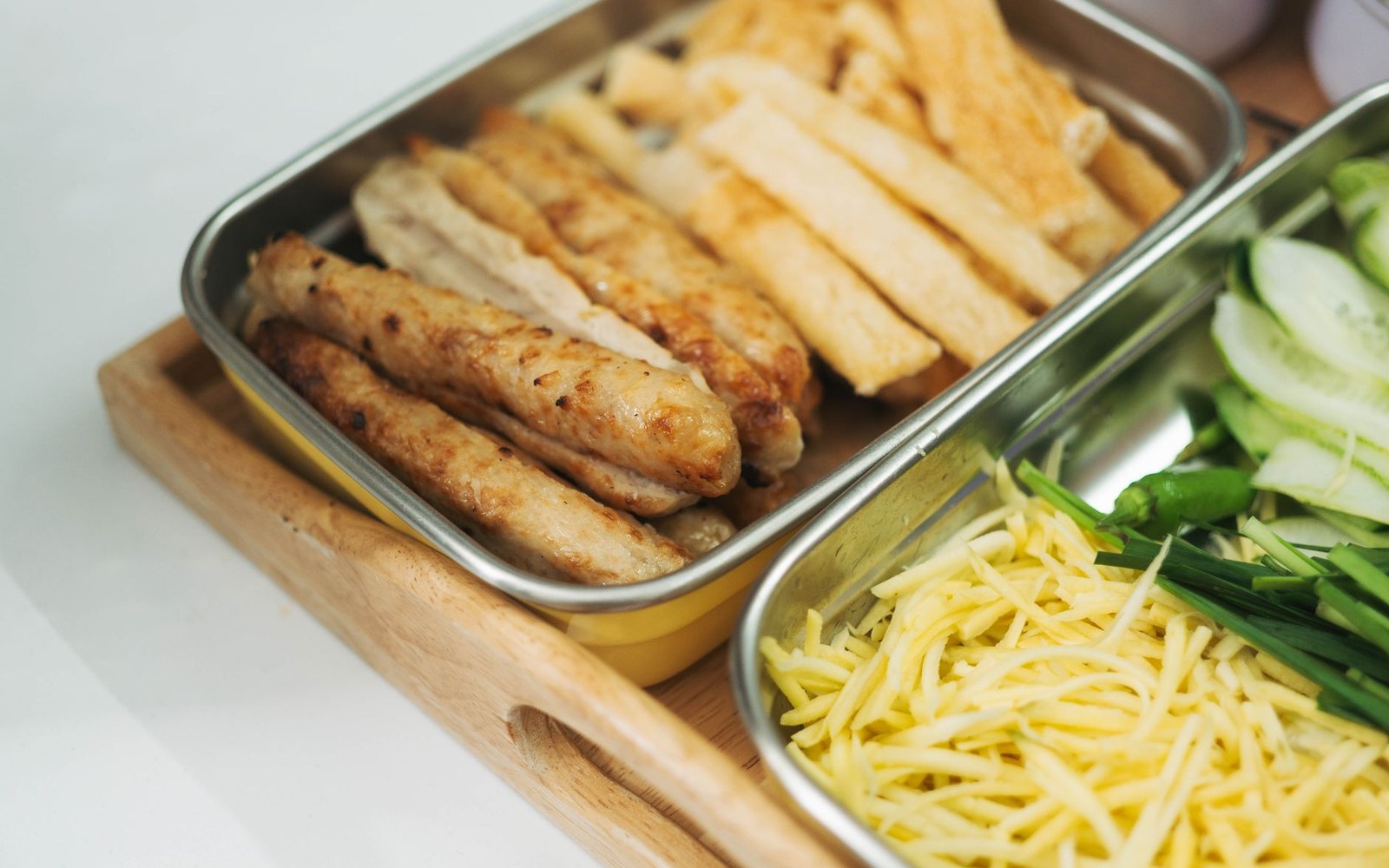
Nothing on a pass is weighed during service. Quantities are settled hours earlier, in containers, which is why a written ratio matters more than a written recipe.
Photo: FOX ^.ᆽ.^= ∫ / PexelsBy the mid-2020s, Food for Soul had opened or supported refettorios in Milan, Bologna, London, Paris, Rio de Janeiro, Naples and elsewhere, each embedded in a social institution — a church, a shelter, a community centre — that manages the guest relationship. The non-profit does not run the buildings; it provides the model, the kitchen equipment, the design brief and the chef network.
The food cost calculation is structurally inverted from a restaurant's. Where a conventional full-service kitchen targets 28–32 per cent food cost against revenue, a refettorio operates on donated or near-zero-cost ingredients and grant funding. The pressure shifts entirely to logistics: coordinating donation streams so that a cook arrives to something coherent rather than a random pile of food requires active supply-chain management, not passive receipt.
Volunteer chefs — including cooks from Osteria Francescana's brigade and visiting internationals — treat the incoming surplus as a constraint-based mise en place. What arrives determines the menu; the skill is in reading the material and building a composed dish from it, which is closer to garde-manger discipline than to à la carte service. The UN Food and Agriculture Organization estimates that roughly a third of all food produced globally is lost or wasted; Food for Soul works at the narrow end of that problem — not the farm gate, but the plate that still gets made.
How the model works
- 01Refettorio — Latin-derived term for a communal dining hall; used by Food for Soul to name each location
- 02Surplus sourcing — perishable donations from restaurants, caterers, supermarkets collected on a cold-chain schedule
- 03Volunteer brigade — rotating professional chefs cook what arrives; no fixed menu
- 04Embedded model — each site sits inside a host social institution; Food for Soul provides model and equipment, not management