The Brigade
The people who changed how kitchens are organised and what they decided to cook.
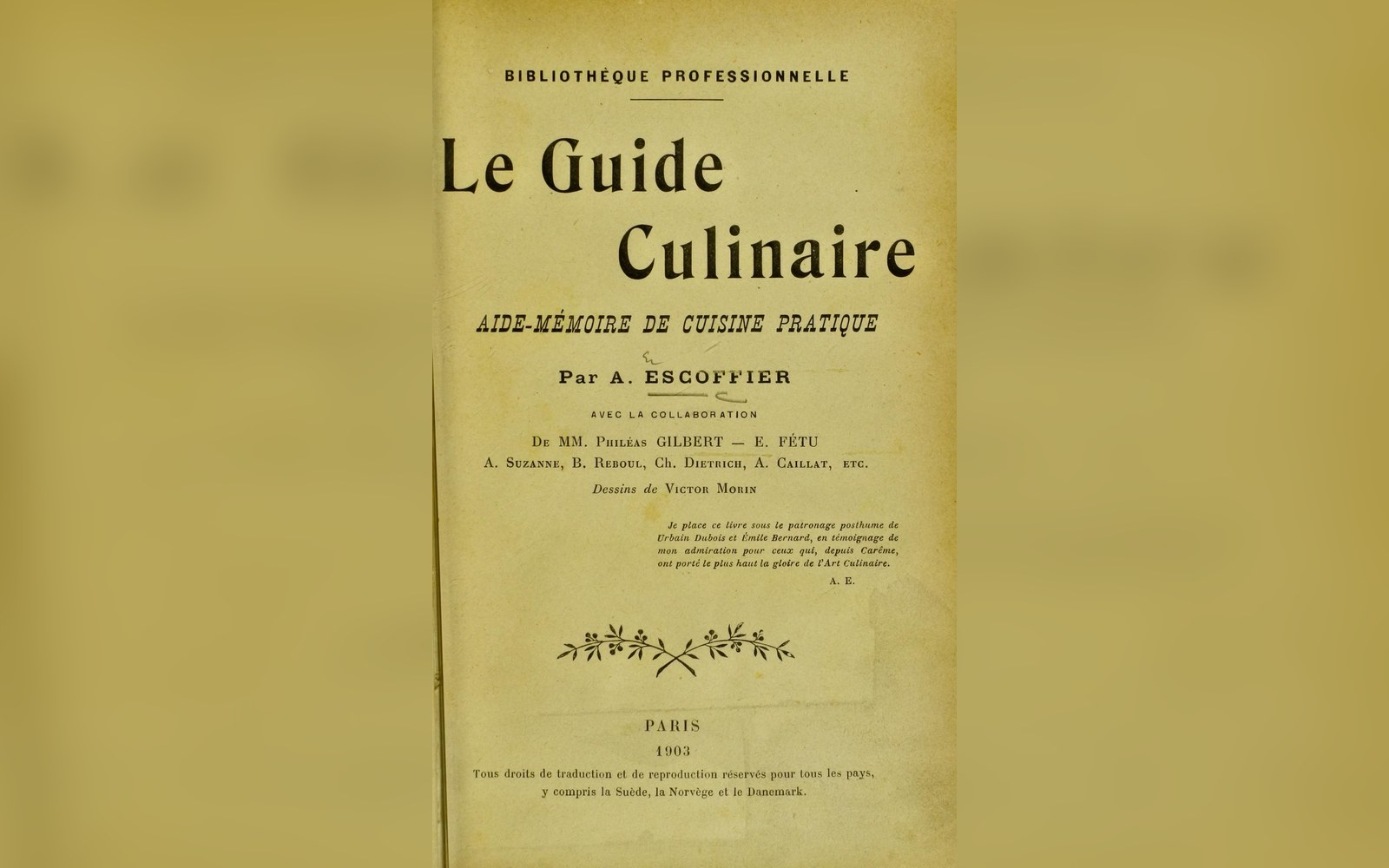
Escoffier Put Five Men on a Sauce
The brigade de cuisine as Escoffier described it in Le Guide Culinaire (1903) — saucier, poissonnier, entremetier, garde-manger, pâtissier — and a comparison with how many people most rooms running at that level use today. The piece is a before-and-after argument, not a history.
-
 02
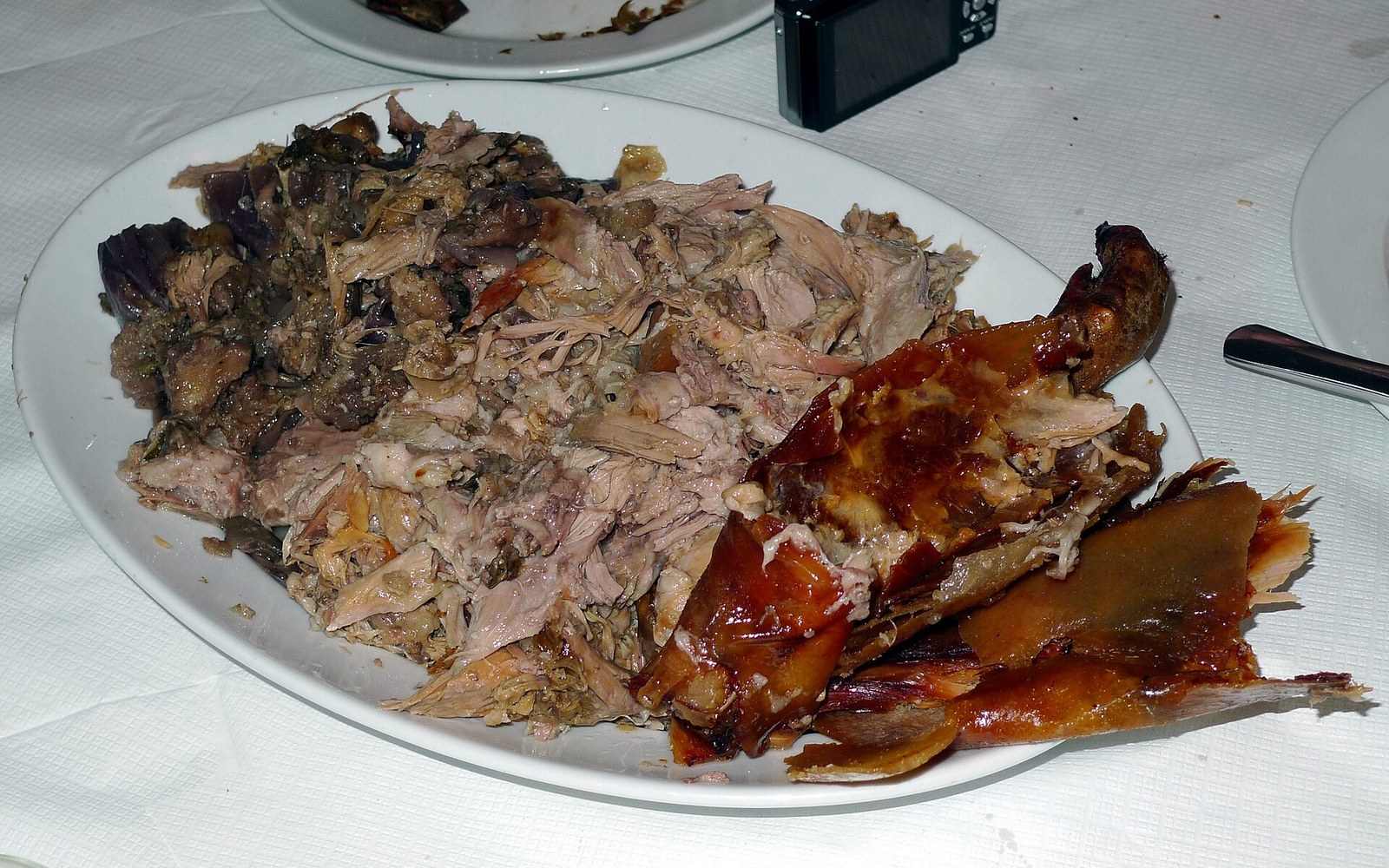
02Fergus Henderson Made the Cheap Parts Central
Henderson's nose-to-tail argument as a culinary position: what it meant to put bone marrow, tripe and pig's head at the centre of a menu in 1994, and how St. JOHN's economics depend on the same logic as its cooking philosophy. Short, pointed, no biography.
-
 03
03Alice Waters Named the Farms and Rewrote the Order Form
Waters's sourcing practice at Chez Panisse — named growers, daily-changing single-page menus, no produce held over — as an operational decision as much as a philosophical one. Covers the supply-side consequences of cooking to what is available rather than to a fixed menu.
-
 04
04Massimo Bottura Opened a Refettorio and Called It Food for Soul
Food for Soul, the non-profit Bottura founded in 2016, turns surplus restaurant-industry food into meals in refettorios attached to social institutions. The piece covers the operational model — which kitchens donate, how the surplus is moved, what the refettorio serves — rather than the biography.
-
 05
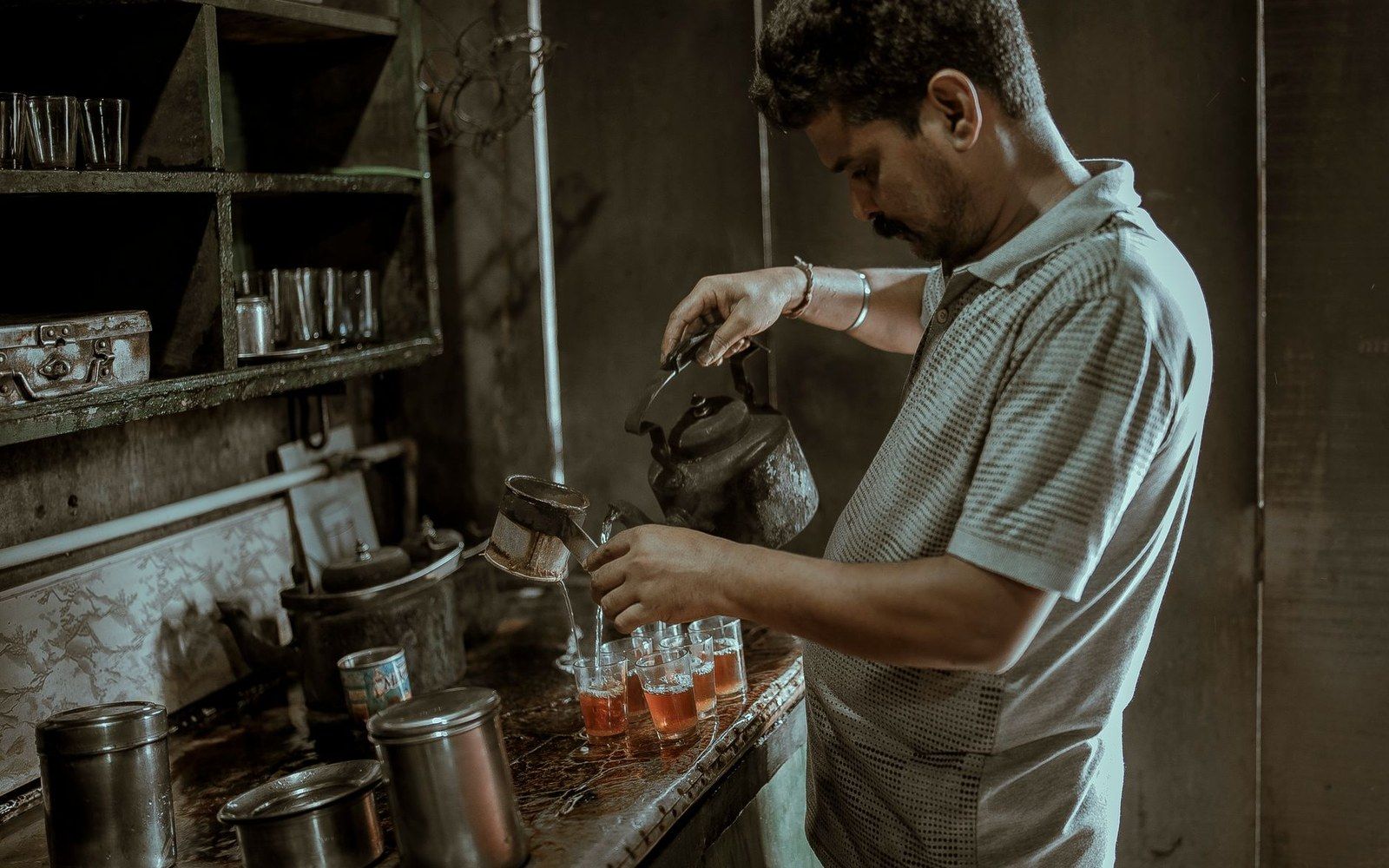
05Asma Khan Staffed Her Kitchen with People Who Had Never Worked in One
Khan's Darjeeling Express in London was built on a brigade of second-generation Indian women with no professional kitchen background. The piece examines what that staffing decision produced — in terms of menu, kitchen culture and the economics of a room that does not run on the standard brigade model.