Asma Khan Staffed Her Kitchen with People Who Had Never Worked in One
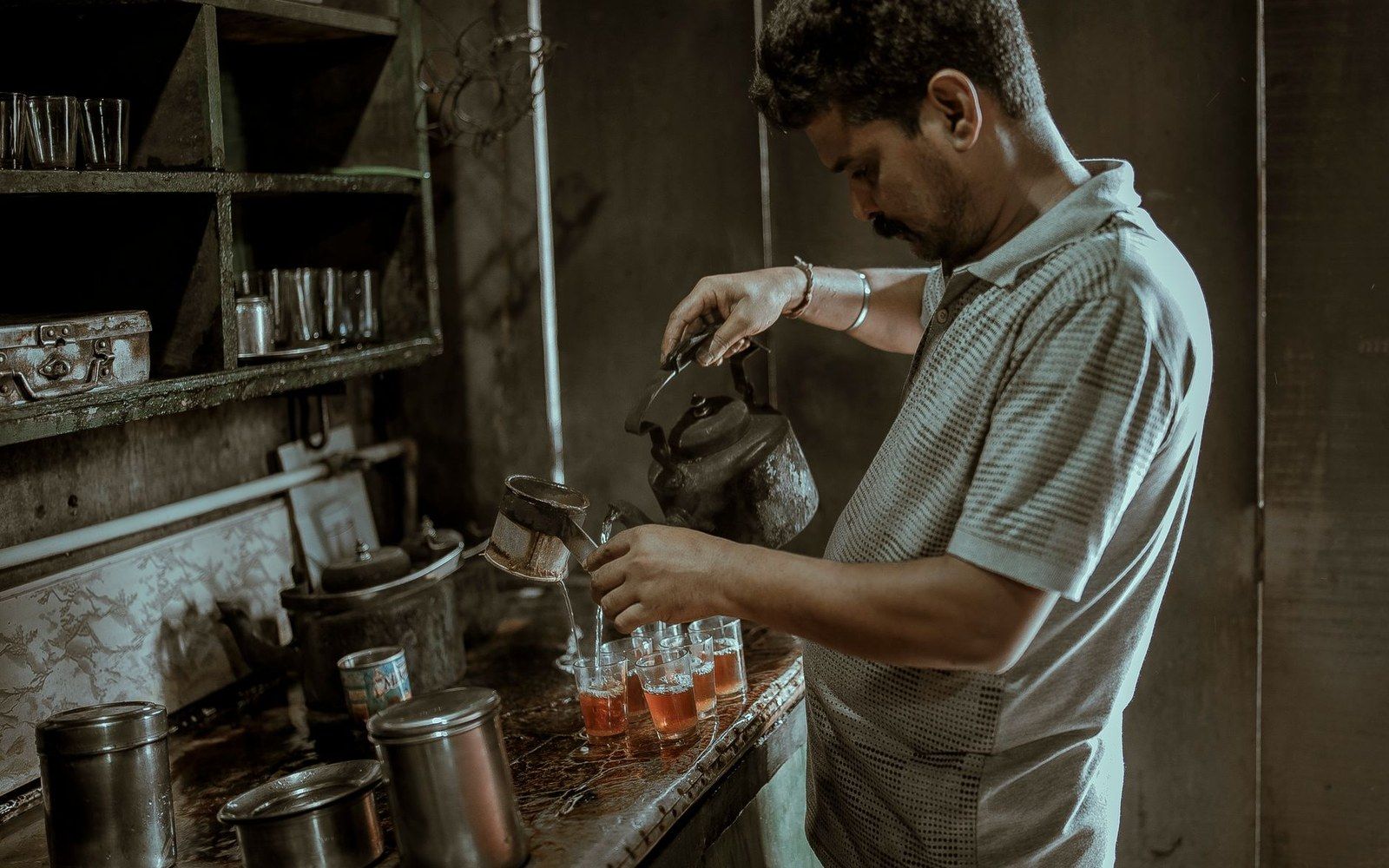
Khan's Darjeeling Express in London was built on a brigade of second-generation Indian women with no professional kitchen background.
Photo: anil kumar / PexelsDarjeeling Express runs on a brigade that Escoffier never imagined — and the food is better for it.
The Decision
When Asma Khan opened Darjeeling Express in London's Soho, she did not hire from the standard pool of culinary school graduates or career line cooks. She built her kitchen around second-generation Indian women — most of them mothers, most of them with no professional kitchen experience at all. The decision looked unconventional. It was also structurally deliberate.
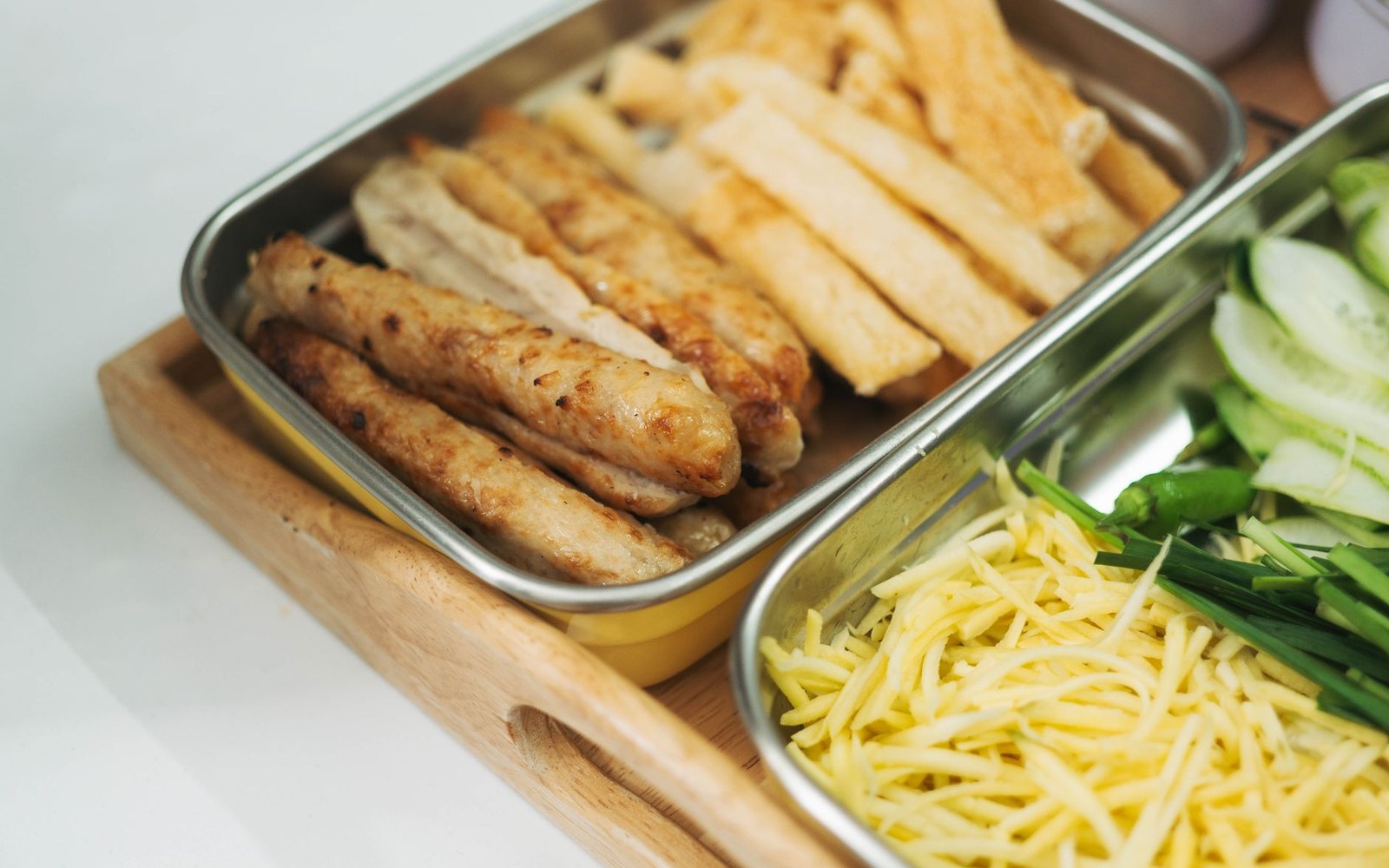
Nothing on a pass is weighed during service. Quantities are settled hours earlier, in containers, which is why a written ratio matters more than a written recipe.
Photo: FOX ^.ᆽ.^= ∫ / Pexels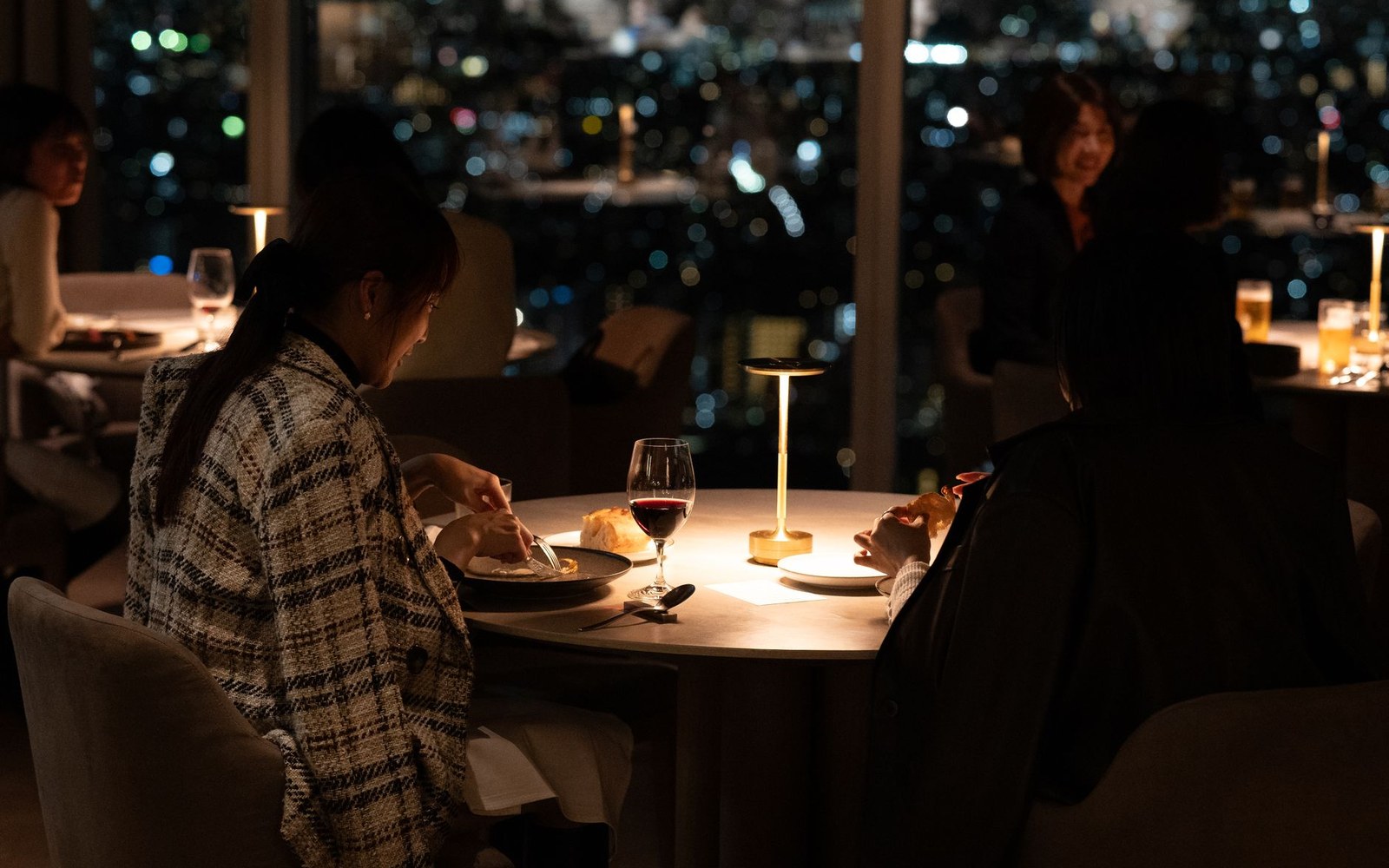
A full room is a necessary condition and not a sufficient one. What the seats earn has to clear food cost, wages, rent and service before anything remains.
Photo: Szymon Shields / PexelsThe logic was straightforward: these were women who had spent years cooking Indian food at the scale and complexity required to feed extended families, with no template except memory and repetition. That knowledge — of layered spice sequencing, of instinctive heat management over a tawa, of the timing required to build a proper bhuna — is not taught in professional kitchens in Britain. It is carried. Khan understood that hiring people who already held the technique meant she was not training from zero; she was formalising something that already existed.
What It Produces
The brigade de cuisine as Auguste Escoffier codified it in 1903 divides labour by station and ranks it by seniority — saucier, poissonnier, garde-manger, each with defined scope. That hierarchy assumes a European classical framework. It also assumes a particular kind of professional formation: culinary school, apprenticeship, years of staged progression through ranked kitchens. Darjeeling Express discards that formation entirely. The kitchen does not run on station logic. It runs on dish logic — who knows how to make this thing correctly.
The menu reflects the brigade's actual knowledge base rather than what a trained brigade could be instructed to produce. Dishes like the slow-cooked nihari, the dum pukht-style biryanis cooked sealed in dough-lidded pots, and the chutneys ground fresh each service are home-cook techniques at restaurant scale — methods that require intuition built over years rather than a procedure written on a laminated card. The precision is real; it is just not the kind that shows up in a classical kitchen notebook.
This produces a different kind of consistency. Classical brigade training standardises by enforcing identical procedure regardless of who executes it. At Darjeeling Express, consistency comes from the cooks' ownership of the dish — they are not executing someone else's recipe but reproducing something they already understand in their bodies. The failure mode is also different: the risk is not that a cook follows the procedure incorrectly, but that a cook is absent and the knowledge walks out with her.
The Economics
A kitchen staffed by people who are not paid at the top of the London chef market carries lower labour costs per head than a brigade of senior professionals. That matters in a room of Darjeeling Express's size, where food cost percentage and covers-per-service constrain every decision. The trade-off is rigidity: a classical brigade can absorb a new menu section through training; this kitchen scales through the specific people who are already there.
Khan has been public about the fact that Darjeeling Express functions as more than a restaurant — it is an employment structure designed to create economic independence for women who might not access conventional hospitality careers. That is a social aim running inside a commercial operation, which affects how the kitchen is managed, how hours are structured, and how the room is priced. The World's 50 Best Restaurants community took notice; so did Netflix's Chef's Table, which brought the kitchen international attention in 2019.
The result is a restaurant that cannot be replicated by copying its menu. The food is specific to the people who make it, which is either a structural vulnerability or the whole point — depending on whether you think a kitchen's value lies in its reproducibility or in what it actually knows.
Kitchen model
- 01Brigade de cuisine — Escoffier's hierarchical station system, codified 1903; Darjeeling Express does not follow it
- 02Dish logic vs. station logic — organising a kitchen around who owns a dish rather than who holds a station
- 03Dum pukht — slow-cooking method inside a sealed vessel, often with a dough lid (luted lid); requires learned instinct over precise timing
- 04Tawa — flat or slightly concave iron griddle central to North Indian cooking; heat management over it is a practised skill
- 05Nihari — slow-cooked meat stew, traditionally an overnight cook; requires sustained, low heat and spice layering