Everything on the site
All 28 pieces, grouped by desk. Each one is a worked method, a named kitchen, a person, a cost, or an ingredient with a number attached to it.
Method & Fire
Where the site cooks — braises, doughs, ferments and butchery, written as quantities and timings rather than description.
-
 01
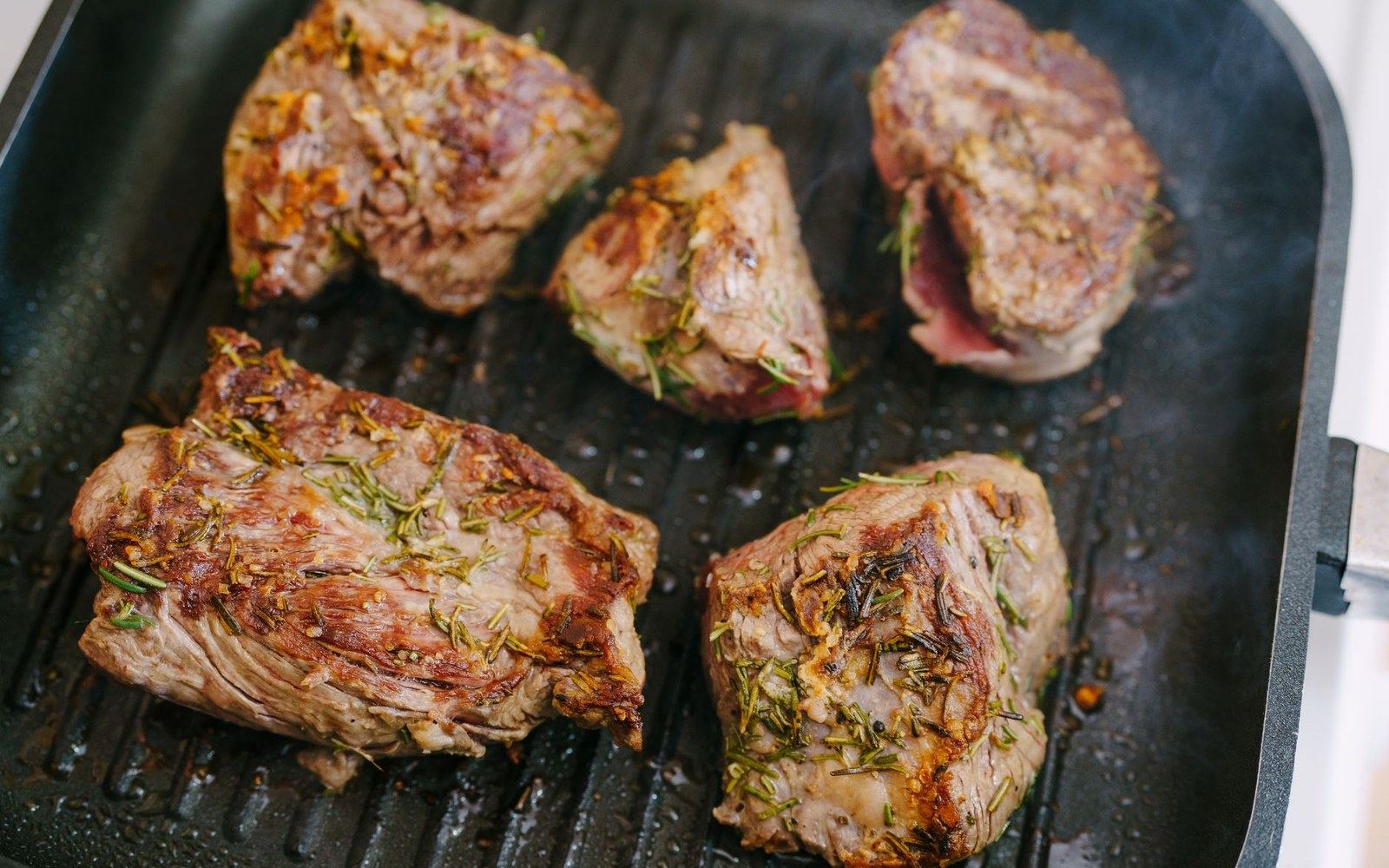
01A Shoulder of Lamb, Nine Hours, 120 °C
A complete braising method for lamb shoulder: salt at 1.5% the day before, brown properly, seal with two-thirds stock, 120 °C for nine hours. The piece argues that collagen conversion, not tenderness alone, is what the low temperature is for.
-
 02
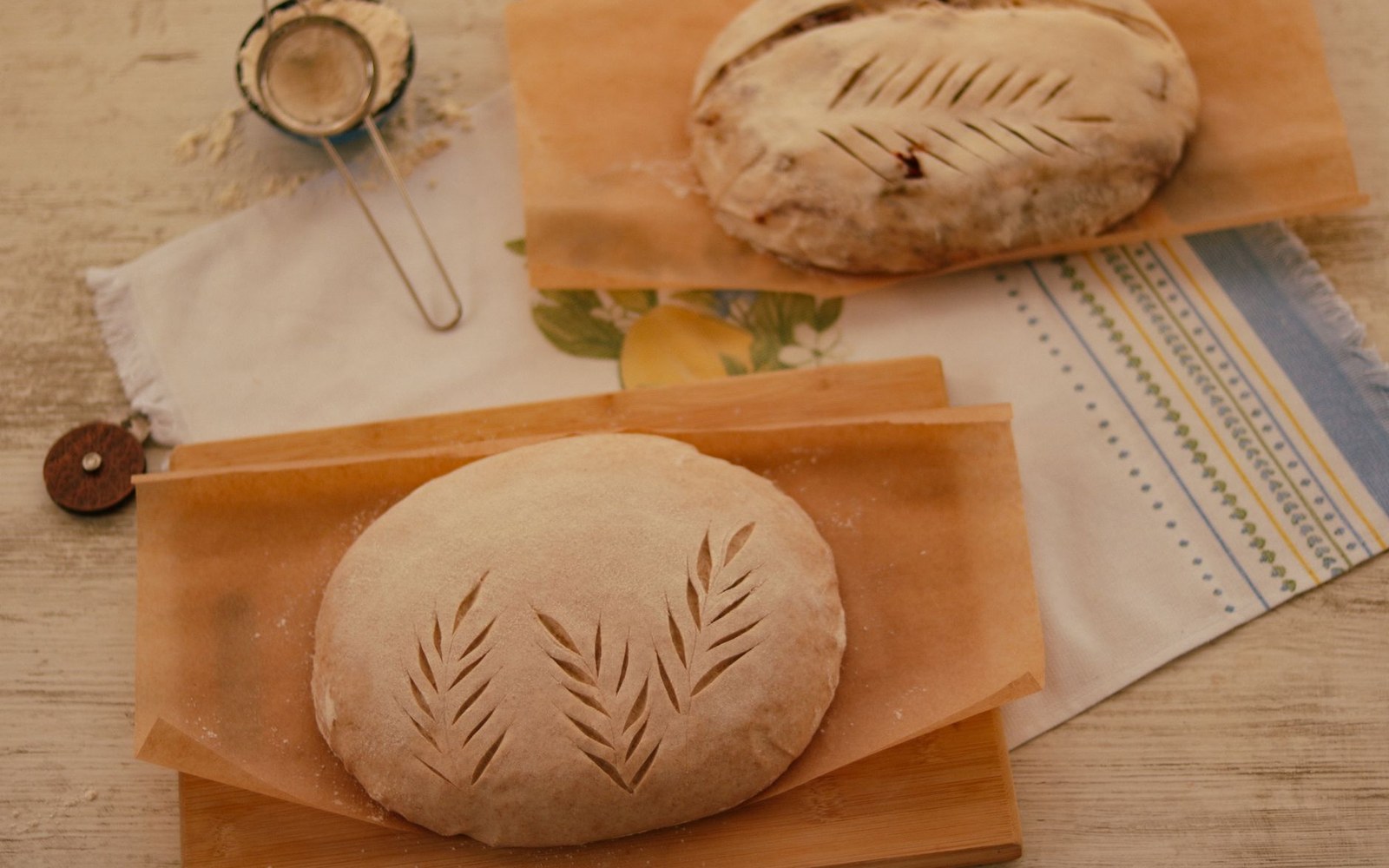
02Seventy-Five Per Cent Water and a Levain Twelve Hours Old
A worked bread method: 500 g flour, 375 g water, 100 g levain, 10 g salt, bulk four hours at 26 °C, cold overnight, baked into 250 °C dropping to 230 °C after steam. Covers why hydration percentage changes the crumb rather than just the dough feel.
-
 03
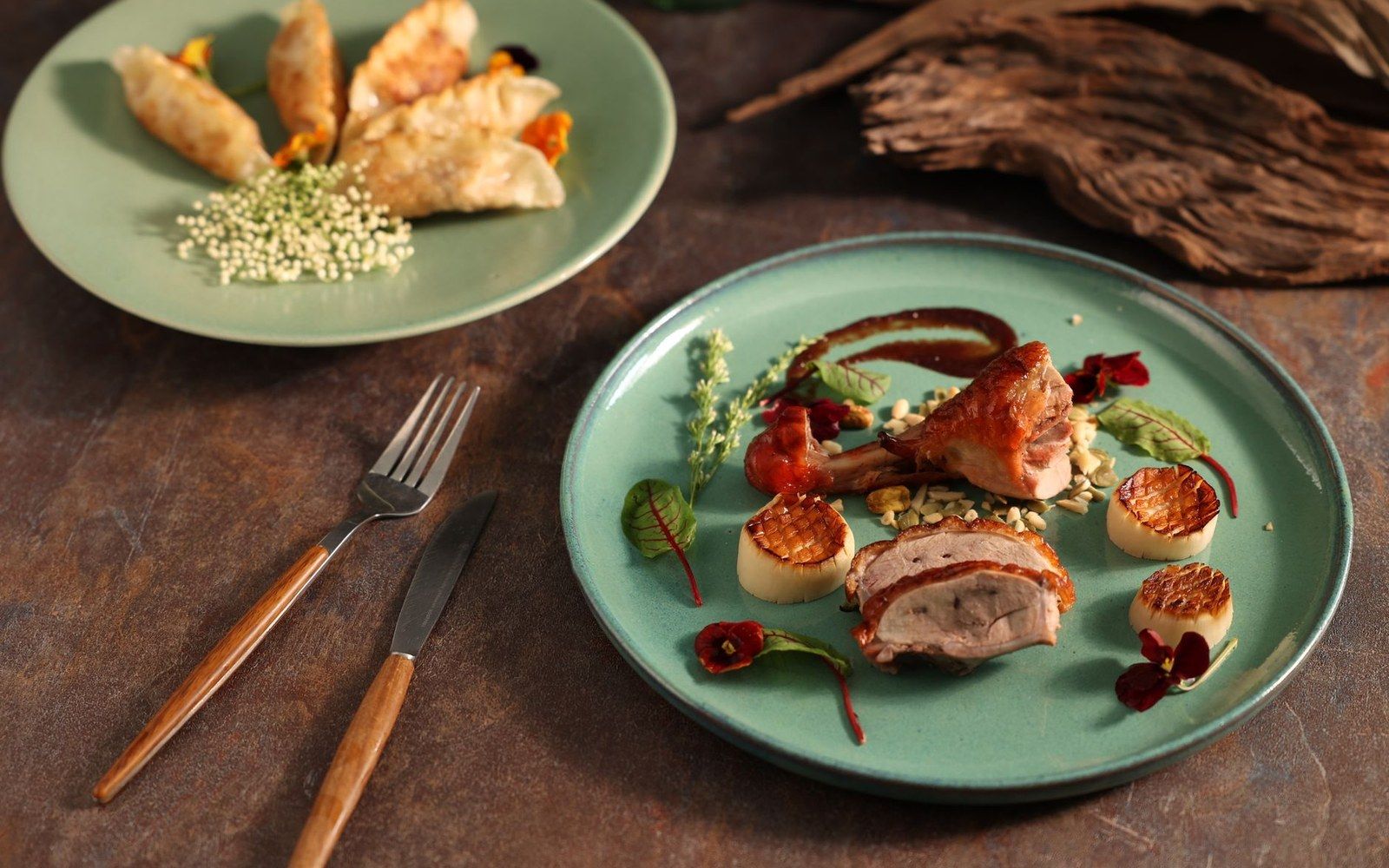
03Duck Legs, Salted for a Day, Then Six Hours at 85 °C
The confit method written as a sequence: what the fat is actually doing (heat transfer, not flavour alone), why 85 °C is the number, and how long a sealed jar of finished confit will keep in a cold room.
-
 04
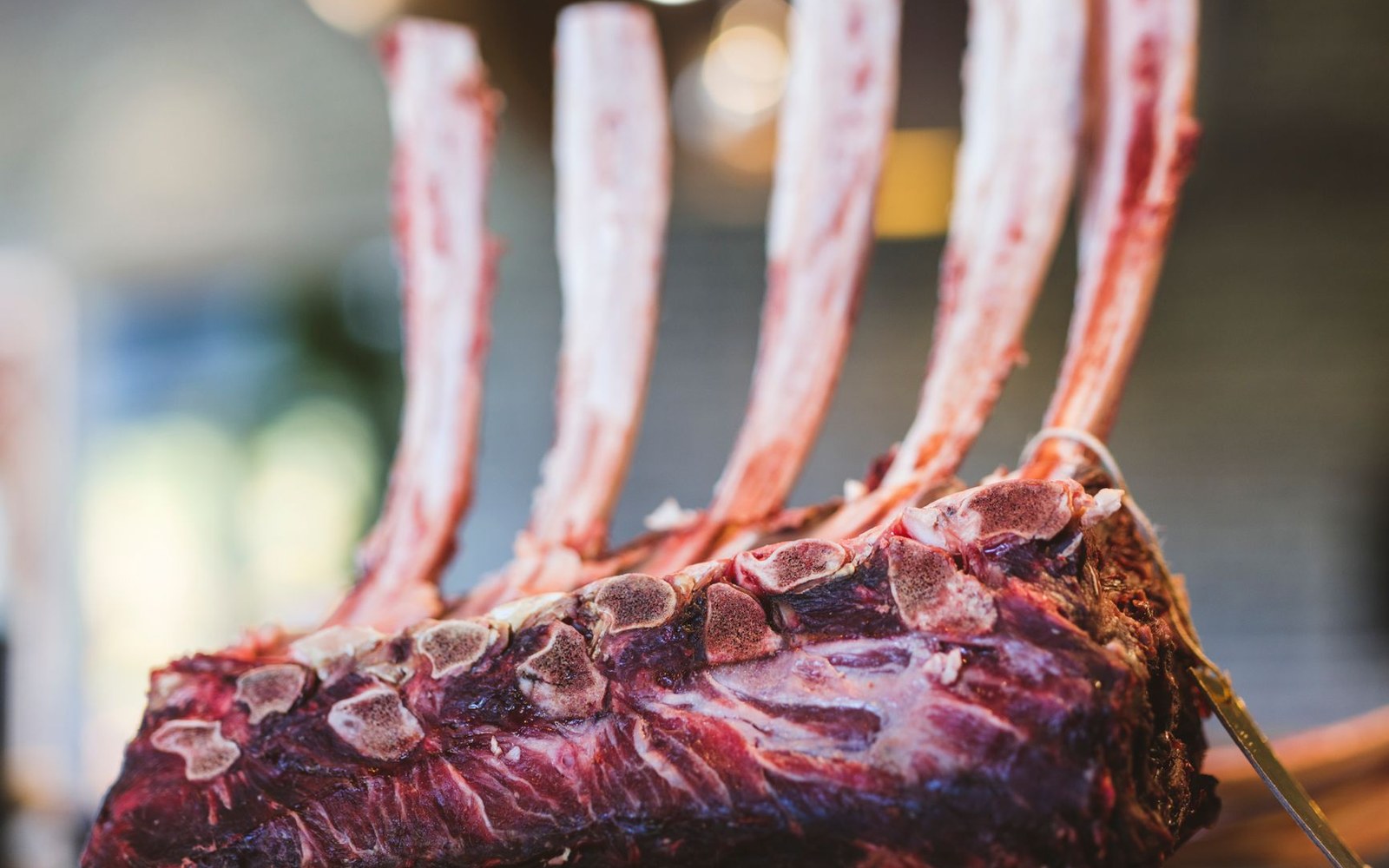
04Boning Out a Shoulder in Four Cuts
A butchery walk-through with four numbered cuts, keyed to inline SVG diagrams using the same numeral system as the rest of the site. The piece covers where the blade sits relative to the bone and why the knife follows the bone rather than the muscle.
-
 05
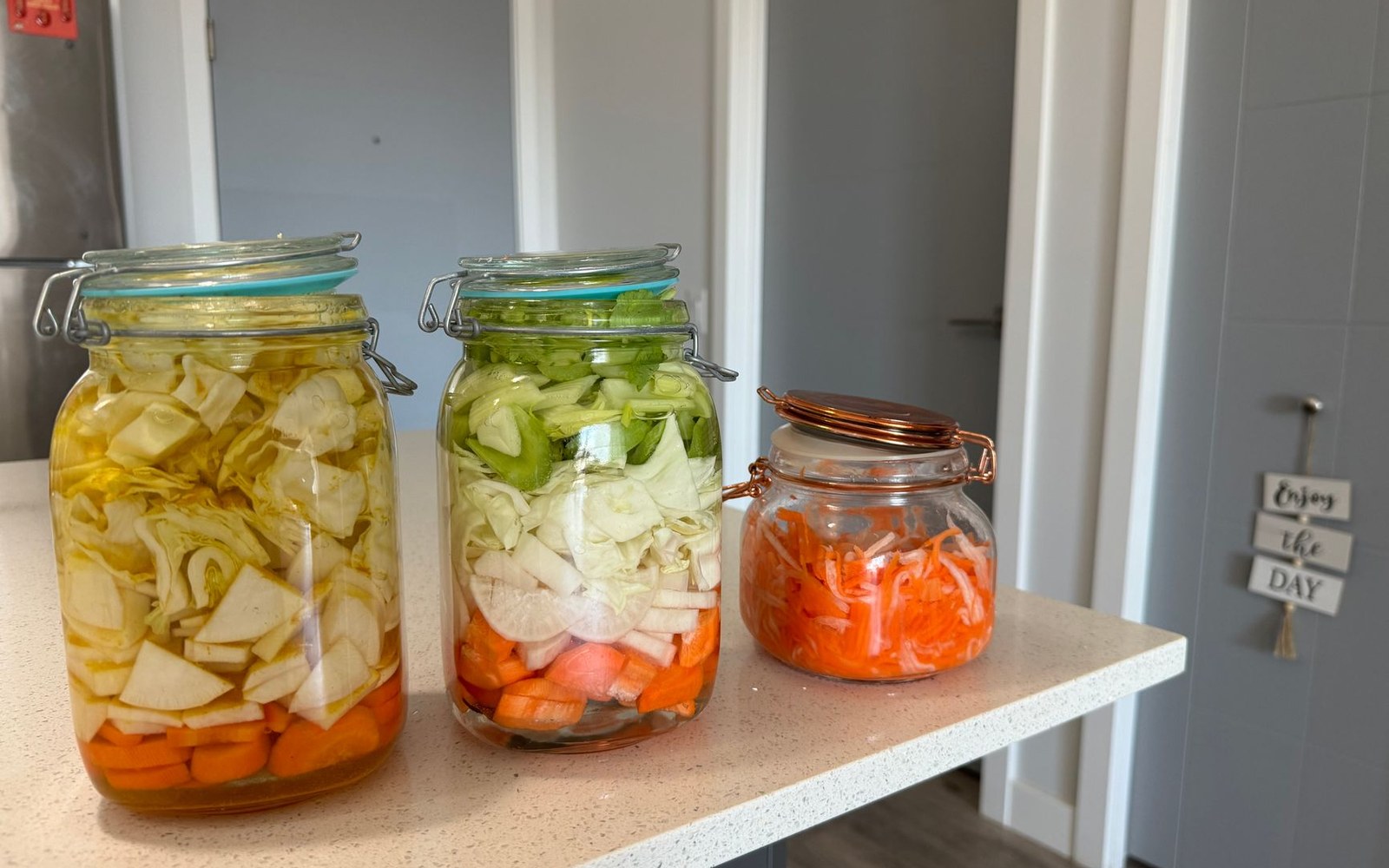
05A Five Per Cent Brine, Two Days at 18 °C
Pickling ratios explained through a single worked example — a five per cent brine at room temperature — then extended to vinegar-based quick pickles and lacto-fermented vegetables. Shows how the ratio changes what the finished pickle can do.
-
 06
06White and Brown Are the Same Bones Treated Differently
An argument for keeping both stocks: why a white stock is specified in a nine-hour braise even though brown stock would seem more obvious, and what colour the finished sauce becomes either way. Covers roasting, blanching, and reduction.
-
 07
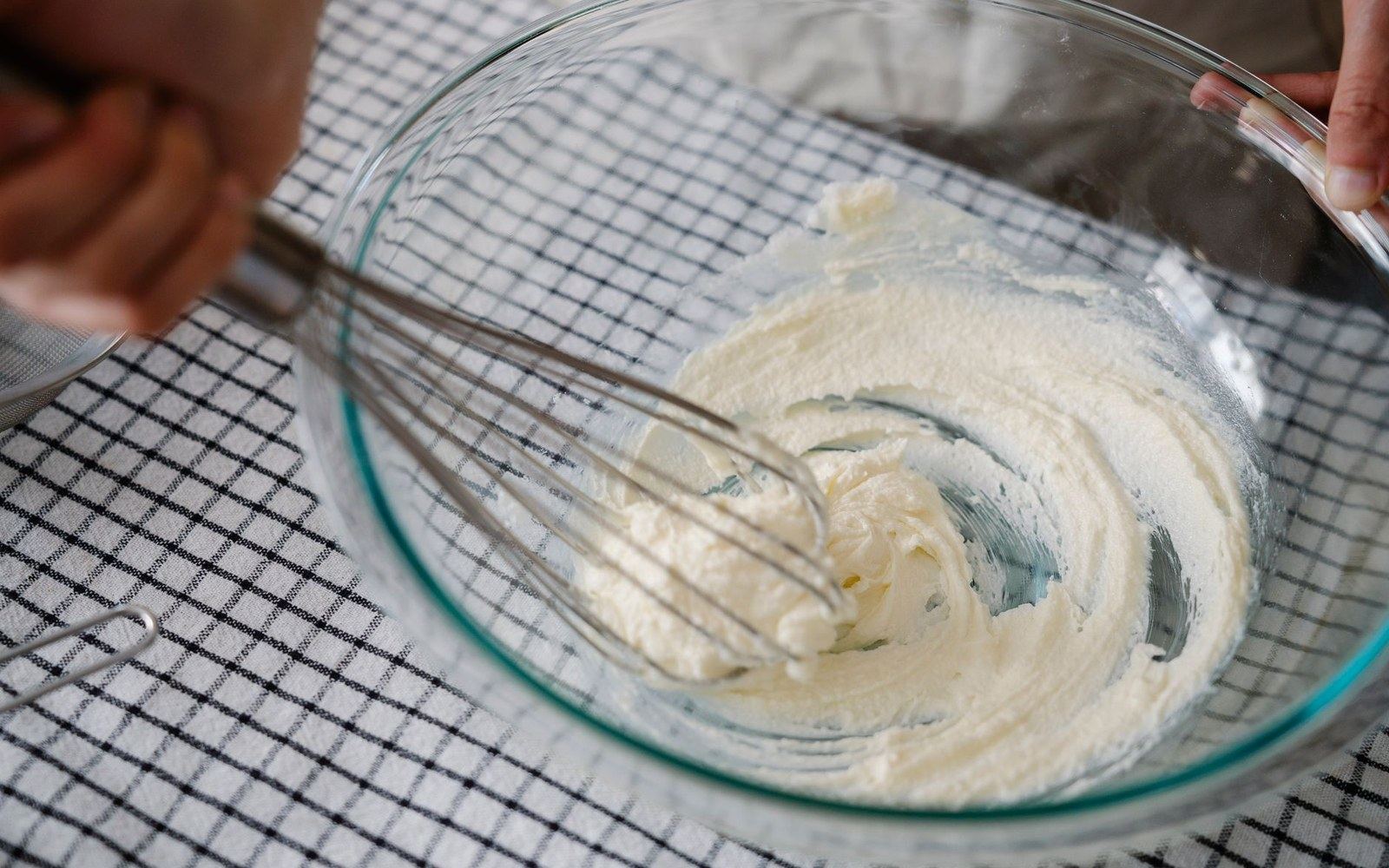
07Why a Sauce Breaks and What to Do Before It Does
An explainer on emulsion stability — hollandaise, beurre blanc, pan sauces — covering the physics of fat droplets, the role of lecithin in egg yolk, and the two points in a method where most sauces actually fail. Practical recovery steps included.
-
 08
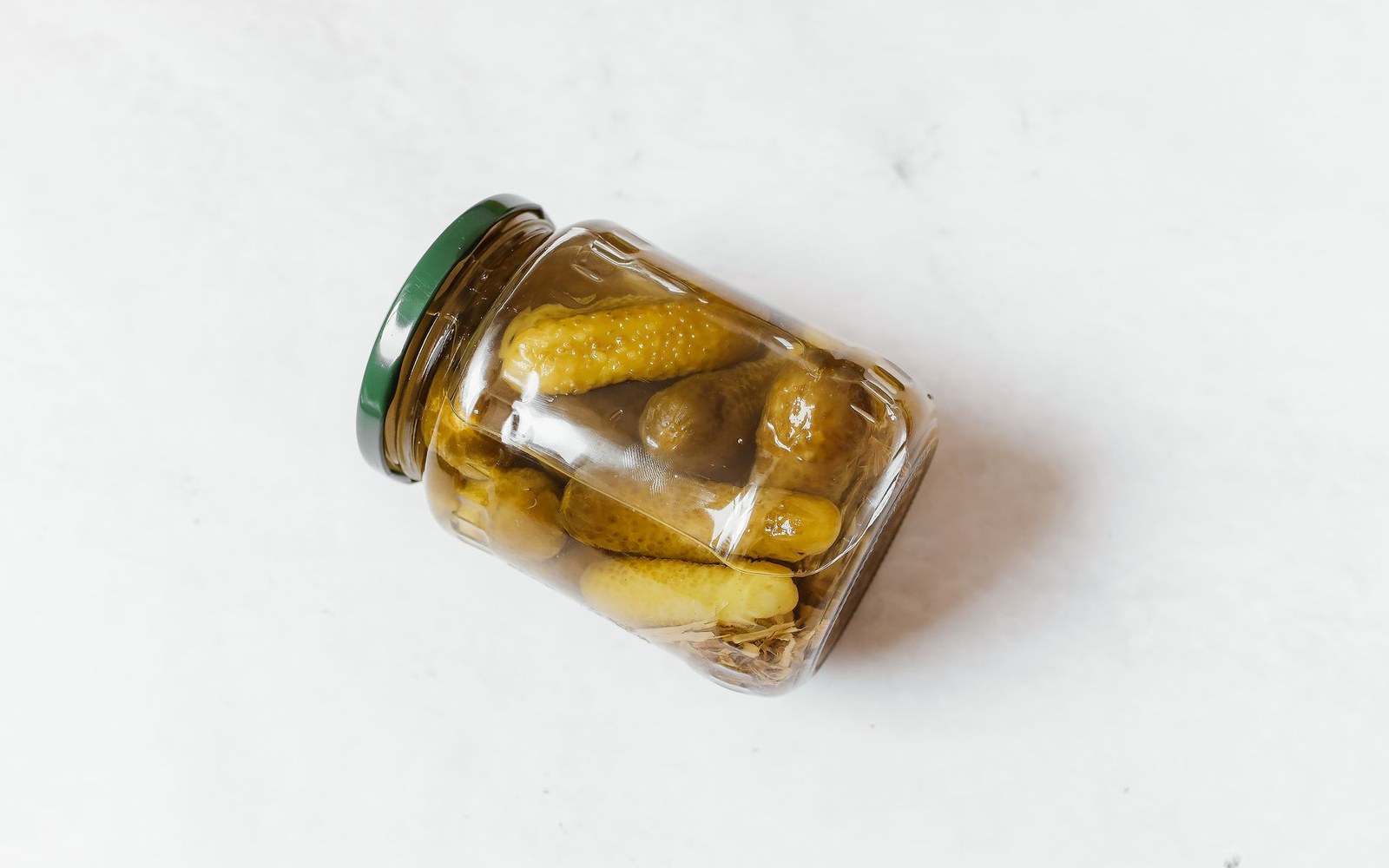
08A Mould Doing a Job: Fermentation from Kimchi to Garum
Traces fermentation from a home-scale kimchi (salt percentage, weight-to-vessel ratio, ambient temperature) through koji cultivation and on to garum — the fish sauce method that Noma's fermentation lab put back into professional kitchens. Shows the continuum rather than treating each as a separate technique.
Kitchens
Named rooms with a current record — what they cook, how they run, and what they decided.
-
 01
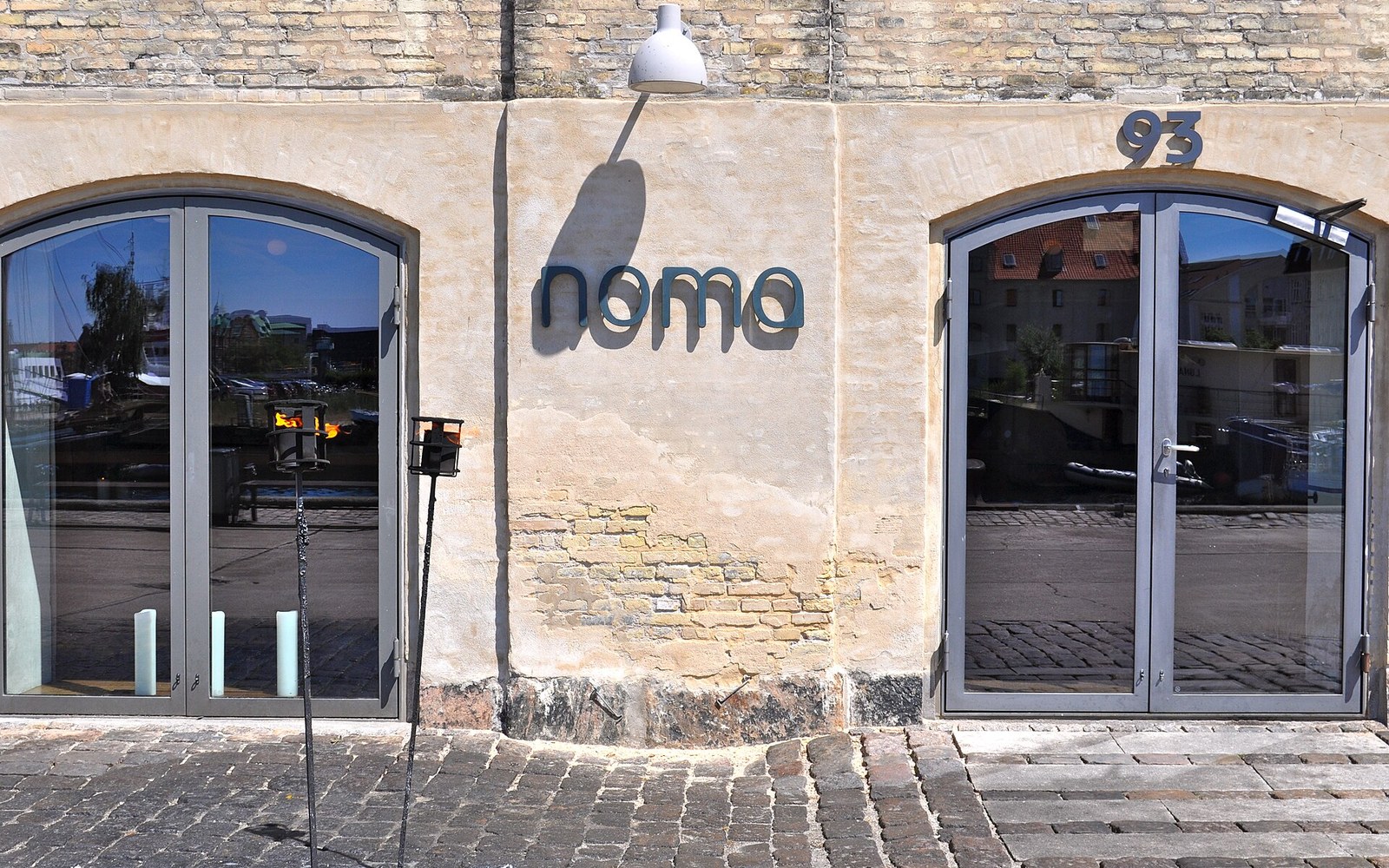
01Noma Stopped Serving and Opened as a Test Kitchen
An account of Noma's closure as a nightly restaurant at the end of 2024 and René Redzepi's stated reason — that the hours a tasting menu needs cannot be paid for by the seats it holds. Covers what the test-kitchen model actually produces and whether other rooms have followed the same logic.
-
 02
02St. JOHN Has Served the Same Dish Since 1994
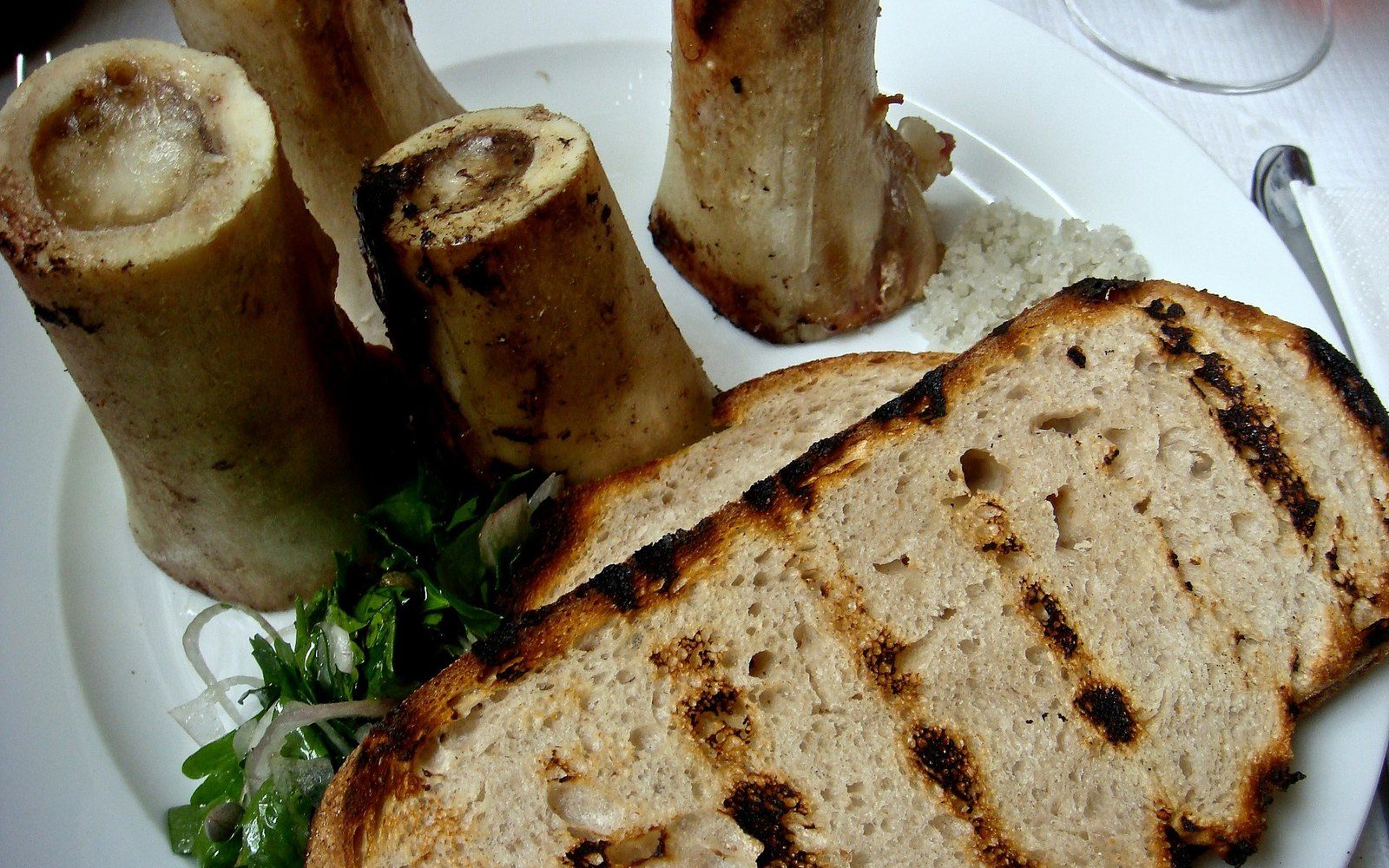
St. JOHN in Smithfield, roast bone marrow with parsley salad, and what that constancy says about a kitchen's argument. Covers Fergus Henderson's nose-to-tail position as a cooking philosophy rather than a trend, and how the room's economics depend on the cheap part of the animal.
-
 03
03Central Organises Its Menu by Altitude
Virgilio Martínez's Central in Lima and the altitude-as-tasting-menu structure: each course named for an ecosystem, from ocean floor to high Andes, and the sourcing network of Mater Iniciativa that makes it possible. Asks what it costs to run a menu whose ingredients cannot be ordered from a catalogue.
-
 04
04Disfrutar Kept the elBulli Method and Dropped the Name
Oriol Castro, Eduard Xatruch and Mateu Casañas opened Disfrutar in Barcelona after elBulli closed and have held two Michelin stars since 2018. Covers how the elBulli technical archive was carried forward and what changed when the room was smaller and the service nightly rather than seasonal.
-
 05
05Chez Panisse Drew the Californian Line in 1971
Alice Waters opened Chez Panisse in Berkeley and built a sourcing philosophy — named farms, seasonal menus, no freezer — that became the template for a generation of American cooking. The piece traces what that line actually produced: both the restaurants it influenced and the supply chains it required.
The Brigade
The people who changed how kitchens are organised and what they decided to cook.
-
 01
01Escoffier Put Five Men on a Sauce
The brigade de cuisine as Escoffier described it in Le Guide Culinaire (1903) — saucier, poissonnier, entremetier, garde-manger, pâtissier — and a comparison with how many people most rooms running at that level use today. The piece is a before-and-after argument, not a history.
-
 02
02Fergus Henderson Made the Cheap Parts Central
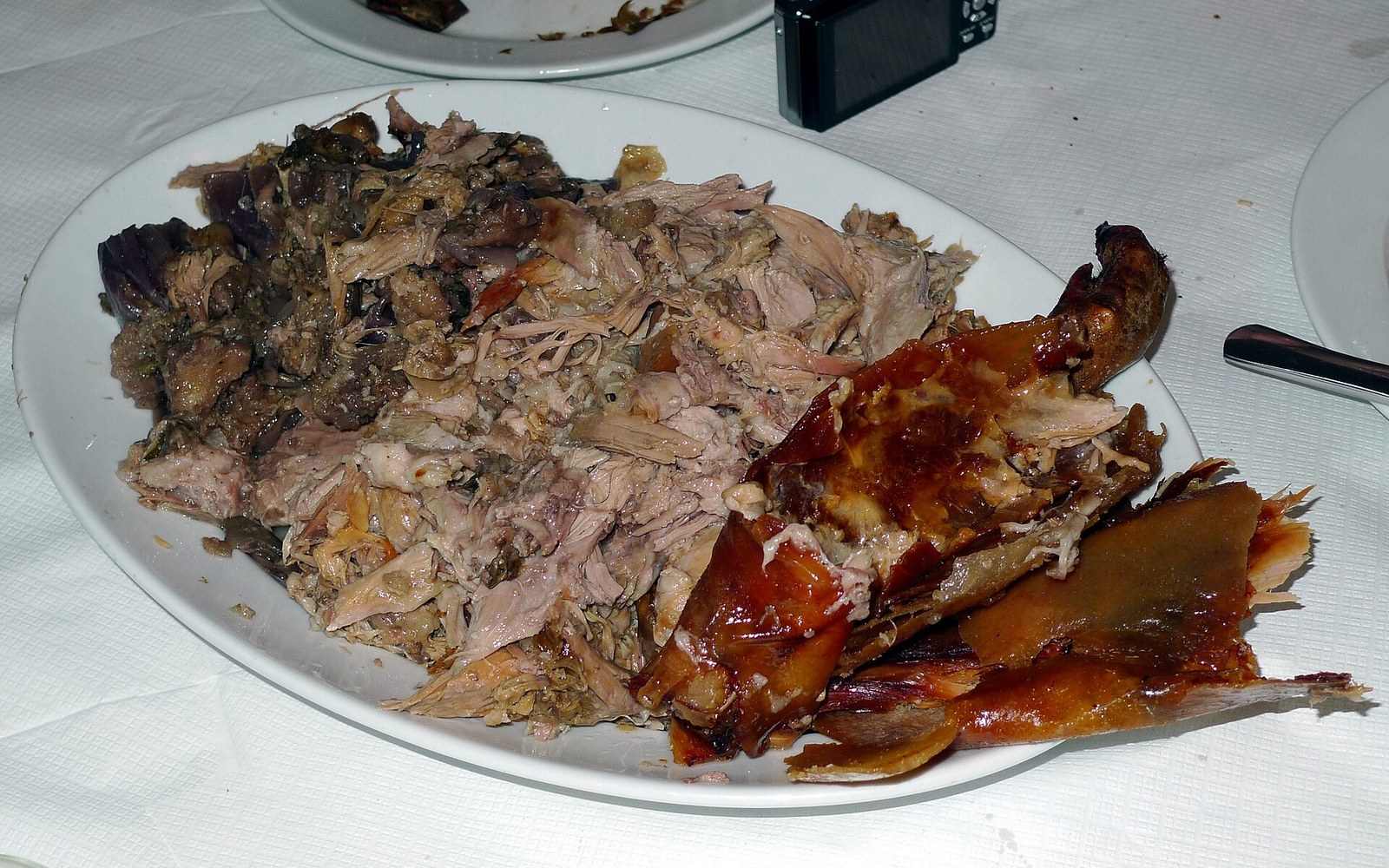
Henderson's nose-to-tail argument as a culinary position: what it meant to put bone marrow, tripe and pig's head at the centre of a menu in 1994, and how St. JOHN's economics depend on the same logic as its cooking philosophy. Short, pointed, no biography.
-
 03
03Alice Waters Named the Farms and Rewrote the Order Form
Waters's sourcing practice at Chez Panisse — named growers, daily-changing single-page menus, no produce held over — as an operational decision as much as a philosophical one. Covers the supply-side consequences of cooking to what is available rather than to a fixed menu.
-
 04
04Massimo Bottura Opened a Refettorio and Called It Food for Soul
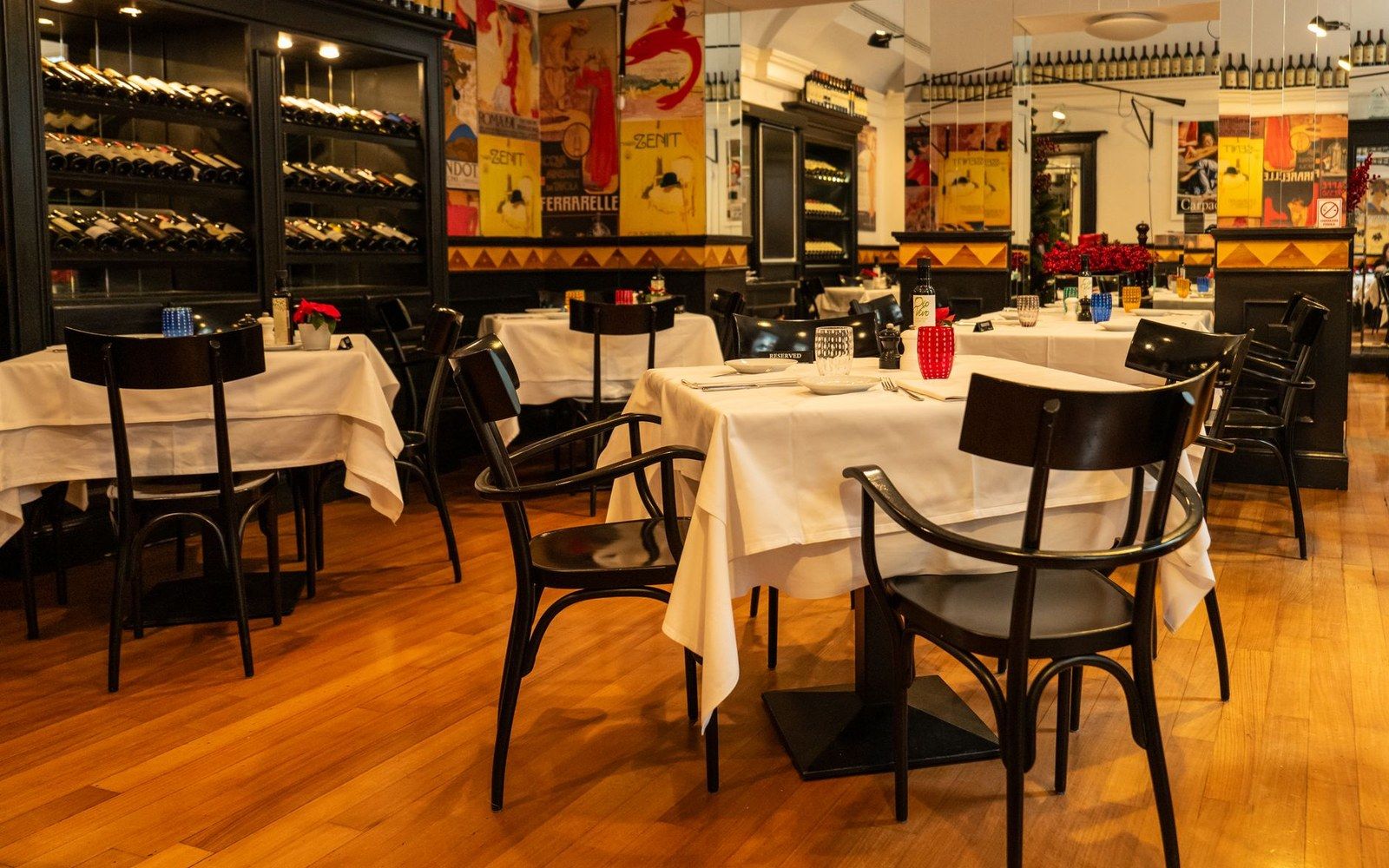
Food for Soul, the non-profit Bottura founded in 2016, turns surplus restaurant-industry food into meals in refettorios attached to social institutions. The piece covers the operational model — which kitchens donate, how the surplus is moved, what the refettorio serves — rather than the biography.
-
 05
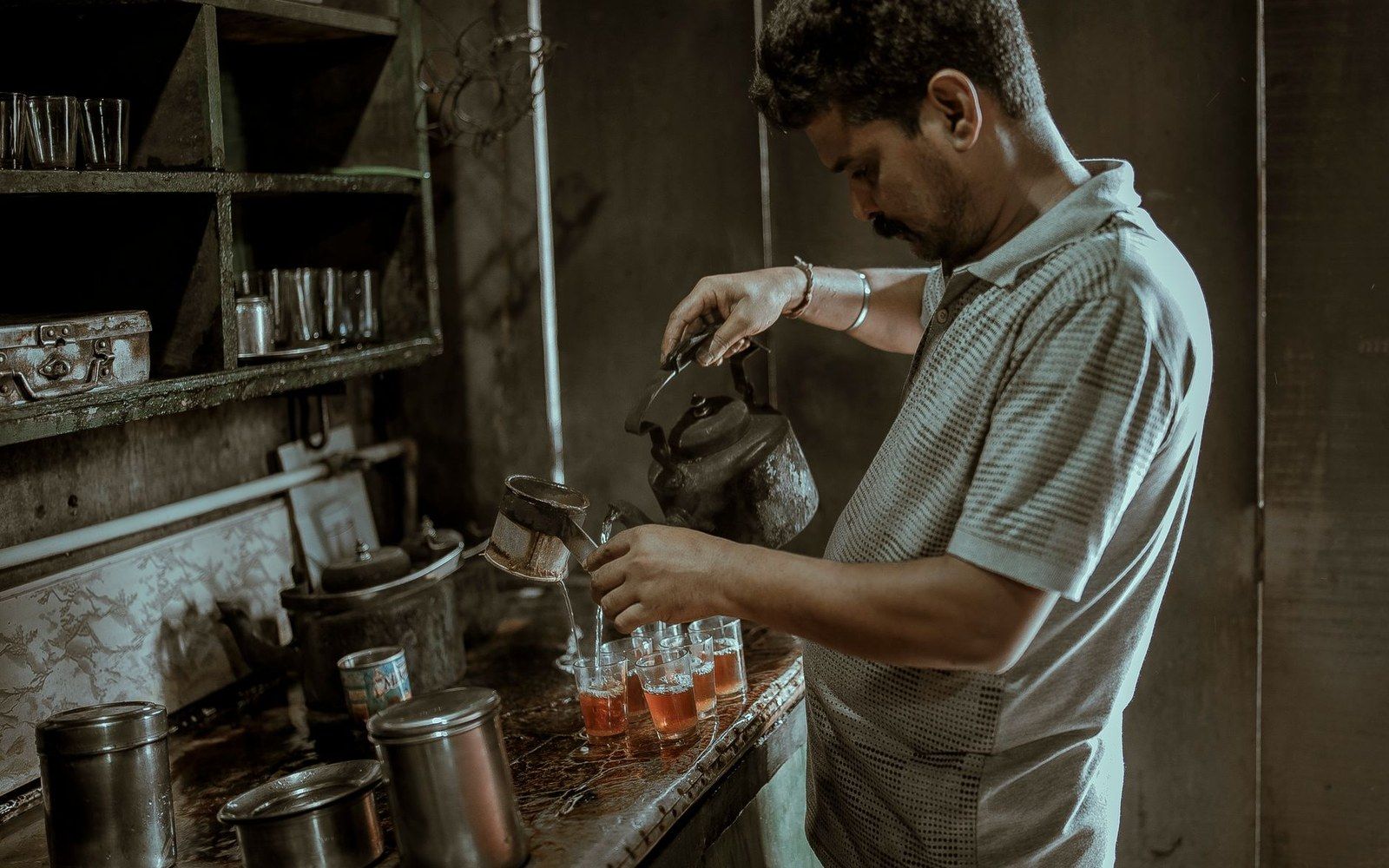
05Asma Khan Staffed Her Kitchen with People Who Had Never Worked in One
Khan's Darjeeling Express in London was built on a brigade of second-generation Indian women with no professional kitchen background. The piece examines what that staffing decision produced — in terms of menu, kitchen culture and the economics of a room that does not run on the standard brigade model.
Food Cost
The economics that fill or close a room — food cost percentages, service charge law, delivery commissions, and the four-day week.
-
 01
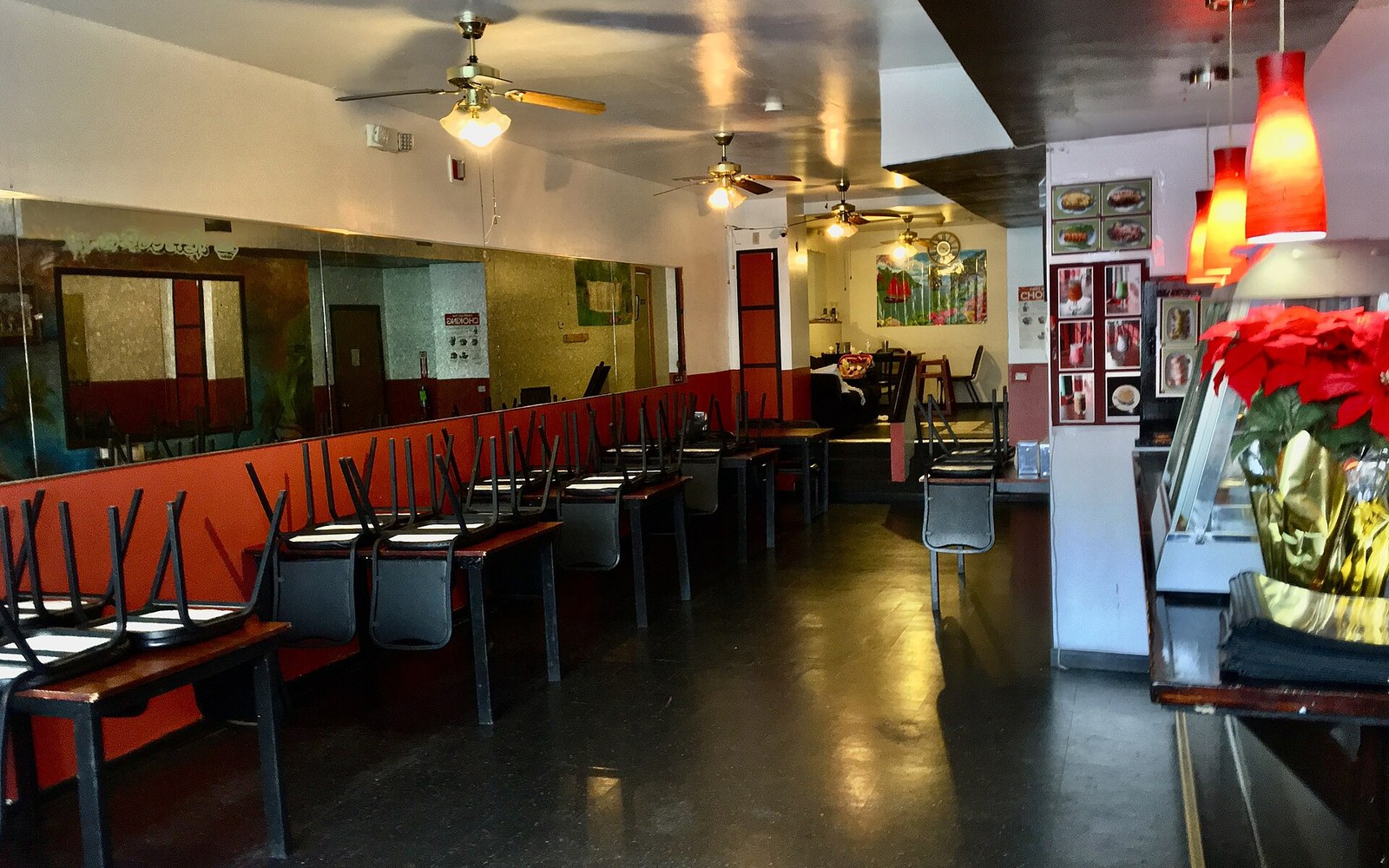
01A Full Room, and Still Nothing Left at the End of the Month
The piece takes a notional 40-cover room and works through a realistic revenue-to-cost breakdown: food cost at 30%, wages at 35%, rent and service, leaving the margin that actually remains. Argues that full occupancy is a necessary but insufficient condition for a restaurant to survive.
-
 02
02The Tips Act Settled Who Owns the Service Charge, Not What It Costs to Cook
The UK's Employment (Allocation of Tips) Act came into force on 1 October 2024. The piece explains what it requires — all tips and service charges passed to workers, no deductions — and what it does not resolve: the fundamental question of whether a service charge can cover the cost of the brigade that earns it.
-
 03
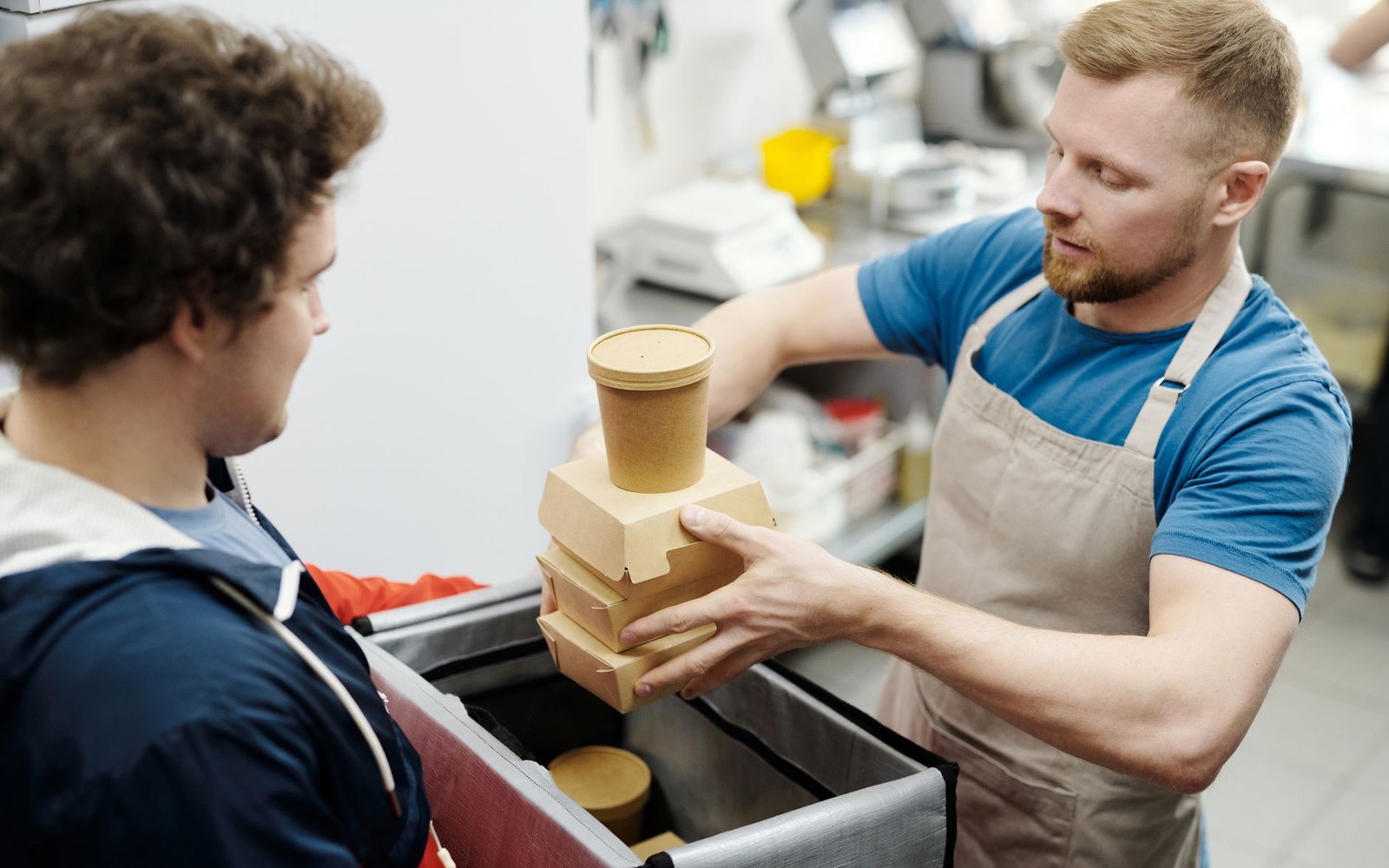
03Thirty Per Cent Off the Top Before the Kitchen Has Spent a Penny
Delivery platform commission rates (typically 25–35% of order value as of 2024) as a structural problem for restaurant economics. Covers how kitchens price delivery menus differently from the dining room, what ghost-kitchen models attempt to recover, and why the margin arithmetic is different from table service.
-
 04
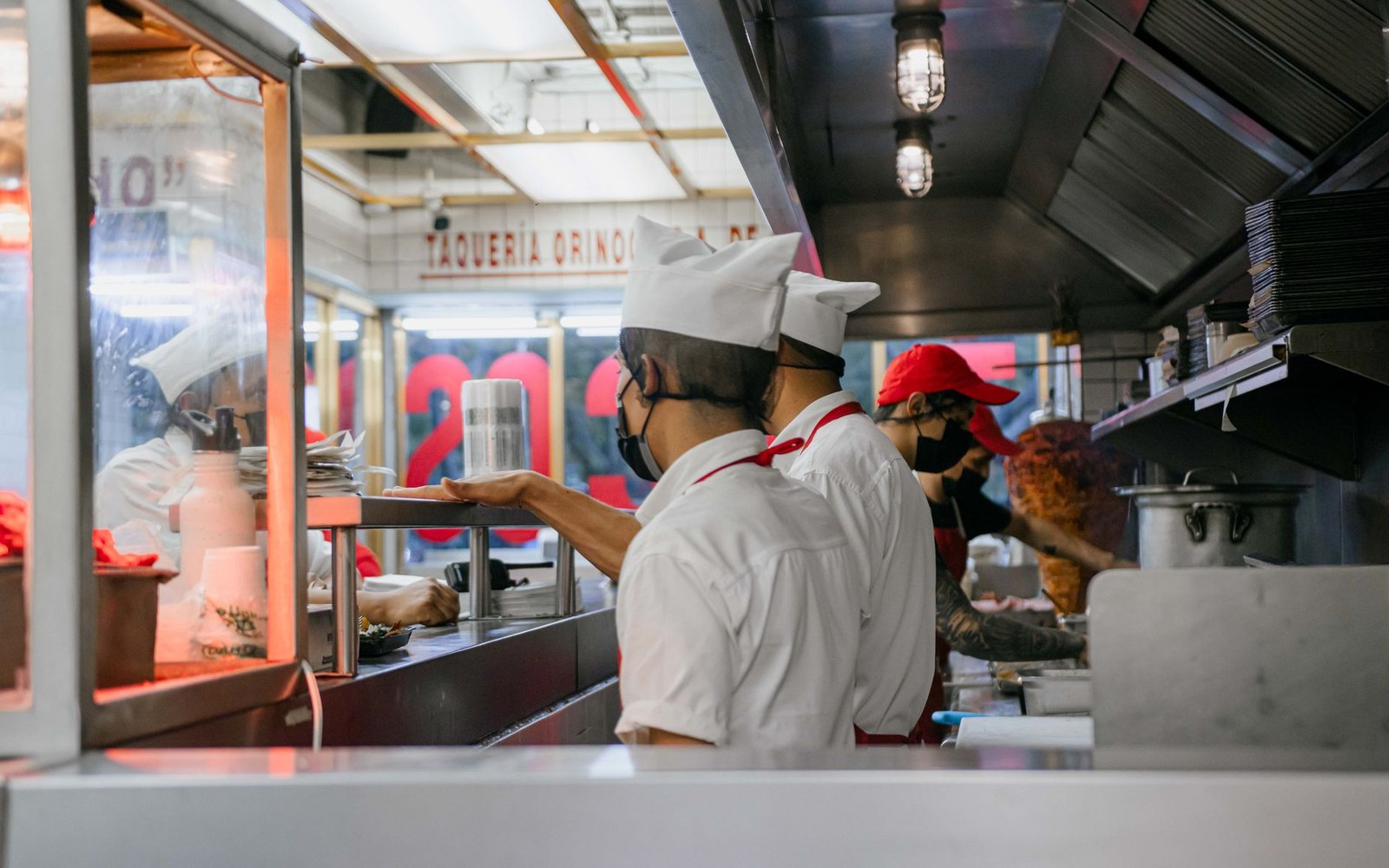
04The Bib Gourmand Goes to Rooms That Cannot Afford a Full Brigade
Michelin's Bib Gourmand designation signals good food at moderate prices, but moderate prices and the cost of a kitchen skilled enough to earn recognition are in direct tension. The piece examines the economics of a Bib Gourmand room — what the food cost looks like, how thin the brigade runs — as a case study in the gap between culinary recognition and commercial viability.
-
 05
05The Sourdough Bakery Solved One Problem and Created Three Others
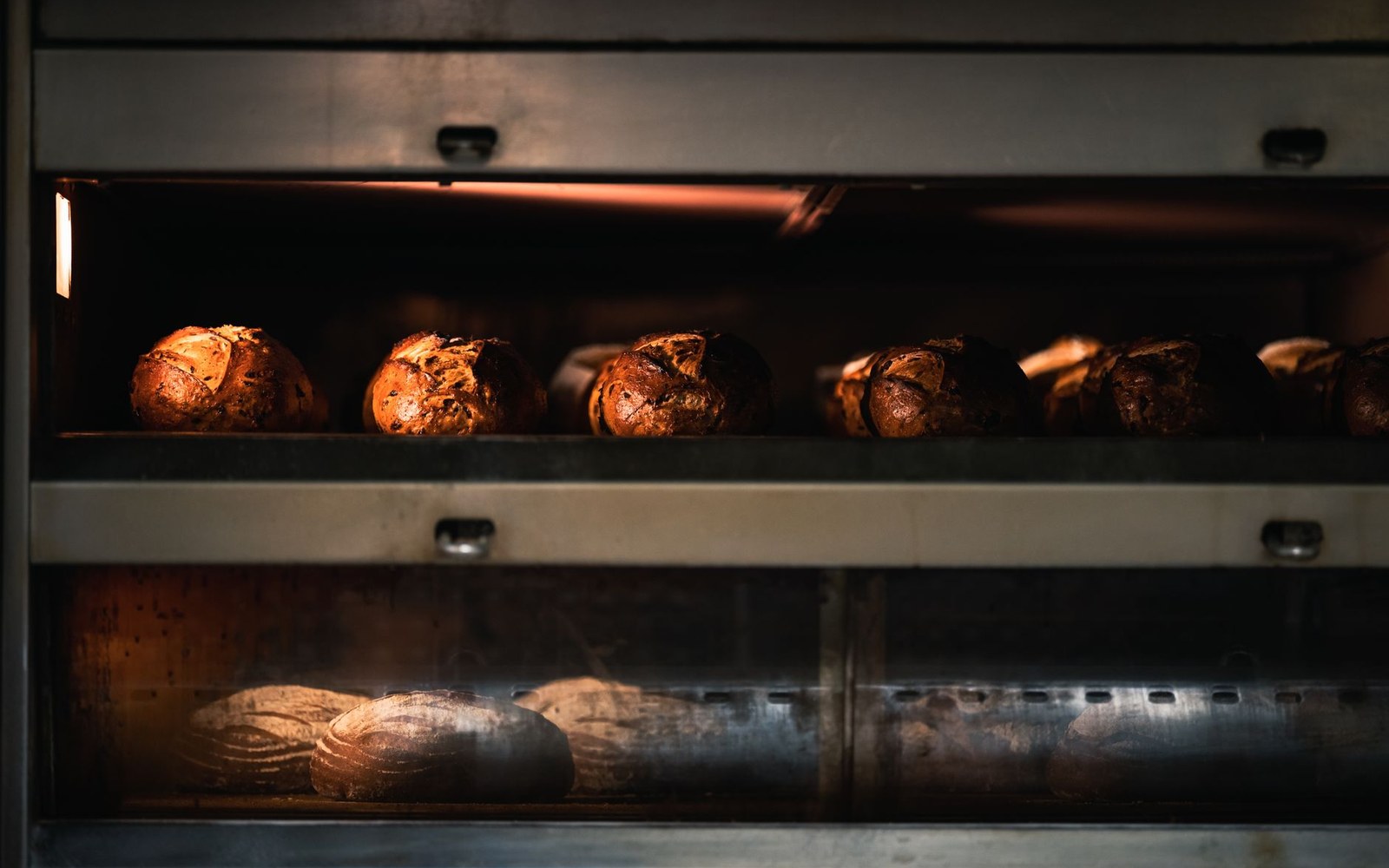
The sourdough-bakery model — low covers, high throughput, early close, product that can be priced at cost-plus — as a response to restaurant economics. Covers why the model works on paper, where it fails in practice (real-estate cost per square foot, equipment depreciation, the baker's hours), and what it borrows from and returns to the restaurant.
Ingredients
Named ingredients, where they come from, and the numbers that matter — harvest dates, consortium rules, curing ratios.
-
 01
01The Acorn, the Fat and the Harvest Date: Ibérico in the Montanera Season
Ibérico pigs in the dehesa, the montanera season (roughly October to February), and what the acorn diet does to the fat. Covers the Denominación de Origen Protegida rules that determine what 'bellota' on a label actually means and which parts of Spain the designation covers.
-
 02
02Twelve Months Is the Floor: Parmigiano Reggiano's Consortium Rules
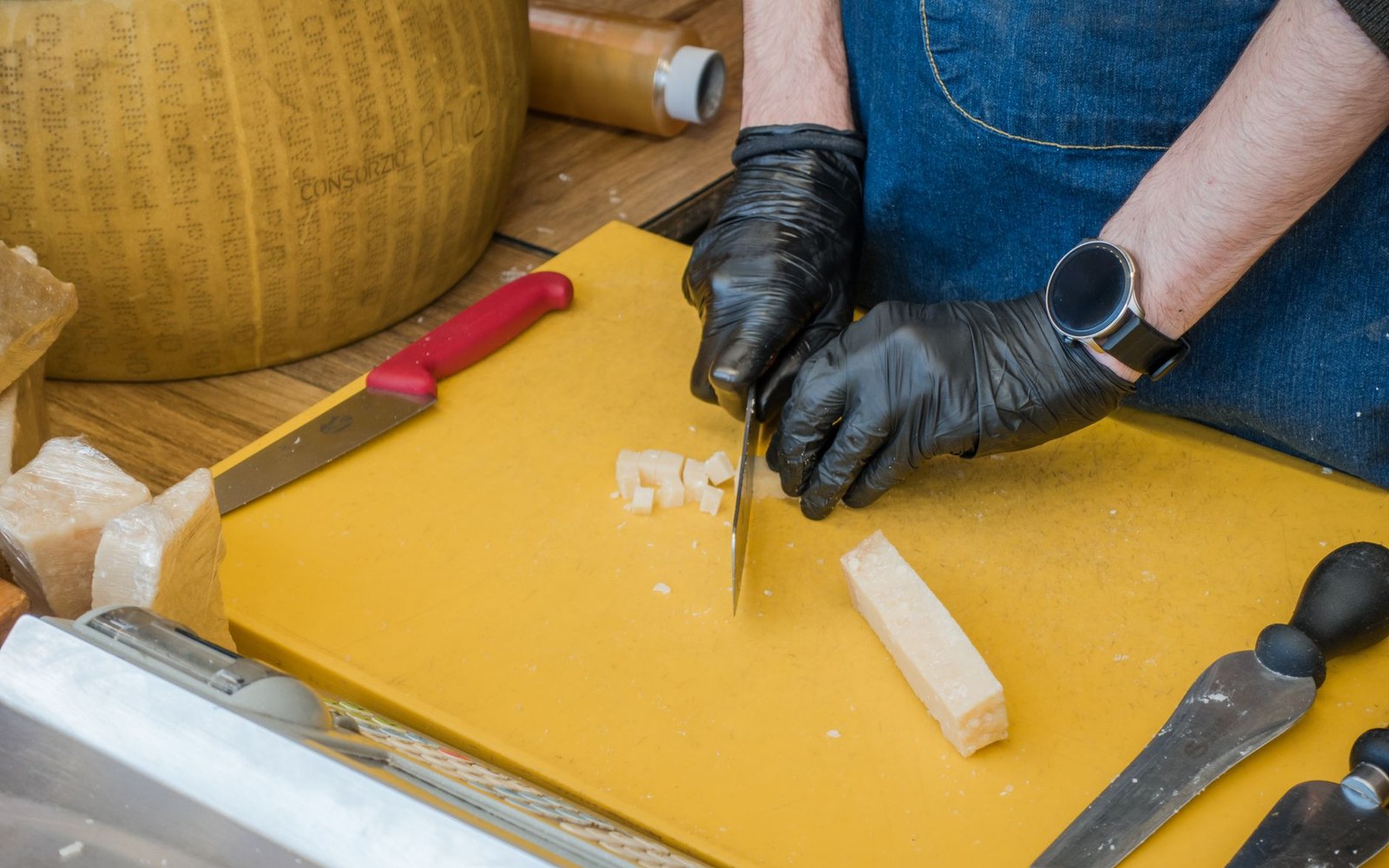
The Parmigiano Reggiano Consortium's DOP rules: the five provinces, the no-silage requirement, the grading inspection before the wheel may carry the fire-brand stamp, and the ageing tiers from 12 months to 40-plus. The piece argues that the rules are a production method as much as a legal protection.
-
 03
03The 2023 Harvest: Why Drought Doubled the Price and What the Bottle Date Means
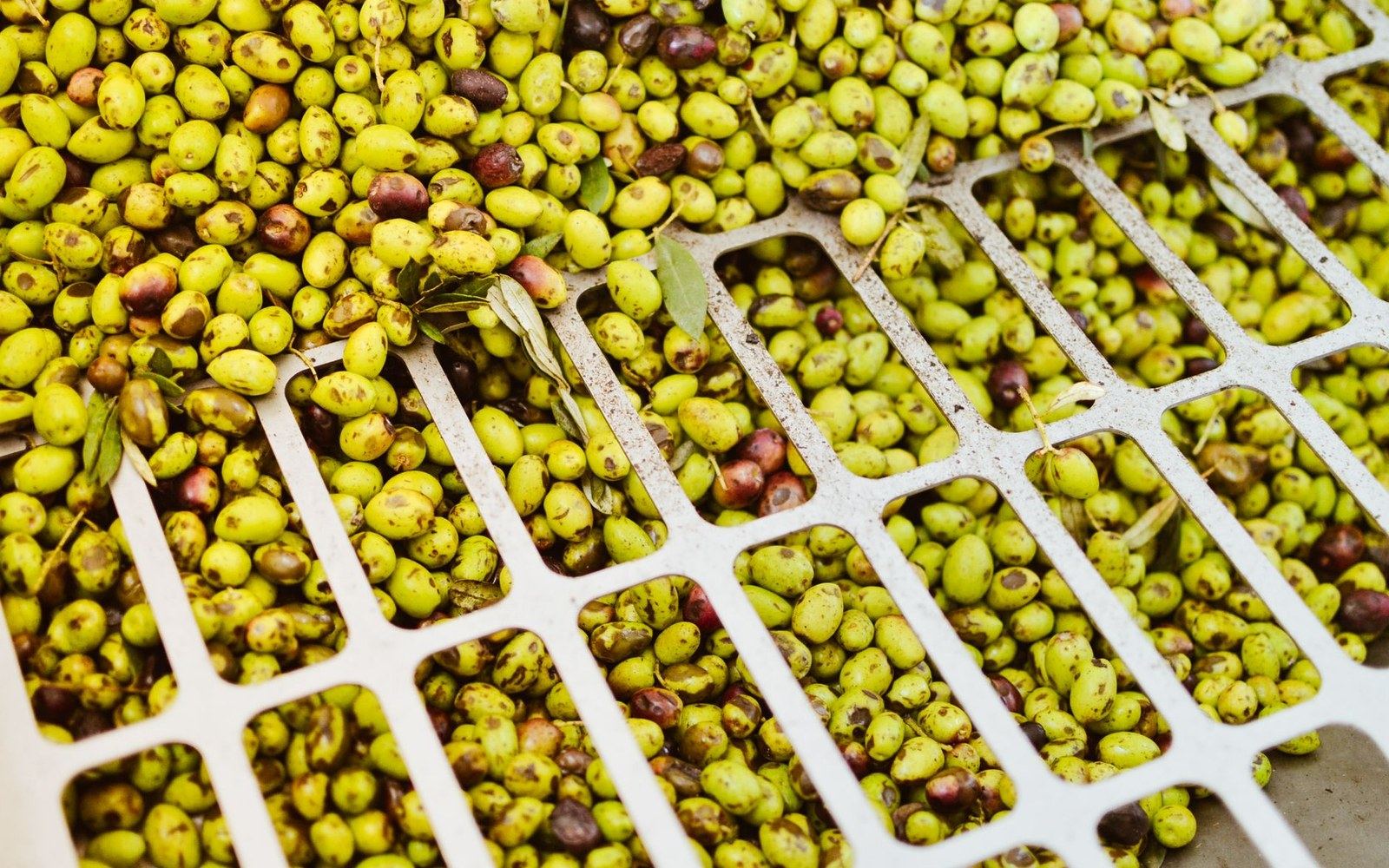
Drought across southern Spain cut the 2023 olive harvest and roughly doubled wholesale prices through that year. The piece covers how harvest date on a bottle of extra-virgin oil is a freshness indicator (oil degrades), why the 2023 price shock made the harvest date more visible to buyers, and what to look for on the label.
-
 04
04Dashi Is the Shortest Method on the Site
Kombu at 60 °C for ten minutes, katsuobushi steeped and strained: the dashi method written to be followed, with the science of why temperature matters (glutamates degrade above 80 °C). Covers the difference between ichiban dashi and niban dashi and what each is used for.
-
 05
05Heritage Grain Needs a Different Mill and a Different Baker
The argument for Einkorn, Red Fife and Khorasan wheat in a professional kitchen — not as a wellness claim but as a flavour and baking-behaviour difference. Covers what stone-milling does to extraction rate and how the protein structure of older wheats changes fermentation time and crumb.