Twelve Months Is the Floor: Parmigiano Reggiano's Consortium Rules
The DOP specification for Parmigiano Reggiano is not a label — it is a production protocol written into law.
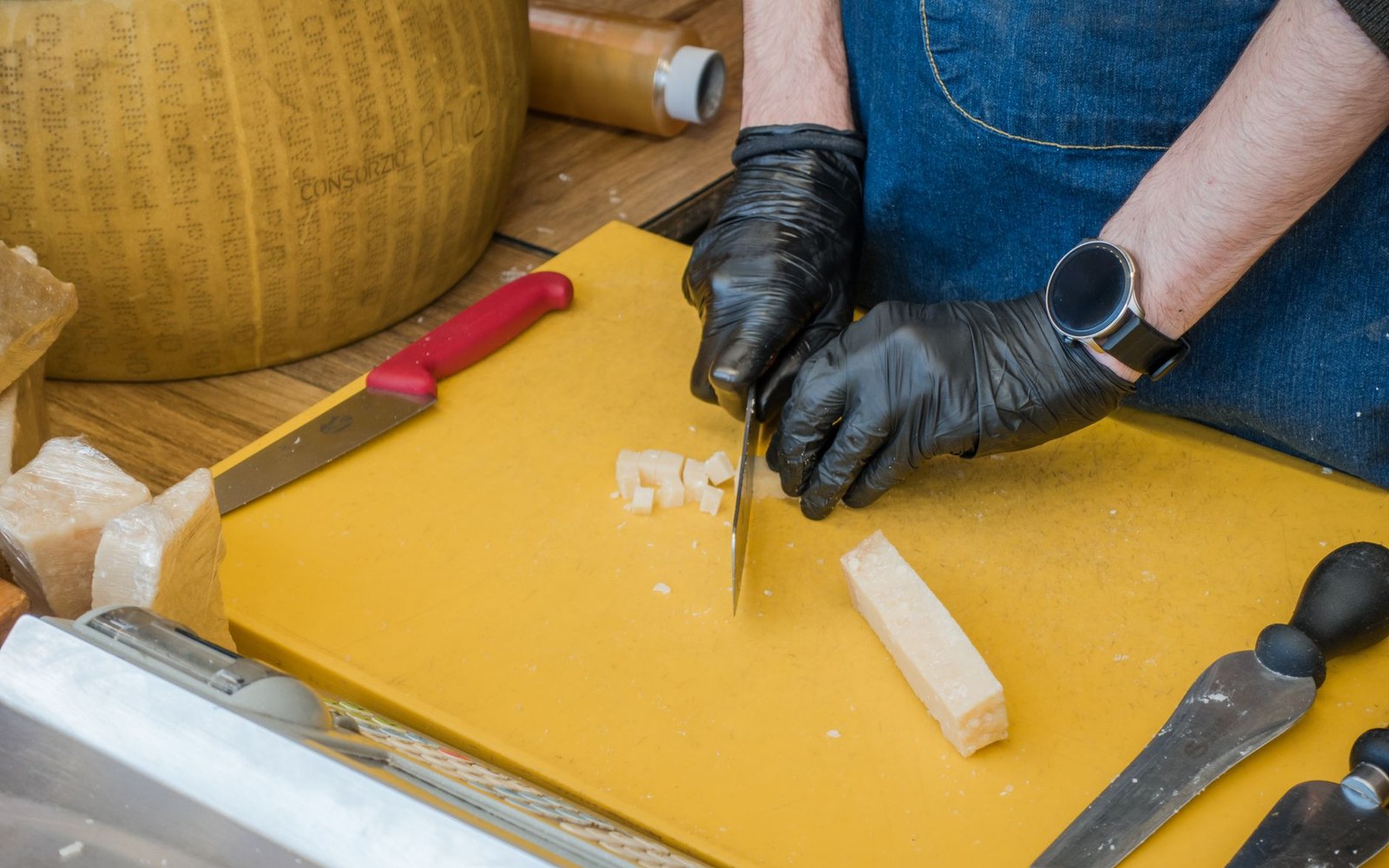
The Province, the Feed, the Fire-Brand
Milk for Parmigiano Reggiano can be drawn only from cows in five provinces: Parma, Reggio Emilia, Modena, Bologna west of the Reno river, and Mantua south of the Po. That boundary is not marketing geography. It defines the specific forage, water table and microflora that the Parmigiano Reggiano Consortium argues are inseparable from the finished cheese's character. Silage — fermented stored fodder — is prohibited outright; cows eat fresh grass, hay and approved feed only. The prohibition matters to flavour: silage carries clostridial bacteria that cause late-blowing, the internal cracking that ruins an aged wheel.
Each wheel forms at roughly 40 kg. After brining, it passes to the Consortium's inspectors at twelve months. Inspectors tap the wheel with a small hammer, listening for voids; they probe with a needle for texture; they examine the rind. A wheel that passes is fire-branded with the Consortium's dotted-pin stamp — the words Parmigiano Reggiano pressed into the rind in a pattern legible across the entire surface. A wheel that fails loses the name and is sold as an anonymous grana, often in bulk.
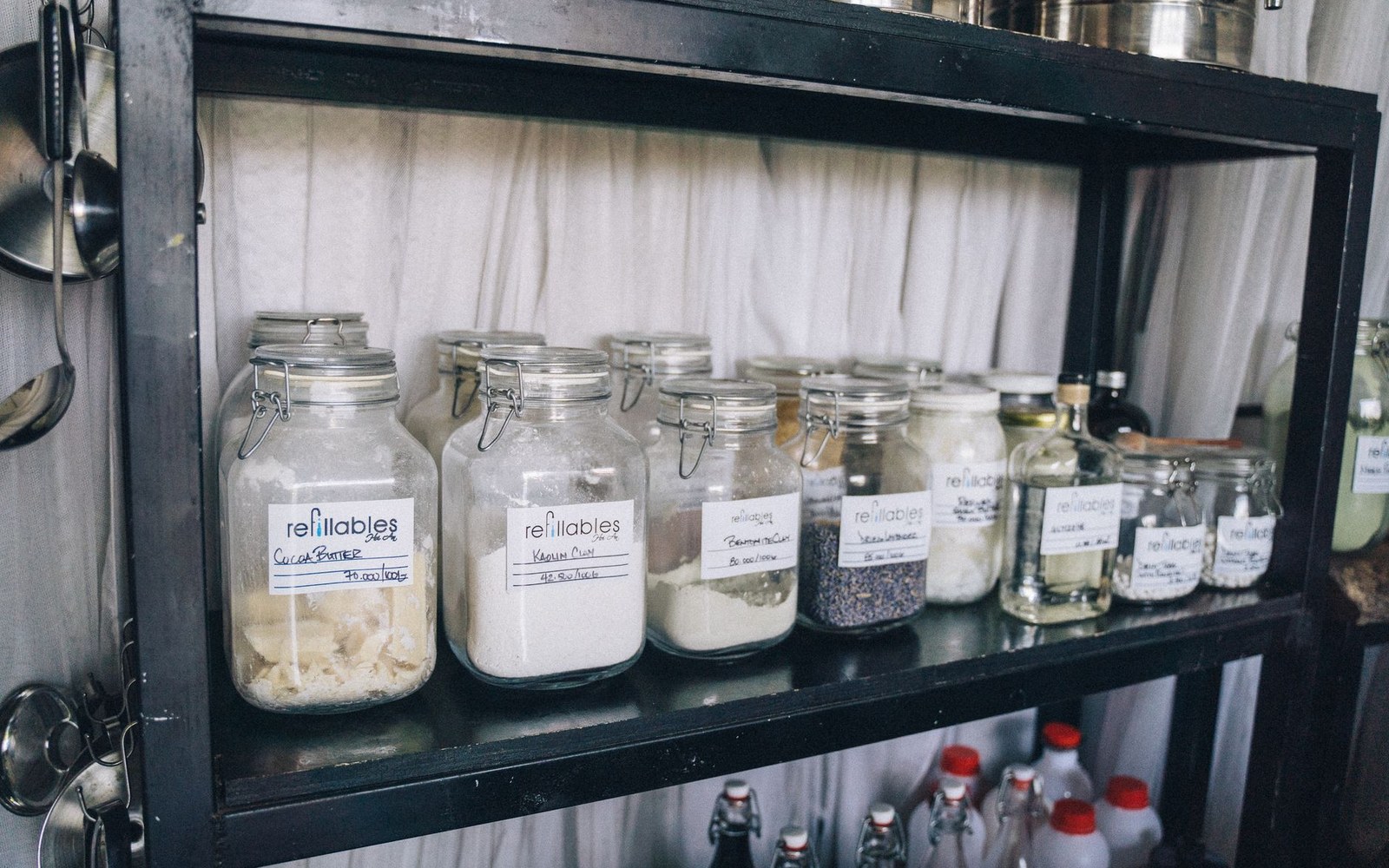
Cold storage is where most of a kitchen’s money sits. What is labelled, dated and used decides food cost more reliably than the menu price does.
Photo: Anna Tarazevich / Pexels
A ferment is a method that runs without a cook standing over it — which is why the ratio, the temperature and the date on the label do all the work.
Photo: Yuwanda Sandhi / PexelsAgeing as Specification
Twelve months is the legal minimum, but within the Consortium's framework the ageing tiers are as specific as the geography. At 12 months the wheel earns the standard mark. At 24 months — labelled Stravecchio by some producers — crystalline tyrosine deposits form and the paste becomes granular and assertive; this is the tier most commonly used in professional kitchens as a finishing cheese or a cooking reference for intensity. At 36 months the rind is harder, the interior drier, the flavour concentrated toward a long, minerally finish that dissolves slowly. Wheels aged beyond 40 months exist from individual dairies but are exceptional and fragile; humidity and temperature must be carefully controlled throughout.
Protected Designation of Origin status under EU law (PDO, or DOP in Italian) means that the specification is enforceable across member states — no wheel calling itself Parmigiano Reggiano can exist outside this protocol. For a kitchen, the practical consequence is that the fire-brand stamp is a proxy for a full production audit: province, feed, inspection, age minimum. When a recipe specifies Parmigiano Reggiano rather than a generic grana, it is specifying that entire chain, not just a flavour type.
The rules are, in effect, a written method — one that runs from a cow's feed through a hammer-tap at twelve months to the moment the rind hits a grater.
The ageing tiers
- 0112 months — minimum legal threshold; standard fire-brand stamp applied after inspection
- 0224 months — Stravecchio range; tyrosine crystals visible; most common professional-kitchen specification
- 0336 months — drier paste, harder rind, long minerally finish
- 0440-plus months — exceptional production; structurally fragile; rare