The 2023 Harvest: Why Drought Doubled the Price and What the Bottle Date Means
A single dry season in Andalusia turned olive oil from a kitchen staple into a line item worth reading.
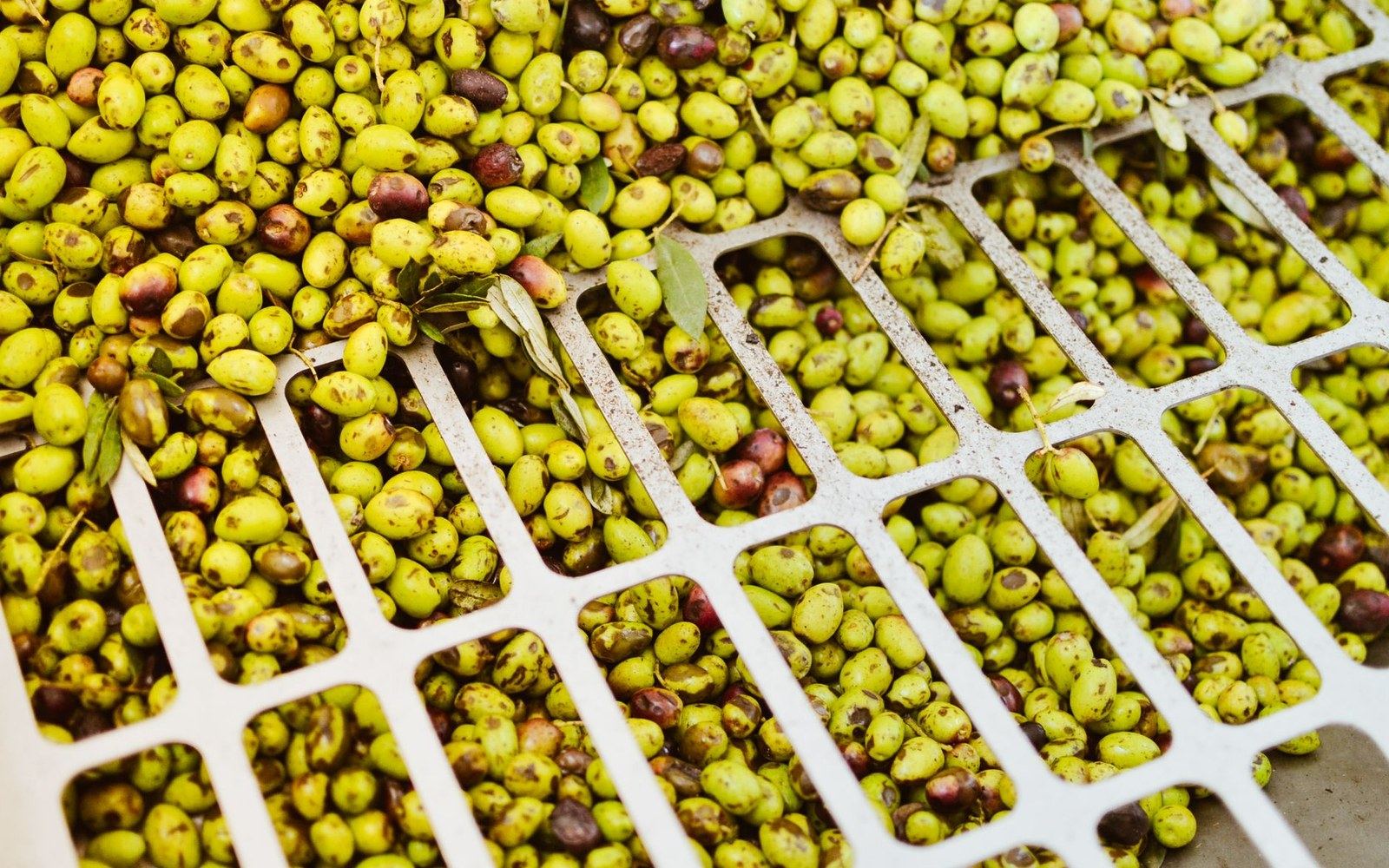
Drought across southern Spain cut the 2023 olive harvest and roughly doubled wholesale prices through that year.
Photo: Chermiti Mohamed / PexelsWhat Happened to the Price, and Why
Spain produces roughly half of the world's olive oil, and the overwhelming majority of that comes from Andalusia — Jaén province alone accounts for more oil than any other single region on earth. The 2023–24 harvest across southern Spain was catastrophically short: drought running through 2022 and into 2023 cut Spanish production by more than half in some provinces. Wholesale bulk prices for extra-virgin oil roughly doubled between early 2022 and mid-2023, and in some months traded at three or four times the five-year average.
That price shock had a secondary effect: buyers — wholesale and retail alike — began reading labels. When a litre costs what two litres used to, the question of freshness stops being academic.
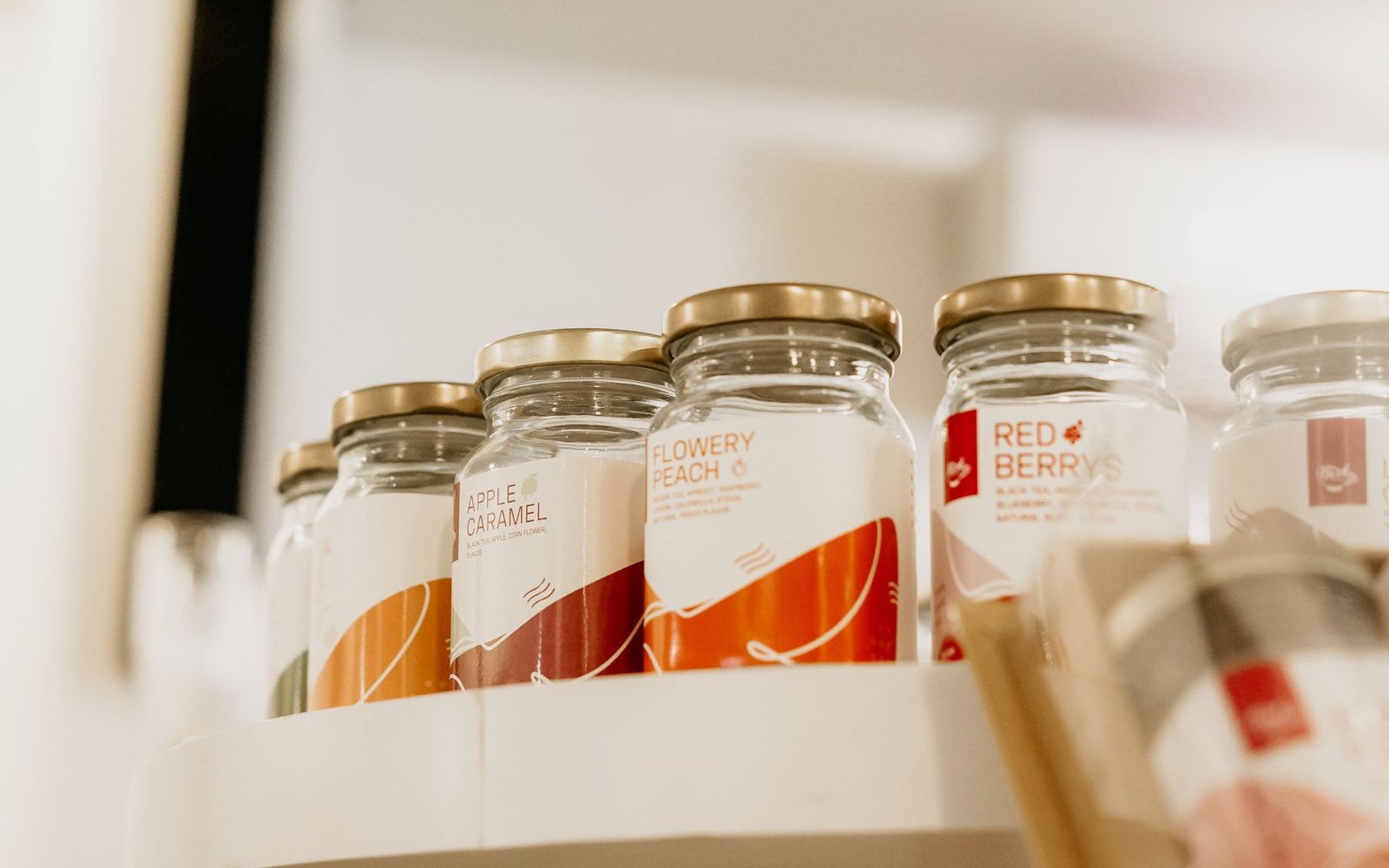
A ferment is a method that runs without a cook standing over it — which is why the ratio, the temperature and the date on the label do all the work.
Photo: Yuwanda Sandhi / Pexels
Oven temperature, not time, is the control in every method on this site: the number on the dial decides what the heat can do to collagen, gluten or fat.
Photo: Алексей Гвоздев / PexelsWhat the Bottle Date Actually Means
Extra-virgin olive oil is a fresh product. From the moment the fruit is pressed, oxidation and hydrolysis raise free fatty acids and erode polyphenol content, reducing both flavour complexity and the chemical markers that define extra-virgin status. A bottle sealed two years ago — regardless of its best-before date — is a different product from oil pressed and bottled in the current harvest.
The harvest date or crop year (often printed as cosecha, meaning harvest, with a year) is the relevant indicator. A best-before date, typically set two years from bottling, tells you less: it reflects packaging conditions, fill level and storage, not fruit age. Look for the harvest year; if it is absent, treat the oil as you would unlabelled fish.
For a kitchen running on commercial volumes, the 2023 price pressure made rotation discipline urgent. Oil stored warm or in clear bottles degrades faster; professional kitchens should buy in smaller quantities more frequently rather than holding large stock against price exposure. A six-month-old oil from the 2023 harvest is still preferable to an eighteen-month-old oil from an earlier, larger pressing.
The label is not decoration. It is the only document connecting what is in the bottle to when and where the olives were picked — and in a year when that information became expensive, it became worth reading.
Key distinctions
- 01Cosecha — Spanish for "harvest"; on a label, followed by a year; the most useful freshness indicator on a bottle of extra-virgin oil
- 02Harvest date vs. best-before date — harvest date reflects fruit age; best-before reflects packaging conditions and is set by the producer, typically two years from bottling
- 03Extra-virgin status — defined by free fatty acid content and sensory standards; both degrade with age and poor storage conditions