The Acorn, the Fat and the Harvest Date: Ibérico in the Montanera Season
The pig that becomes bellota jamón spends roughly four months eating acorns in open woodland. What happens to its fat during that time determines everything about the finished product.
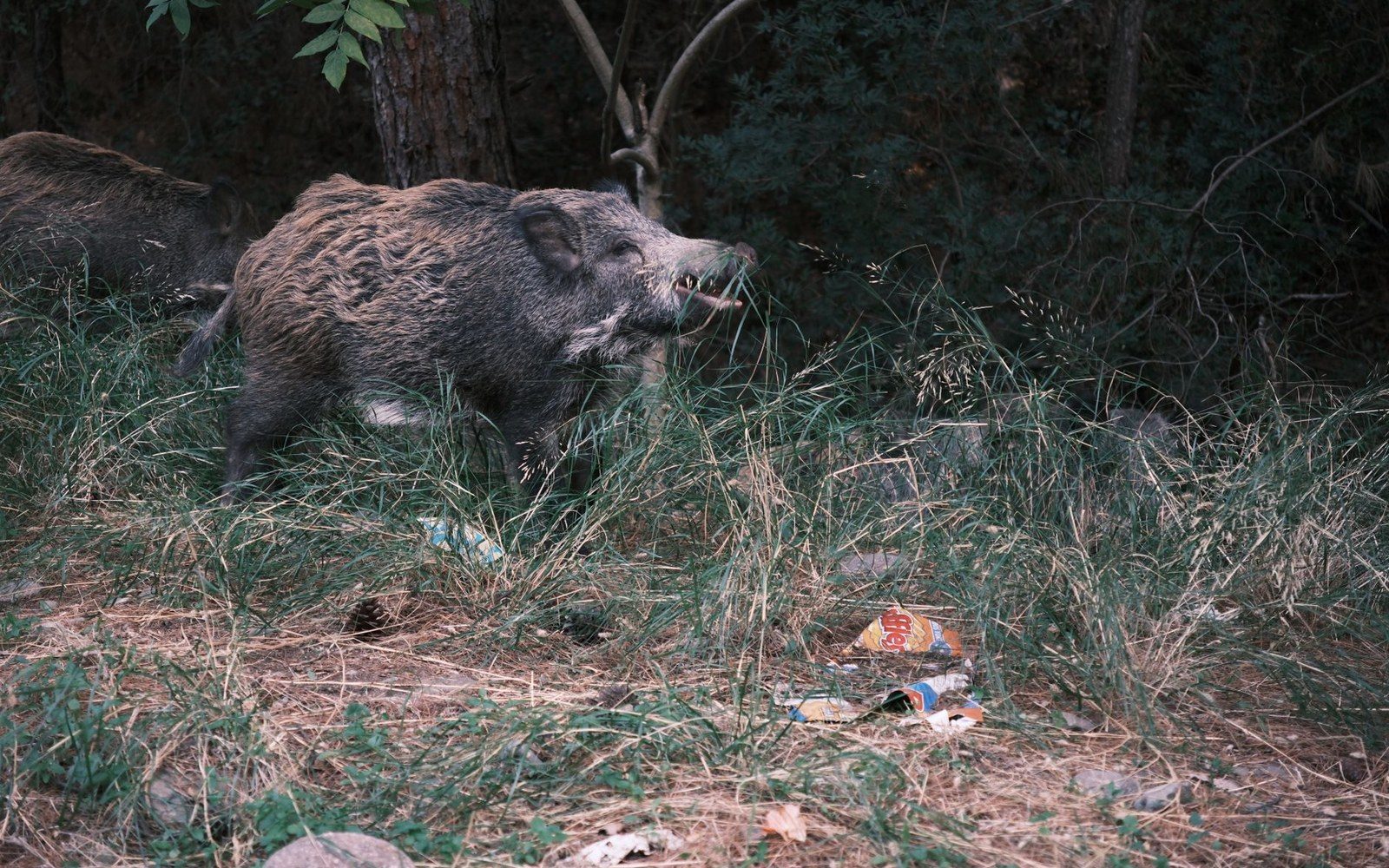
Ibérico pigs in the dehesa, the montanera season (roughly October to February), and what the acorn diet does to the fat.
Photo: Doğan Alpaslan Demir / PexelsThe Dehesa and What the Season Does
The dehesa is a managed woodland-pasture unique to southwestern Spain and southern Portugal, characterised by widely spaced holm oak (Quercus ilex) and cork oak (Quercus suber) whose canopies are shaped to maximise mast production. The trees are not wild; they are farmed for acorns the way an orchard is farmed for fruit. When the acorns fall — typically from late October through February — the period is called the montanera, and it is the only time a pig can legitimately earn the bellota designation.
To qualify, an Ibérico pig must enter montanera at a minimum weight set by the Denominación de Origen Protegida regulations, gain at least 46 kilograms on a diet of acorns and natural pasture during the season, and be slaughtered at a minimum live weight of 160 kilograms. The pig walks. It covers several kilometres daily across unfenced dehesa, and that physical work, combined with the specific fatty-acid profile of the acorn, is what produces the distinctive marbling: intramuscular fat distributed through the muscle rather than sitting in a thick subcutaneous layer.
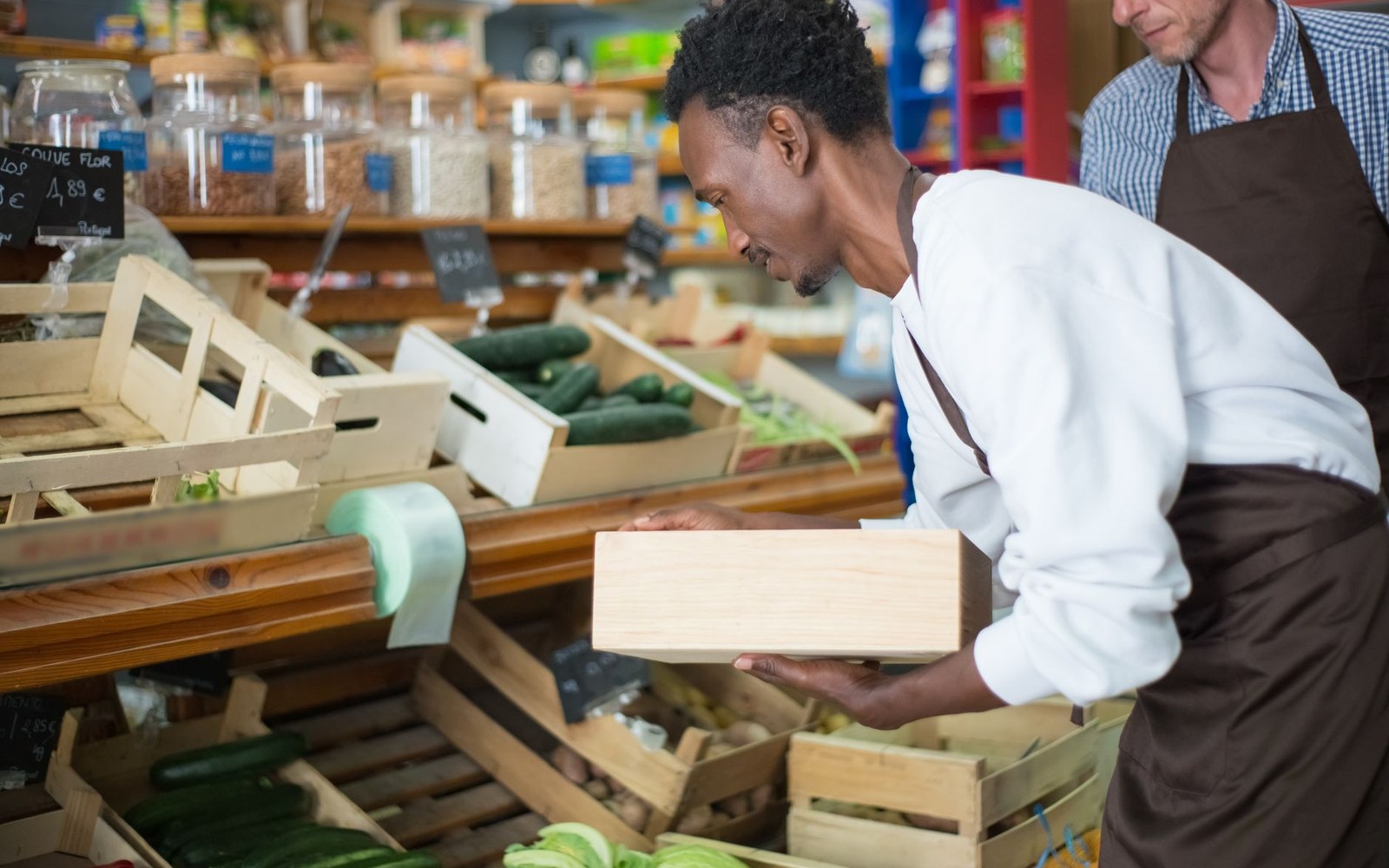
Sourcing sets the ceiling on what a kitchen can cook. Every method here assumes an ingredient that arrived in the state the method expects.
Photo: Kampus Production / Pexels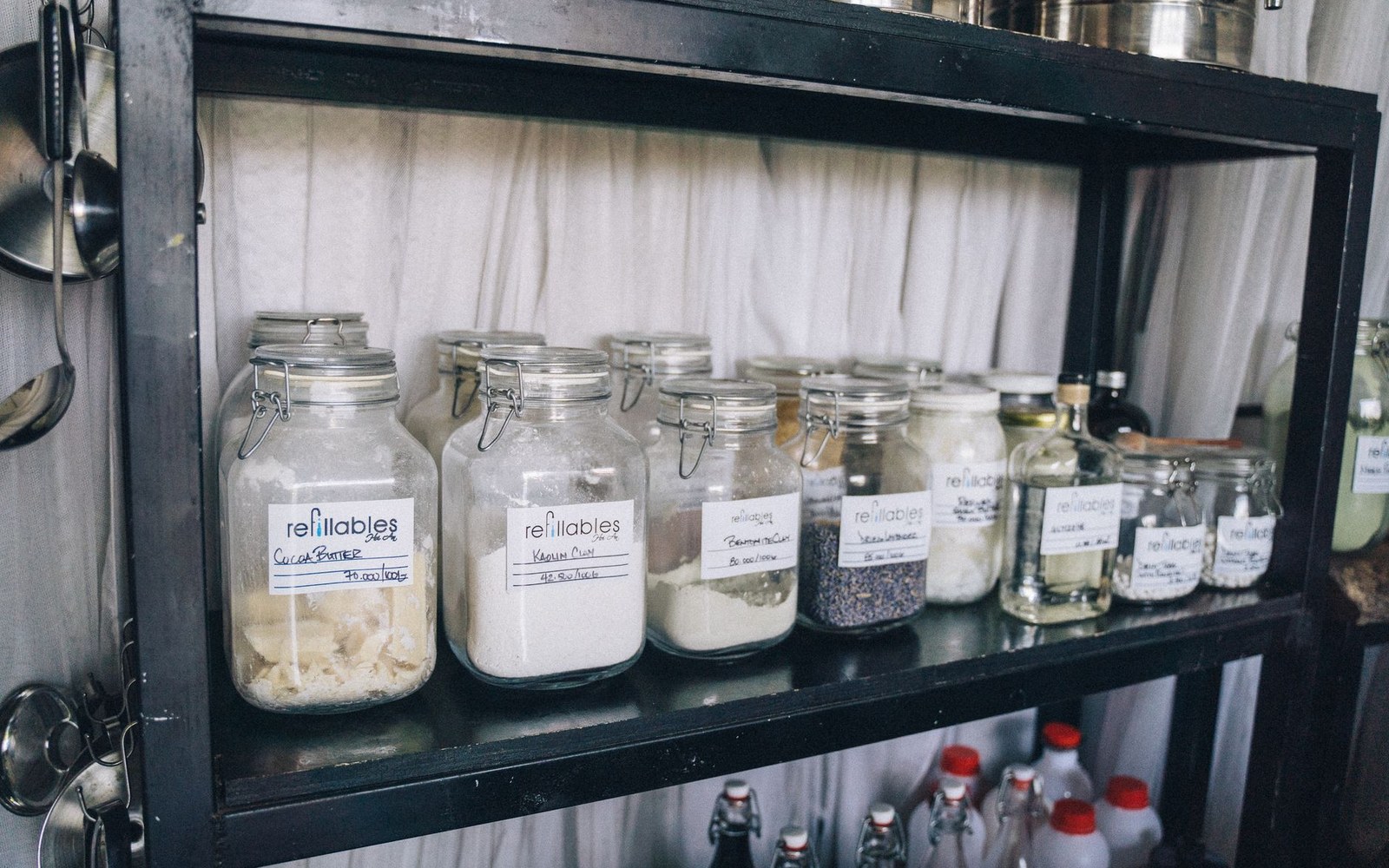
Cold storage is where most of a kitchen’s money sits. What is labelled, dated and used decides food cost more reliably than the menu price does.
Photo: Anna Tarazevich / PexelsAcorns are high in oleic acid — the same monounsaturated fatty acid dominant in olive oil. When pigs metabolise acorns over months, oleic acid is incorporated directly into their adipose tissue. Chemically, the fat of a bellota-finished Ibérico pig can reach oleic acid concentrations above 55 per cent of total fatty acids, figures measurably close to those of high-oleic olive oil. That fat melts at a lower temperature than the saturated fat of a grain-fed pig — just below body temperature — which is why a slice of jamón ibérico de bellota softens and releases its aroma quickly on the palate without being heated.
What the Label Must Mean
Spain's four protected designations for jamón ibérico are Jabugo (Huelva, Andalucía), Dehesa de Extremadura (Extremadura), Guijuelo (Salamanca, Castilla y León) and Los Pedroches (Córdoba, Andalucía). Each DOP governs its own geography, pig genetics, minimum curing times and feed conditions, but all four operate within a national framework established by Real Decreto 4/2014, which created a unified black-label system: jamón ibérico de bellota 100% ibérico — black label — means the pig is purebred Ibérico and pasture-finished on acorns in montanera. A red label still means bellota-finished, but the pig may be a cross (typically 50 or 75 per cent Ibérico, with Duroc the most common other breed). Green label indicates cebo de campo — free-range but not acorn-finished. White label is cebo: indoor, grain-fed.
The montanera date matters to curing houses because slaughter follows immediately after the season closes, and the curing clock starts there. A leg from a pig slaughtered in February requires a minimum of thirty-six months of curing under the most rigorous DOPs. The curing environment — the secadero (drying room) and later the bodega (ageing cellar) — regulates the slow enzymatic breakdown of muscle proteins and the continued development of volatile aromatic compounds. A shorter cure on a bellota leg is not an error; it is a different product with a different flavour register, less of the rancio depth that extended ageing develops.
In the kitchen, these distinctions are practical. A black-label bellota leg, sliced thin, needs nothing; it is a finished ingredient. Fat trimmed from the leg during butchery renders at low temperature into a cooking fat with a clean, unassertive flavour appropriate for sautéed vegetables or as a base for braising. The label is not marketing. It is a production record.
Regulatory structure
- 01Black label — jamón ibérico de bellota 100% ibérico; purebred pig, acorn montanera finish
- 02Red label — bellota-finished; crossbred pig (minimum 50% Ibérico)
- 03Green label — cebo de campo; free-range, not acorn-finished
- 04White label — cebo; indoor, grain-fed
- 05Governing decree — Real Decreto 4/2014 (Spain)