Dashi Is the Shortest Method on the Site
Ichiban and niban, glutamate and heat: two ingredients, one pot, very little time — and almost nothing to go wrong if the temperature holds.
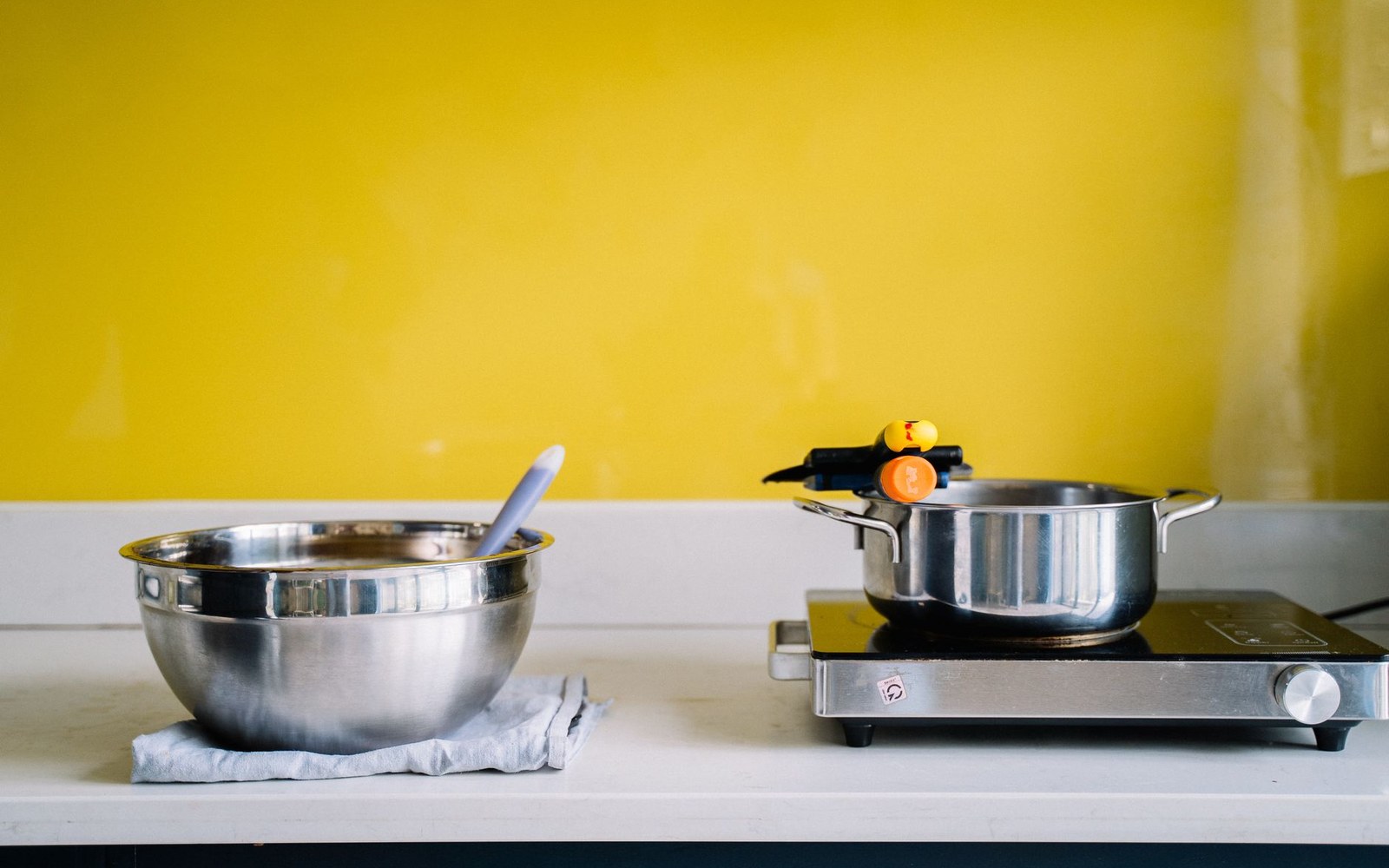
Kombu at 60 °C for ten minutes, katsuobushi steeped and strained: the dashi method written to be followed, with the science of why temperature matters (glutamates degrade above 80 °C).
Photo: Anna Tarazevich / PexelsThe Method, and Why It Works
Kombu — dried kelp, typically Saccharina japonica — releases glutamates into water as it heats. The optimal extraction window sits at 60 °C, held for ten minutes. Pull the temperature above 80 °C and the glutamic acid that gives dashi its clean, savoury depth begins to degrade; the kombu also releases alginates that turn the stock viscous and faintly bitter. A thermometer is not optional here. Start the kombu in cold water, bring it slowly to 60 °C, and hold it there. Ten minutes. Remove the kombu before the water climbs further.
Then the katsuobushi: dried, smoked, fermented skipjack tuna shaved into fine flakes. Bring the liquid to just below a boil — around 90 °C — add the katsuobushi, remove from the heat immediately, and let it steep for two minutes. The flakes sink as they absorb water. Strain through a fine cloth without pressing; pressing extracts bitter compounds. What passes through is ichiban dashi — first dashi, the primary extraction, clear and pale gold, with a pronounced inosinate-glutamate synergy that amplifies perceived umami considerably beyond either compound alone.
Oven temperature, not time, is the control in every method on this site: the number on the dial decides what the heat can do to collagen, gluten or fat.
Photo: Алексей Гвоздев / PexelsThe ratio: 10 g kombu and 20–25 g katsuobushi per litre of cold, soft water. Hard water, high in calcium and magnesium, competes with mineral uptake from the kombu and flattens the result. In areas with hard tap water, filtered water is standard practice in serious kitchens.
What the Second Dashi Does
The spent kombu and katsuobushi are not waste. Returned to fresh water, brought to a gentle simmer and held for fifteen to twenty minutes, they yield niban dashi — second dashi. The extract is darker, less refined, more assertive, with a faint salinity from the kombu's natural mineral content. It carries less of the brightness of the first extraction because the most soluble glutamates are already gone.
Ichiban dashi goes where that clarity matters: clear soups, chawanmushi, delicate sauces where the stock must not assert itself over a garnish. Niban dashi handles braises, simmered vegetables (nimono), miso soup bases — anywhere a more robust, rounder background note is an advantage rather than a liability.

Sourcing sets the ceiling on what a kitchen can cook. Every method here assumes an ingredient that arrived in the state the method expects.
Photo: Kampus Production / PexelsBoth stocks keep refrigerated for two days; the glutamates that make them valuable are water-soluble compounds that diminish with oxidation and time. Make dashi the day it is needed, or freeze it in small volumes the same day.
Twenty minutes, two ingredients, a thermometer. The method is short because there is nothing to hide.
Method at a glance
- 01Kombu — 10 g per litre, cold water start, hold at 60 °C for 10 minutes, remove before 80 °C
- 02Katsuobushi — 20–25 g per litre, added at ~90 °C, steeped off-heat for 2 minutes, strained without pressing
- 03Water — soft or filtered preferred; hard water suppresses extraction
- 04Ichiban dashi — first extraction; clear, pale gold, high umami clarity; use in clear soups, chawanmushi, delicate sauces
- 05Niban dashi — second extraction from spent solids; darker, more robust; use in nimono, miso soup bases, braises
- 06Storage — 2 days refrigerated; freeze same-day for longer hold