Central Organises Its Menu by Altitude
Every course at Virgilio Martínez's Lima restaurant is named for an ecosystem. The sourcing apparatus that makes that possible has no supplier catalogue.
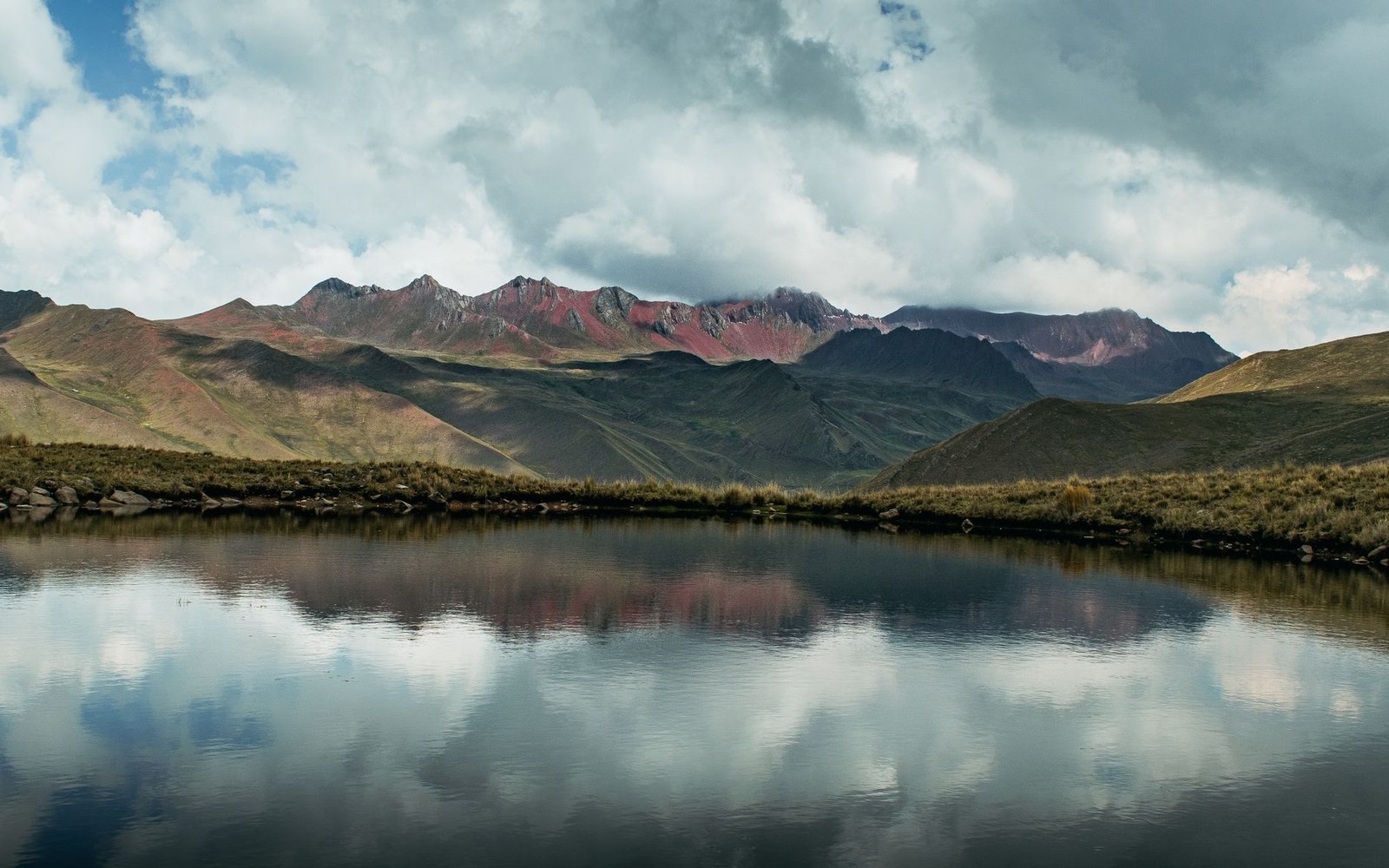
Virgilio Martínez's Central in Lima and the altitude-as-tasting-menu structure: each course named for an ecosystem, from ocean floor to high Andes, and the sourcing network of Mater Iniciativa that makes it possible.
Photo: Jean Pixels / PexelsThe Vertical Larder
Central, on Avenida Pedro de Osma in Lima's Barranco district, structures its tasting menu as a descent through Peruvian ecosystems — or an ascent, depending on the sequence that evening. A course named for an elevation of, say, 3,800 metres above sea level arrives with chuño (freeze-dried potato from the altiplano), cushuro (a cyanobacteria harvested from Andean lagoons), and crops grown in high-cold conditions that no standard produce distributor touches. A course from the ocean floor brings creatures with no common English name and no distribution chain beyond the fisherman who pulled them up off Callao.
The architecture behind this is Mater Iniciativa, the research organisation Martínez runs alongside Central. It is neither a supplier nor a farm: it is a field-documentation project, mapping ingredients by ecosystem, altitude and indigenous community, and translating that fieldwork into kitchen-ready product. Researchers travel to communities at altitude, in the Amazon basin, in coastal desert — and the kitchen's menu changes when the field notes change.
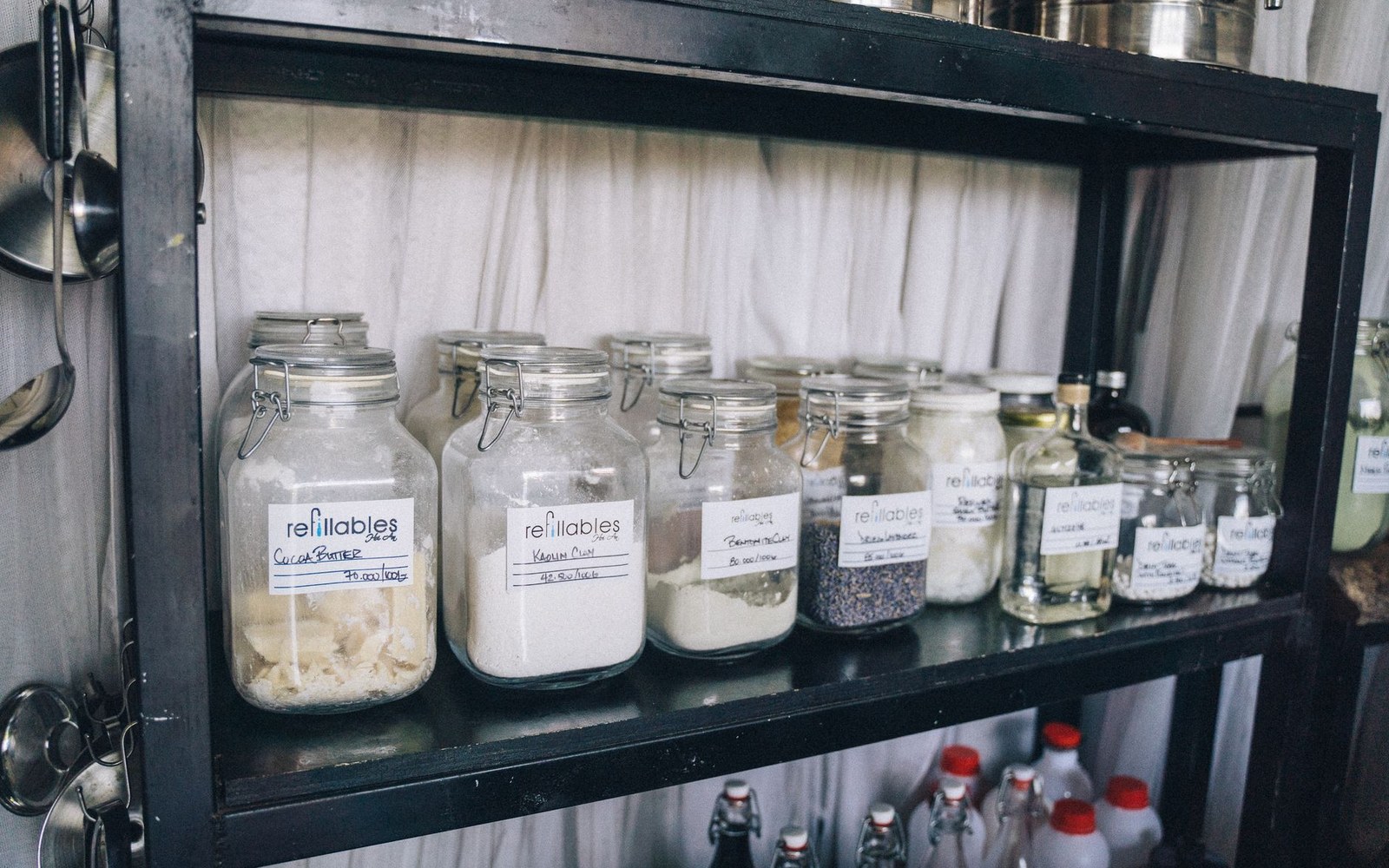
Cold storage is where most of a kitchen’s money sits. What is labelled, dated and used decides food cost more reliably than the menu price does.
Photo: Anna Tarazevich / Pexels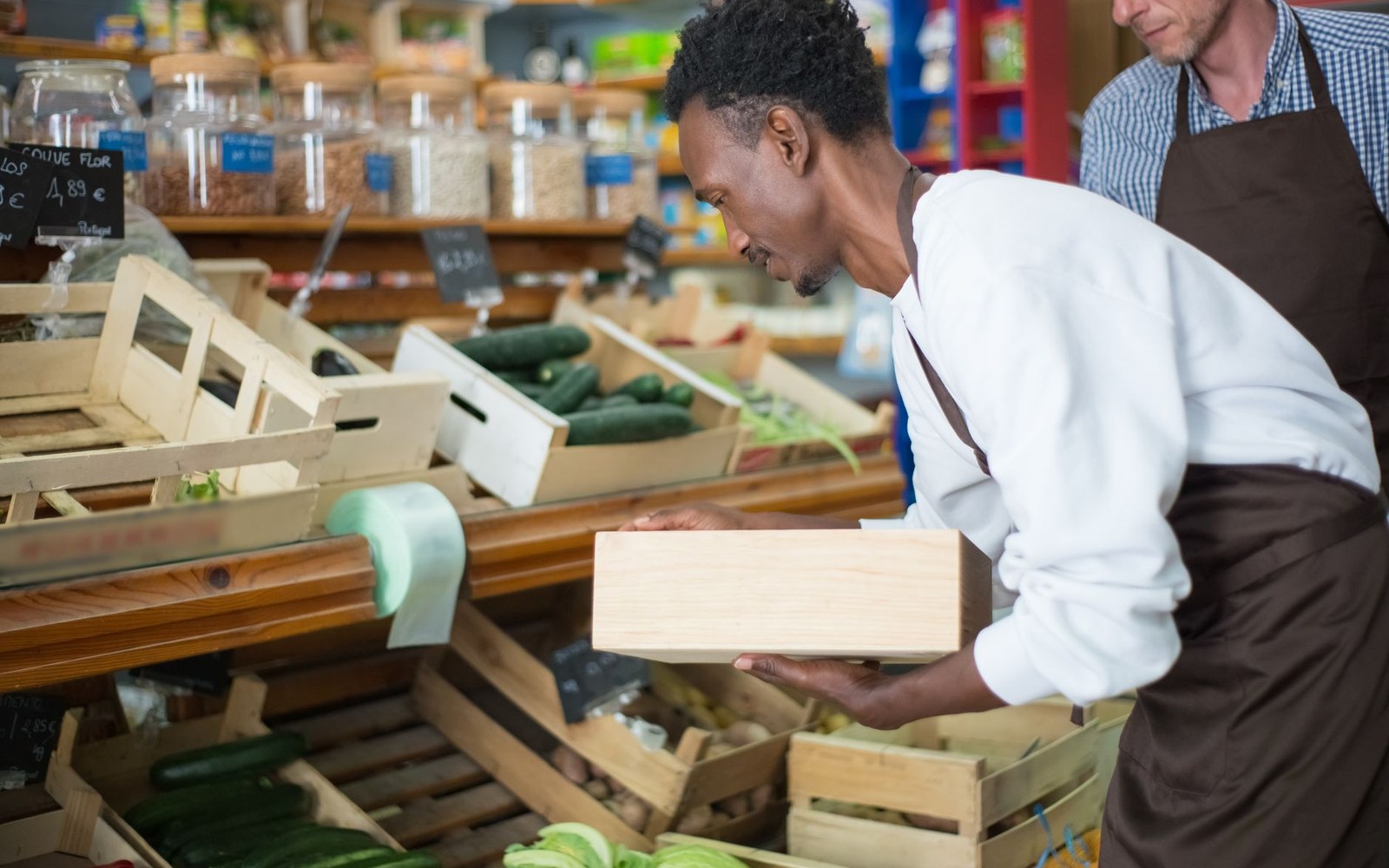
Sourcing sets the ceiling on what a kitchen can cook. Every method here assumes an ingredient that arrived in the state the method expects.
Photo: Kampus Production / PexelsThe economics of running this way are punishing. Food cost percentage — conventionally targeted between 28 and 32 per cent in a full-service restaurant — is harder to control when no ingredient has a fixed contract price. A cyanobacteria harvest depends on weather, water temperature and the willingness of a single Andean community to gather it. Quantities are not guaranteed; substitution is not possible without restructuring the dish concept and its place in the altitude sequence.
The menu itself, which runs to around seventeen courses, commands a cover price that reflects this scarcity and the brigade required to execute it — Central ranked first on the World's 50 Best Restaurants list in 2023, which brings occupancy pressure of its own. A full room every service is almost certain; consistent ingredient supply is not.
What the altitude structure demands, beyond sourcing, is that the kitchen operates without the substitution logic most brigades rely on. When a highland crop fails or a lagoon-harvest is late, a course disappears or the whole sequence shifts. That is a different relationship between menu and mise en place than the one Escoffier's brigade system was built around. Central's cooks are not executing a fixed repertoire; they are executing whatever Mater found last month.
The sourcing logic
- 01Mater Iniciativa — the field-research organisation that maps Peruvian ingredients by ecosystem and altitude, and feeds findings directly into Central's menu
- 02Chuño — freeze-dried potato, a pre-Columbian preservation technique from the high Andean altiplano; not available through standard produce distribution
- 03Cushuro — a cyanobacteria (Nostoc) harvested from high Andean lagoons; a wild-gathered product with no guaranteed seasonal yield