The Sourdough Bakery Solved One Problem and Created Three Others
The bakery model trades one set of restaurant economics for a different, equally punishing one.
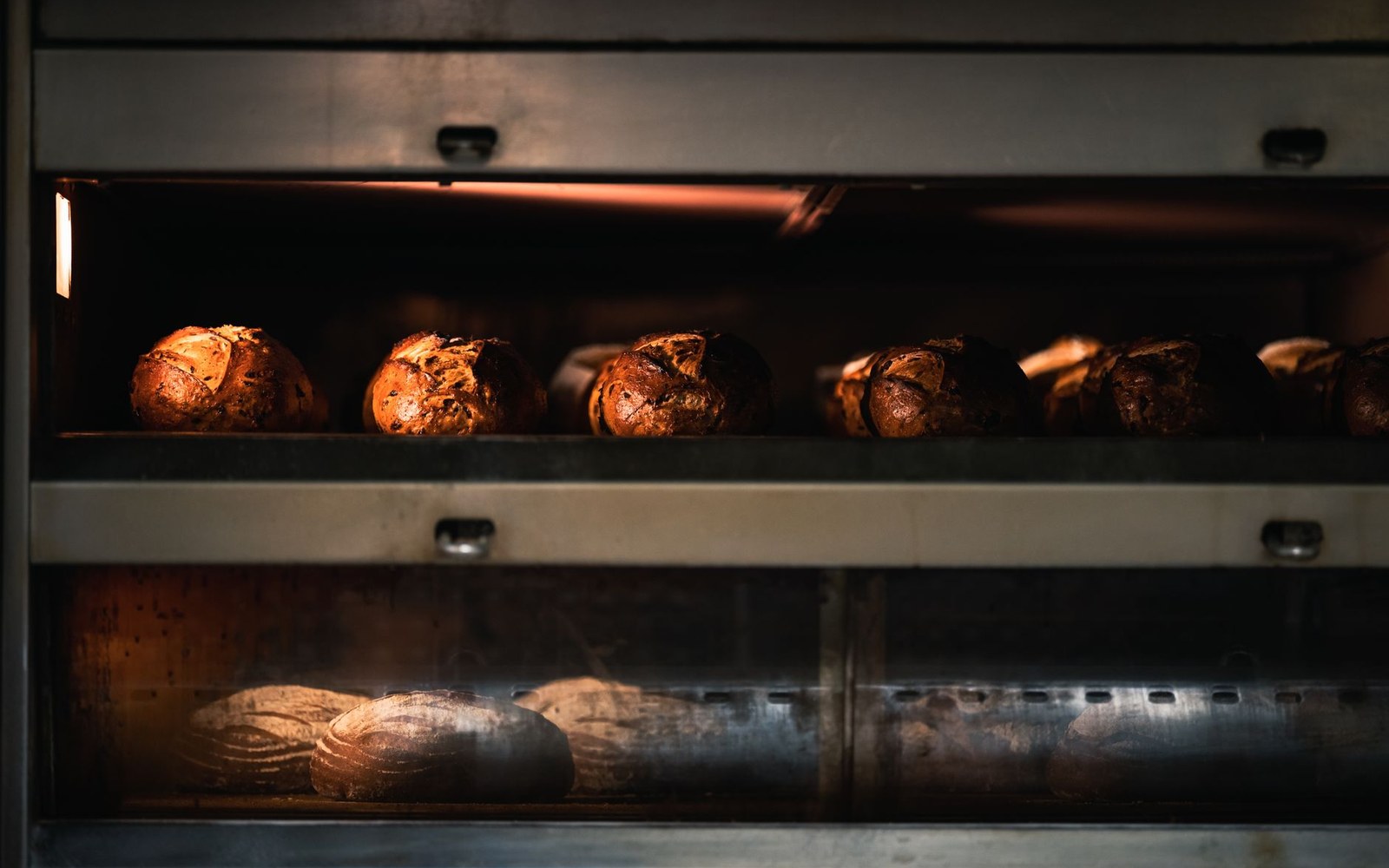
Why It Looks Like an Escape
A sourdough bakery closes by noon, carries no front-of-house payroll beyond a counter person, and sells product at cost-plus pricing rather than the theatrical margin required by a tasting menu. Food cost percentage runs high — bread is flour, water, salt and a levain — but the absence of a brigade, wine program and late-night service means overheads read, at first glance, as manageable. Several chefs who burned out of full-service restaurants have moved exactly here: the shift pattern is brutal but bounded, and the product is real and repeatable.
Where the Model Breaks
The three problems arrive together. First, real-estate cost per square foot is if anything higher for a bakery than a restaurant, because a deck oven, proofer and walk-in cold-room require significant floor area before a single loaf is shaped. That square footage generates revenue for roughly four hours a day. Second, equipment depreciation is steep and invisible until it isn't: a commercial deck oven depreciates over roughly ten years and costs several thousand pounds to replace an element; that liability rarely appears in a bakery's opening projections. Third, the baker's hours are what the restaurant industry's evening shift merely gestures at. Mixing begins at two or three in the morning; baking labour is among the most physically demanding in food production, and the staffing pool willing to work those hours for bakery wages is genuinely thin.
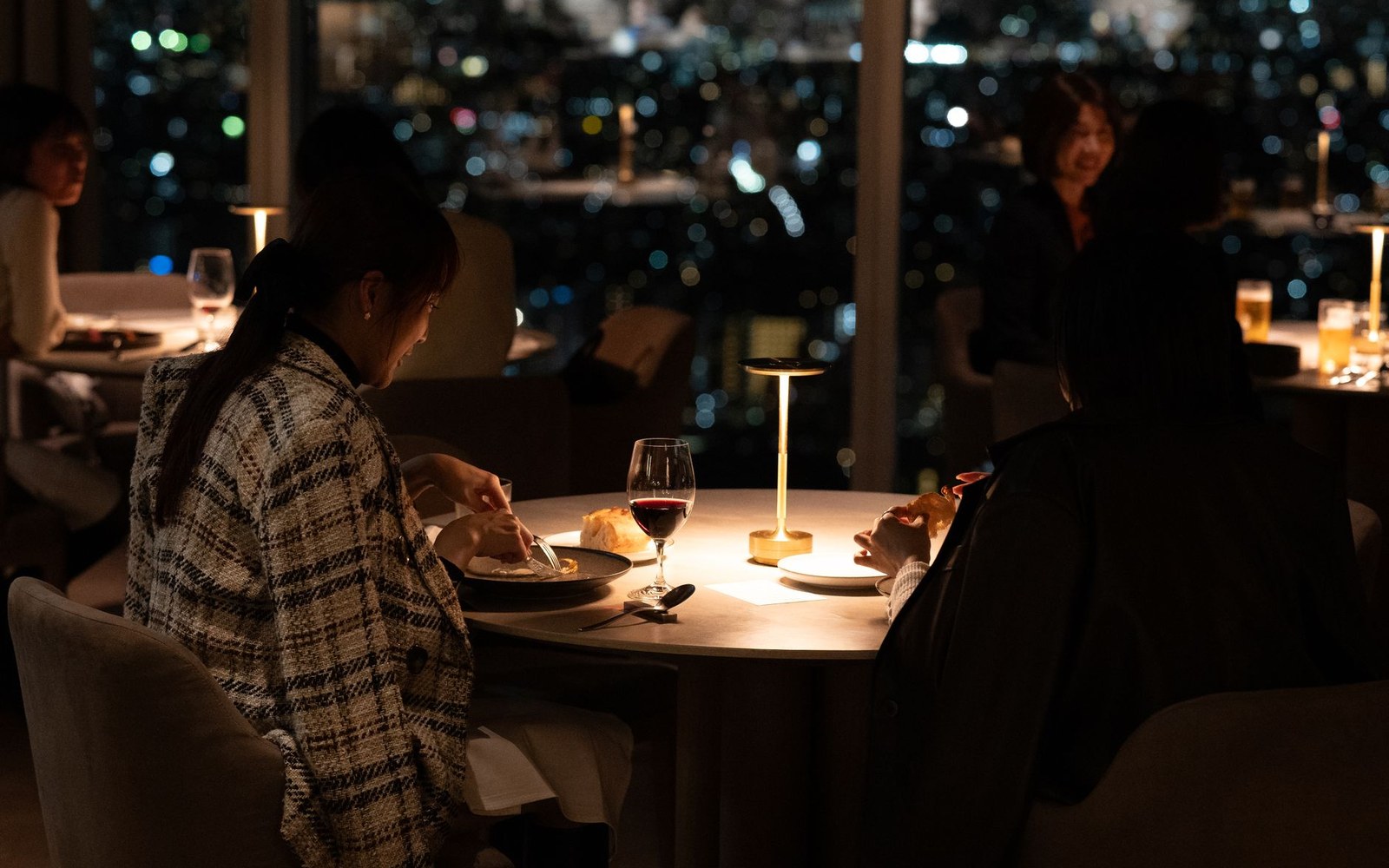
A full room is a necessary condition and not a sufficient one. What the seats earn has to clear food cost, wages, rent and service before anything remains.
Photo: Szymon Shields / Pexels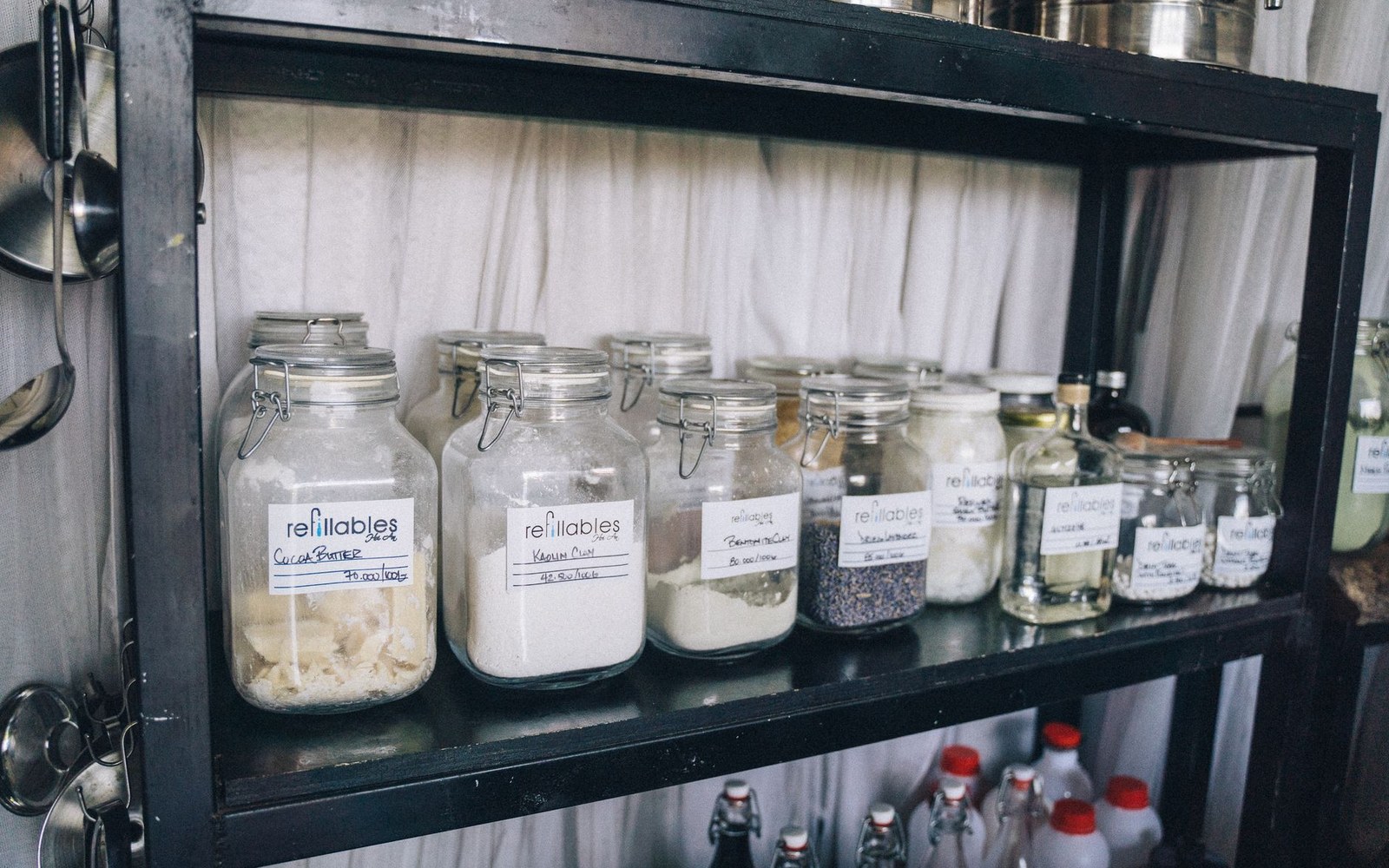
Cold storage is where most of a kitchen’s money sits. What is labelled, dated and used decides food cost more reliably than the menu price does.
Photo: Anna Tarazevich / PexelsWhat Passes Between the Two Worlds
The restaurant and the bakery are not separate economies. Bread has always subsidised covers in the other direction — wholesale accounts to local restaurants generate the volume that keeps a small bakery's mixer running. Septime in Paris and Lyle's in London both developed tight sourcing relationships with nearby bakeries precisely because the restaurant's consistent order gave the bakery its baseline. The lesson runs both ways: a bakery without a wholesale line is a retail shop with a three-hour trading window and a twenty-thousand-pound oven.
Key numbers
- 01Bakery trading window: typically 3–4 hours retail
- 02Commercial deck oven economic life: approximately 10 years
- 03Wholesale accounts: often essential for daily volume targets
- 04Baker's start time: commonly 2–3 a.m.