A Five Per Cent Brine, Two Days at 18 °C
Salt concentration and time determine not just flavour but function — what the pickle can do inside a dish.
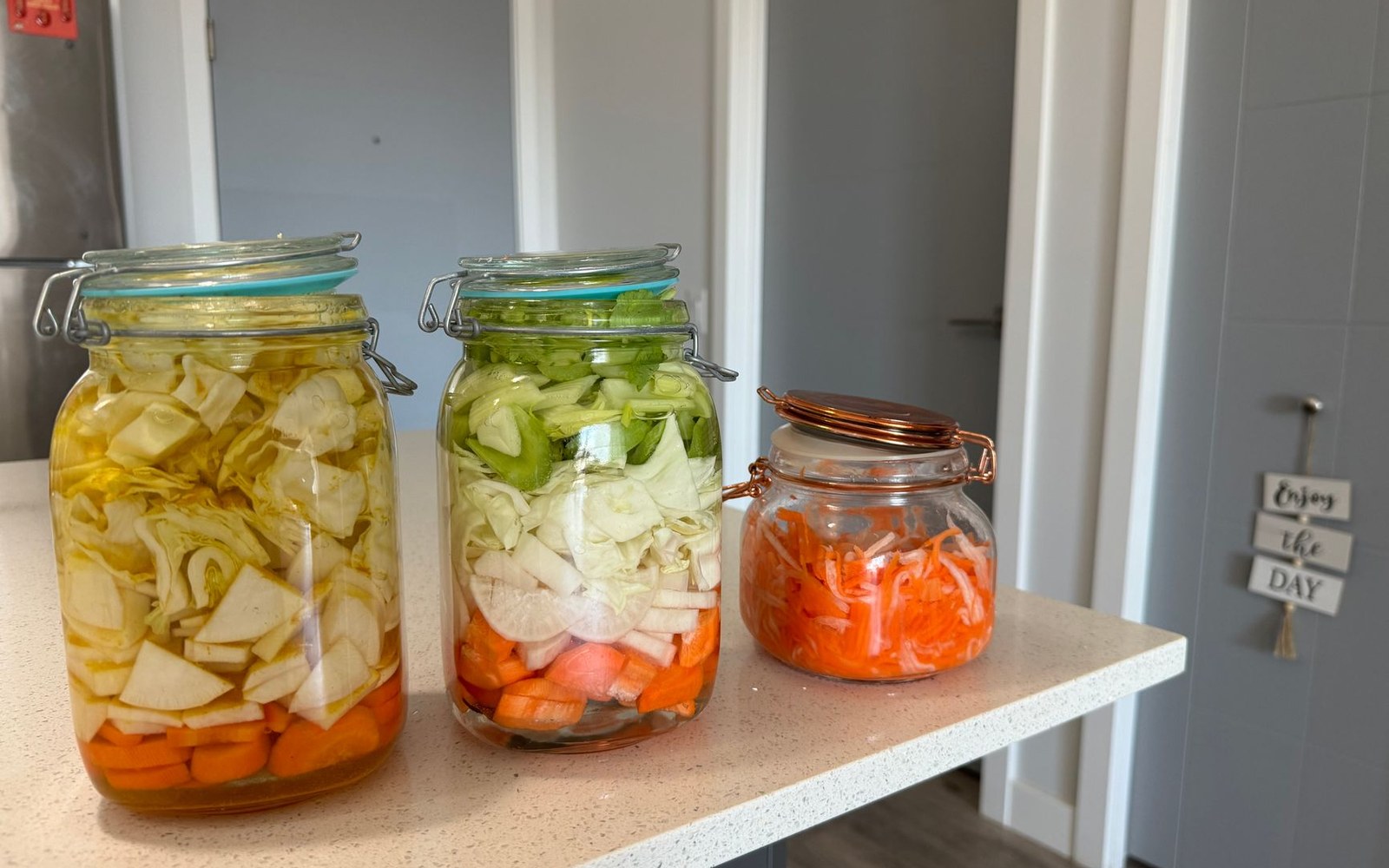
Pickling ratios explained through a single worked example — a five per cent brine at room temperature — then extended to vinegar-based quick pickles and lacto-fermented vegetables.
Photo: Hanna M / PexelsThe Ratio and What It Controls
A five per cent brine by weight — 50 g fine salt dissolved in one litre of water — is the working centre of lacto-fermented pickling. It is strong enough to suppress competing microbes while allowing naturally present lactobacillus bacteria to convert the vegetable's sugars to lactic acid. Held at 18 °C, that process takes roughly 48 hours for a dense vegetable, like fennel or carrot cut to 4 mm slices; leafy material moves faster. The result is sour, complex and alive: pH will drop to around 3.5, which is self-preserving without any added vinegar or heat.
Drop to three per cent and fermentation accelerates, the window for error narrows, and the finished pickle is softer texturally because the lower osmotic pressure draws less moisture from the cell walls early in the process. Go to seven per cent and lactobacillus activity slows sharply; you get a more controlled, slower sour and firmer texture, closer to the long-cure end of the spectrum — useful for something that needs to sit for weeks rather than days.
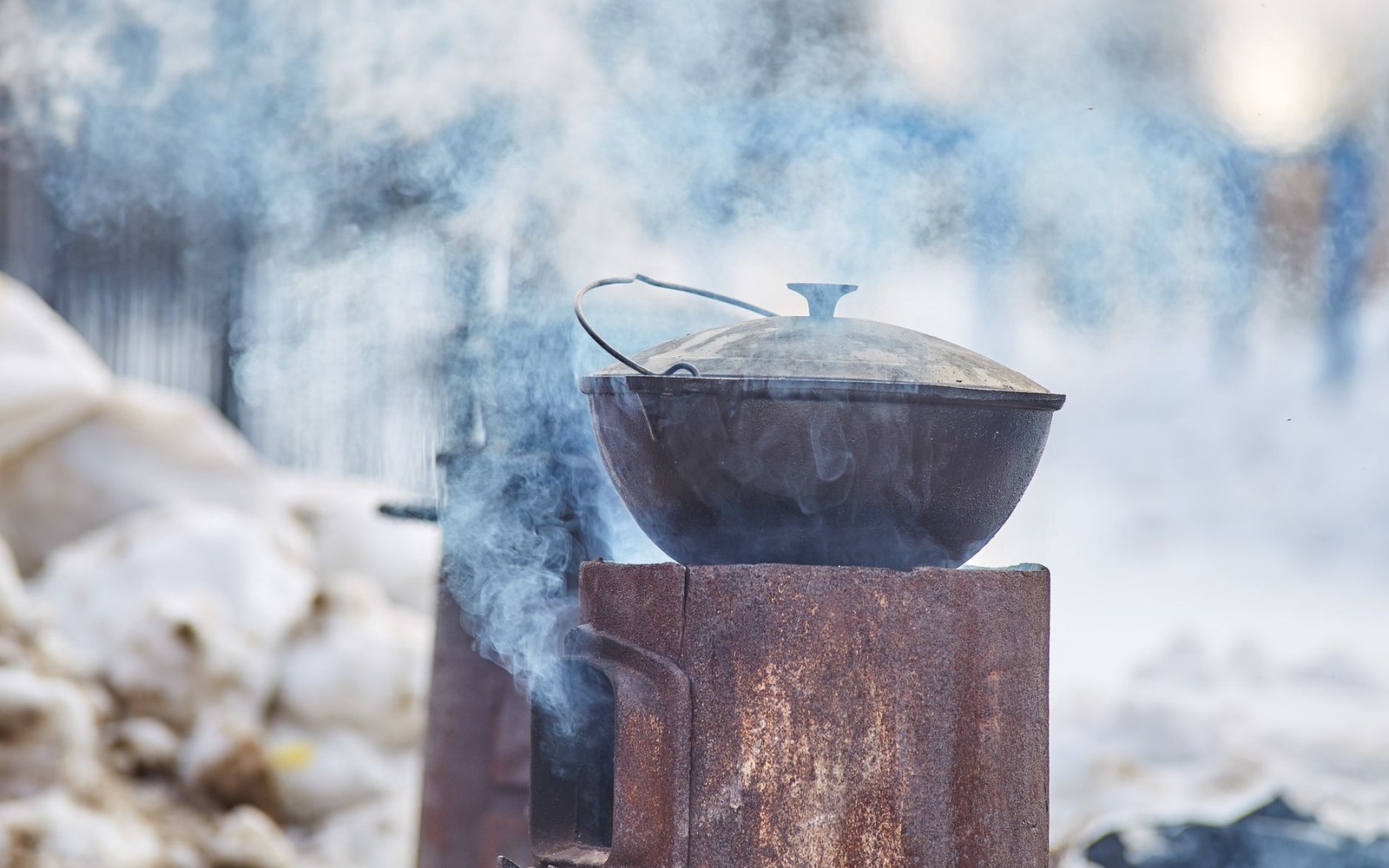
Oven temperature, not time, is the control in every method on this site: the number on the dial decides what the heat can do to collagen, gluten or fat.
Photo: Алексей Гвоздев / Pexels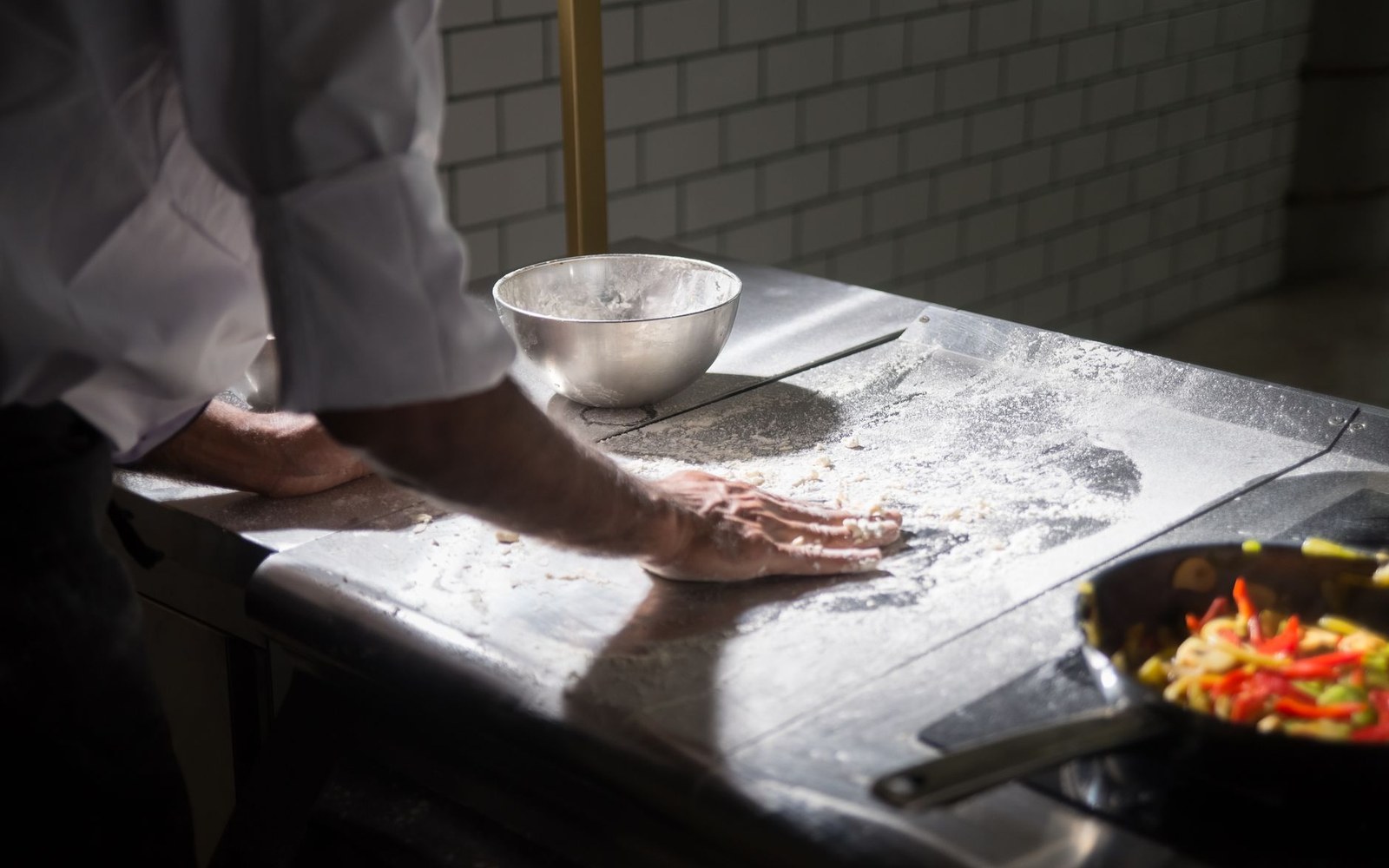
Steel, a scraper and a bench: the equipment list for most of what follows is short, and the variable that matters is a temperature held over hours.
Photo: Kampus Production / PexelsQuick Pickle vs. Ferment: Different Tools
A quick pickle — four per cent acetic acid white wine vinegar, one per cent sugar, one per cent salt, brought to a simmer and poured hot — acidifies instantly. The texture holds if the vegetable goes in firm and comes out within an hour. But the result is dead: no microbial activity, a flat acidity that reads sharp rather than round. It is the right choice when the goal is textural contrast and brightness delivered the same service — cucumber at a tart's edge, shallot through a tartare.
The lacto-fermented version, by contrast, builds glutamates as proteins break down under enzymatic action. That is why a two-day fennel pickle reads differently from a vinegar-blanched one: the acid is accompanied by savouriness and a faint effervescence. The Noma fermentation lab's documented work on lacto-ferments pushed this line of thinking into professional kitchens systematically, but the underlying microbiology is the same that drives every kraut and kimchi made before that.
In use, the fermented pickle lengthens a sauce, integrates with fat, and holds across a service. The quick pickle cuts and fades. Both are correct — ratio decides which you need.
Key ratios at a glance
- 013% brine — fast, fragile fermentation; softer texture; short window
- 025% brine — standard lacto-ferment; 48 hrs at 18 °C; pH ~3.5; self-preserving
- 037% brine — slow ferment; firmer texture; weeks-long stability
- 04Quick pickle ratio — ~4% acetic acid / 1% sugar / 1% salt, hot pour, same-service use