Duck Legs, Salted for a Day, Then Six Hours at 85 °C
Confit is a fat bath, not a flavour treatment. The fat transfers heat gently and excludes air; that is the mechanism.
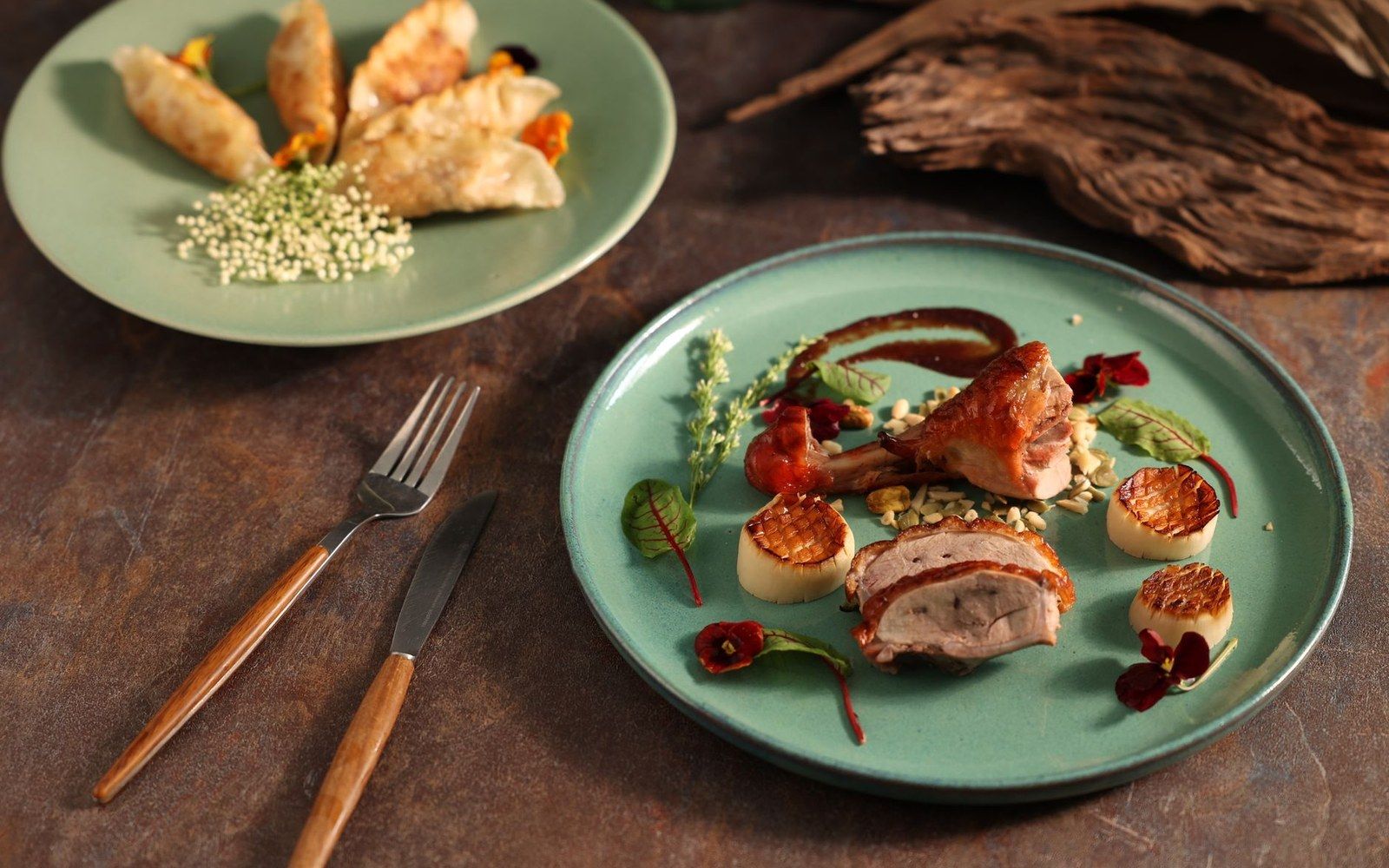
The confit method written as a sequence: what the fat is actually doing (heat transfer, not flavour alone), why 85 °C is the number, and how long a sealed jar of finished confit will keep in a cold room.
Photo: Steven Lee / PexelsWhat the Fat Is Actually Doing
A duck leg submerged in rendered duck fat at 85 °C is cooking in a medium with a specific heat capacity roughly twice that of air and with zero evaporative loss. The fat maintains even, consistent temperature contact across the entire surface of the leg — no hot spots, no drying, no Maillard reaction yet. That last part matters: browning is reserved for the pan at the end, not the pot now.
The real work at 85 °C is collagen conversion: the dense connective tissue in the leg, particularly around the joint and running through the thigh muscle, dissolves progressively into gelatin over the course of several hours. Below 70 °C, the process is too slow to complete in a practical kitchen window. Above 95 °C, the muscle fibres contract aggressively, squeezing out moisture and producing the stringy, dry result that distinguishes a boiled leg from a confited one. Eighty-five degrees is the number because it sits in the narrow band where collagen softens fully and muscle proteins set firmly without seizing.
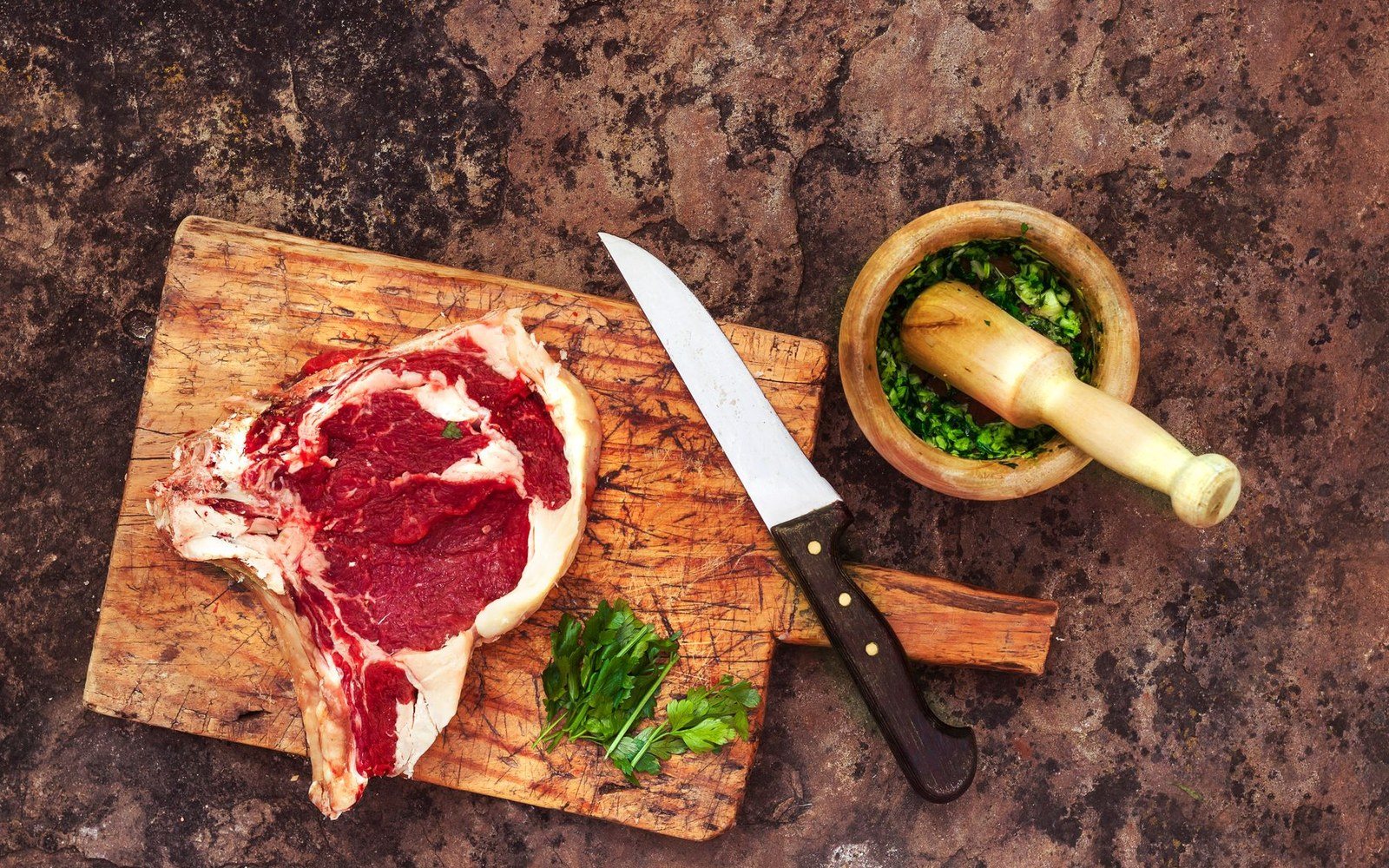
Butchery decides the cut, and the cut decides the method. A bone left in changes both the cooking time and the finished sauce.
Photo: Zakhar Vozhdaienko / Pexels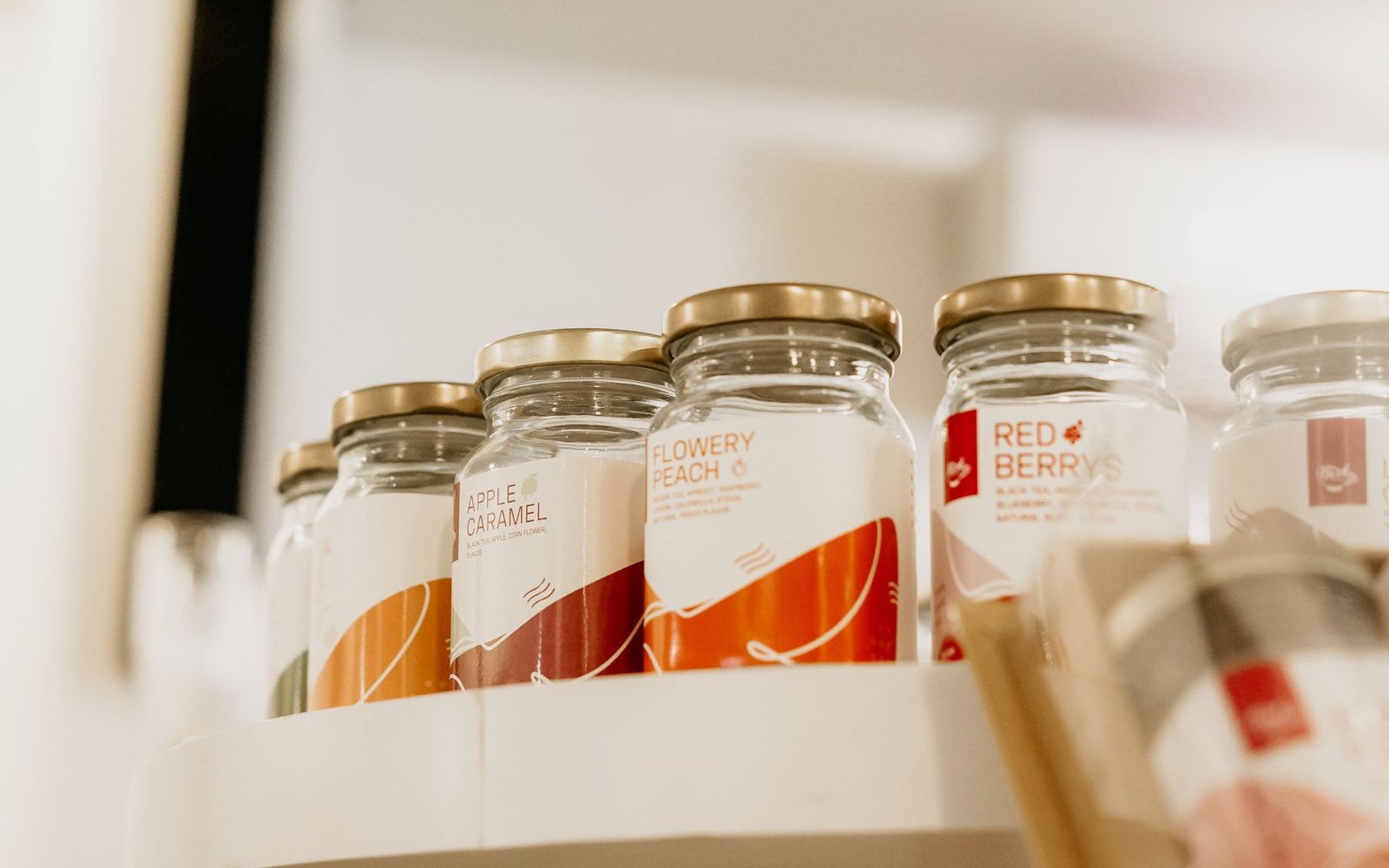
A ferment is a method that runs without a cook standing over it — which is why the ratio, the temperature and the date on the label do all the work.
Photo: Yuwanda Sandhi / PexelsSix hours at that temperature is not arbitrary either. A duck leg is a working muscle — the bird walks on it — and the connective tissue load is higher than in, say, a breast. Five hours at 85 °C will soften the meat; six hours will make the joint pull cleanly and the flesh yield under a spoon. Beyond eight hours at the same temperature, texture begins to degrade.
Salt First, One Day
The cure is not a flavour step bolted on as an afterthought. Twenty-four hours under coarse salt — at roughly 2.5–3 per cent of the leg's weight — draws surface moisture, denatures a thin layer of protein, and seasons the flesh to depth. Some kitchens add a little thyme, bay and black pepper to the salt; the aromatics contribute, but they are secondary to the salt's structural effect.
Rinse the salt off before cooking. Pat the legs dry. Any residual brine on the surface will steam in the fat, causing the temperature in the pot to fluctuate and introducing water into what should remain a stable fat medium. Dry legs in dry fat.
The fat itself: rendered duck fat is standard, and in Gascony, the Gers department has produced duck confit from its own Moulard crosses for centuries, using the fat rendered from the same birds. Outside that tradition, lard is a workable substitute. Olive oil is not: its flavour profile is mismatched to this method.
The Jar and the Cold Room
Finished confit — legs fully submerged in their cooking fat, sealed into sterilised jars — will keep in a cold room at 3–4 °C for several weeks to a few months, provided the seal holds and the fat cap is unbroken. This is the original logic of the technique: before mechanical refrigeration, a sealed jar of duck legs in their own fat was stable winter storage in a farmhouse larder. The fat cap excludes oxygen; in its absence, the spoilage organisms that need it cannot act.
Once the jar is opened, the clock resets. A leg lifted from cold fat should be used within two to three days. For service, lower the cold leg into a dry, heavy pan over medium-high heat, skin side down, and render until the skin is mahogany and brittle — eight to ten minutes without moving it. The interior is already cooked; this step is purely textural. The fat released from the skin goes back into the storage pot.
The dish reads as luxurious because the texture is extreme — that deep softness from completed collagen conversion, the shatteringly crisped skin — but the economics are not. Duck legs are among the cheaper cuts, the fat is reusable across many batches, and the preserved shelf life reduces waste. Confit survives because it solves multiple kitchen problems at once: preservation, yield, and a finish so controlled it barely varies.
Method at a glance
- 01Salt weight — 2.5–3% of the leg's weight, applied dry, 24 hours under refrigeration
- 02Temperature — 85 °C, held consistently for 6 hours
- 03Fat — rendered duck fat; legs must be fully submerged throughout
- 04Storage — sealed, fat-capped jars at 3–4 °C; several weeks if seal remains intact
- 05Service — skin-side down in a dry pan, 8–10 minutes, no movement