Chez Panisse Drew the Californian Line in 1971
The restaurant that named its farms before naming its dishes rewired American professional cooking — and the supply chains that feed it.
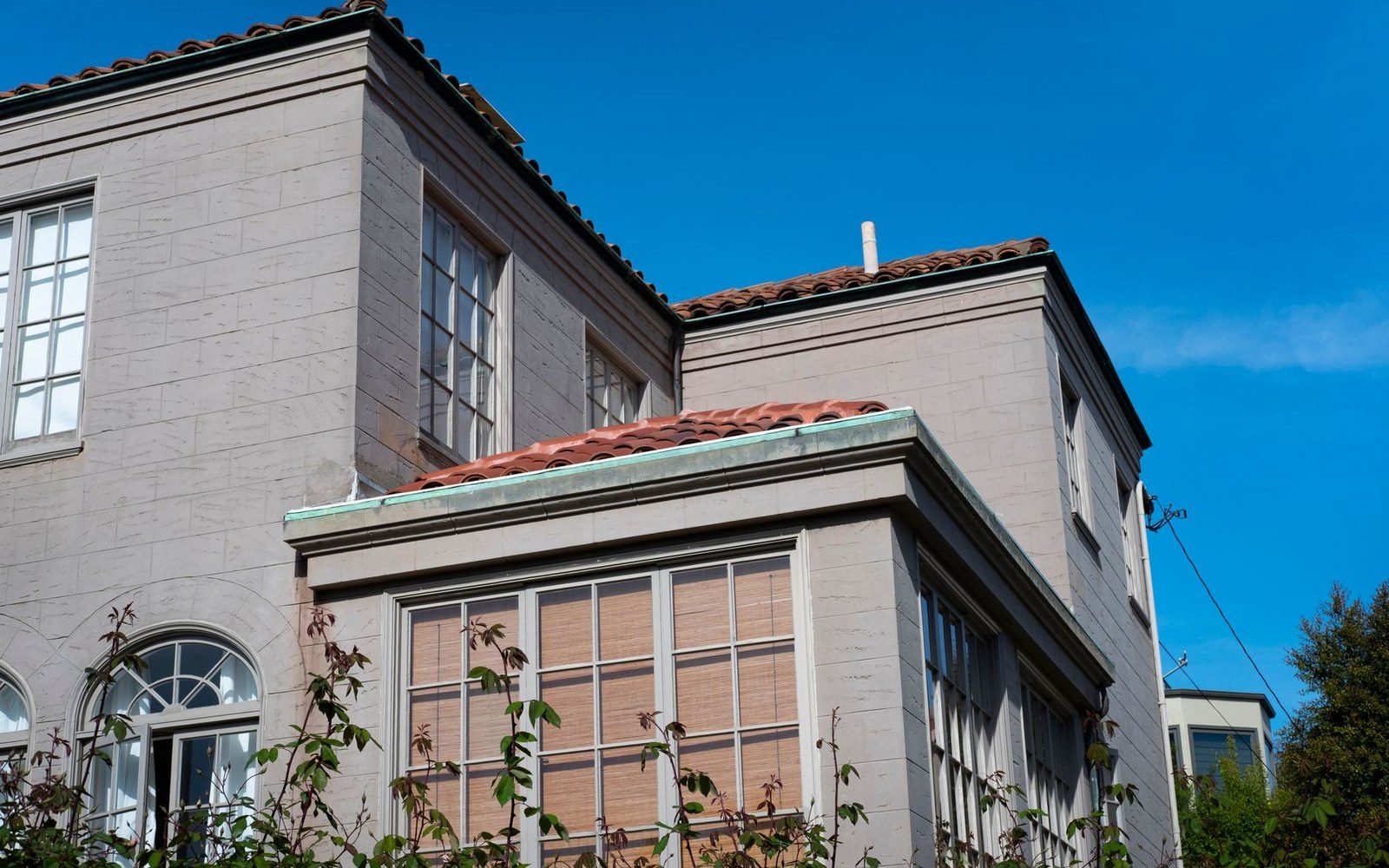
Alice Waters opened Chez Panisse in Berkeley and built a sourcing philosophy — named farms, seasonal menus, no freezer — that became the template for a generation of American cooking.
Photo: David McElwee / PexelsWhat the Opening Actually Required
Alice Waters opened Chez Panisse in Berkeley, California on 28 August 1971 with a fixed-price menu, a single room, and a founding conviction that the ingredient was the dish. The prix-fixe format was borrowed from the French countryside — from the kind of meals Waters had eaten during her time in France — but the sourcing logic was entirely new in an American context. No freezer. No broadline distributor. Named farms, named growers, a menu that changed daily because the produce changed daily.
That last constraint had structural consequences the kitchen felt immediately. A changing menu means no accumulated prep buffer, no amortising a staff against repetitive work. Every service is, in effect, an opening night. The brigade has to be flexible rather than specialised, capable of reading a delivery and building a plate around it rather than executing a fixed sequence. Escoffier's brigade de cuisine, built for repetition at scale, bends badly under that condition. Chez Panisse never ran a deep brigade; it ran a small, skilled one oriented toward improvisation within a discipline.
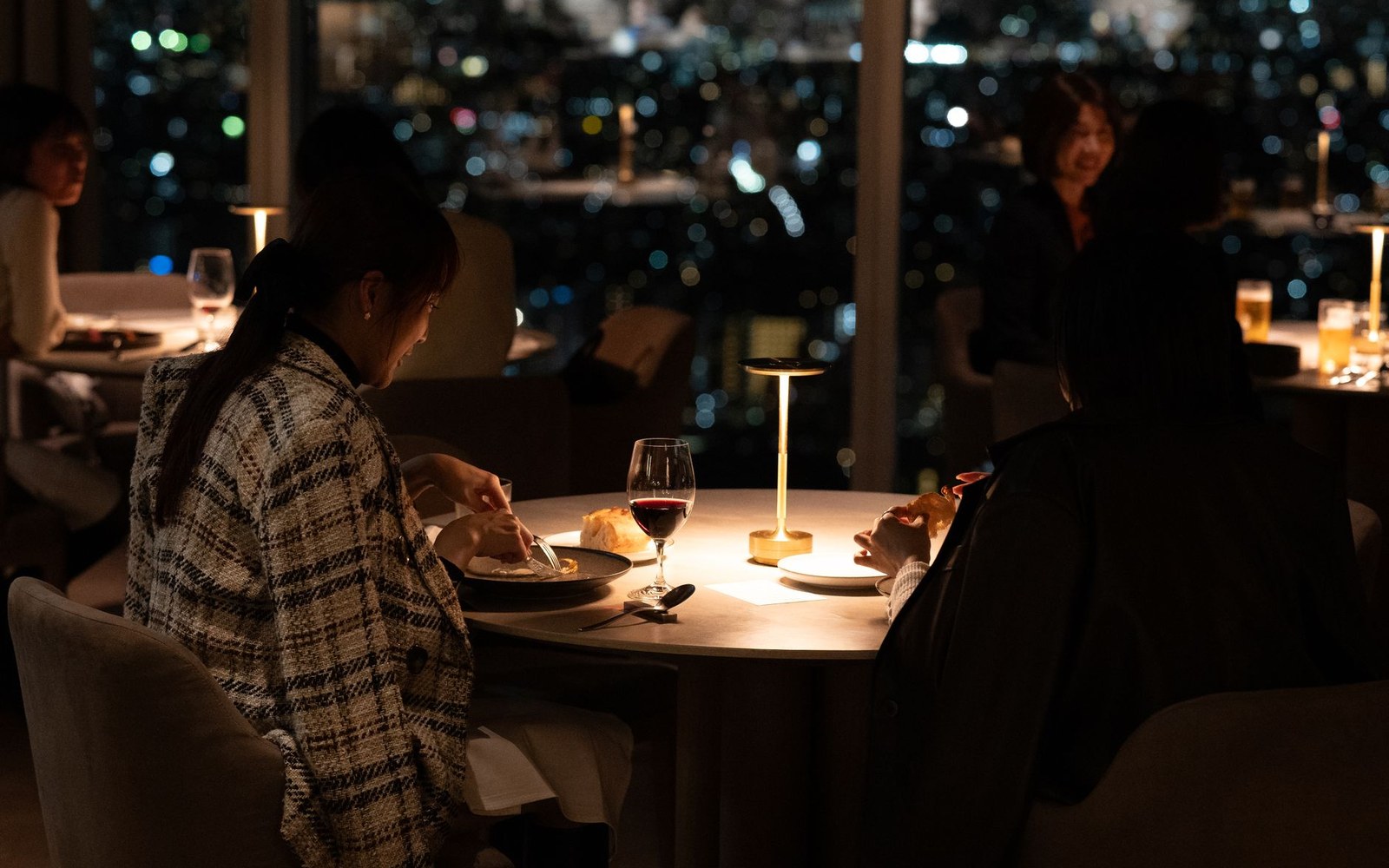
A full room is a necessary condition and not a sufficient one. What the seats earn has to clear food cost, wages, rent and service before anything remains.
Photo: Szymon Shields / PexelsThe supply side took years to build. Waters and her kitchen worked with farms in the surrounding Bay Area and broader California, developing direct relationships with growers who would sell small quantities of produce picked at genuine maturity rather than for shelf life. Cannard Farm became one of the most cited of those relationships. By the mid-1970s the sourcing network was dense enough to be described as a template — though at the time it had no name and no manifesto. The manifesto came later, when other kitchens started working out what they were doing and tracing it back.
The Line It Drew and Who Crossed It
The cuisine that emerged from that sourcing model is often called California cuisine, a label that obscures as much as it clarifies. What it actually denotes is cooking whose aesthetic logic flows from ingredient quality rather than classical technique: preparations that stay close to the raw material, heat applied to reveal rather than transform, sauces built from the pan rather than from a mother stock. The wood-fired oven in the Café upstairs — a more casual room Waters added above the original dining room in 1980 — made that argument in hardware. Flame-cooked vegetables, bread with char, meat finished over live fire: technique in service of ingredient, not the reverse.
The kitchens that came out of Chez Panisse — and the number is substantial — carried that logic into new territory. Judy Rodgers at Zuni Café in San Francisco, Jonathan Waxman in New York, Jeremiah Tower, who ran the Chez Panisse kitchen in its formative years before departing in 1978: these were cooks who absorbed the sourcing premise and applied it with their own technical inflections. The ingredient-led structure also prepared the American kitchen for what René Redzepi would codify in a Scandinavian register thirty years later — terroir as menu architecture, foraging as supply chain, the season as the deciding authority.
The supply chain consequences were as durable as the culinary ones. Farmers' markets in California grew substantially from the late 1970s onward, in part because restaurants willing to pay farm-gate prices for premium produce created the economic justification for small growers to sell direct. The USDA now tracks more than 8,000 registered farmers' markets across the United States; the causal line from Berkeley is long but traceable.
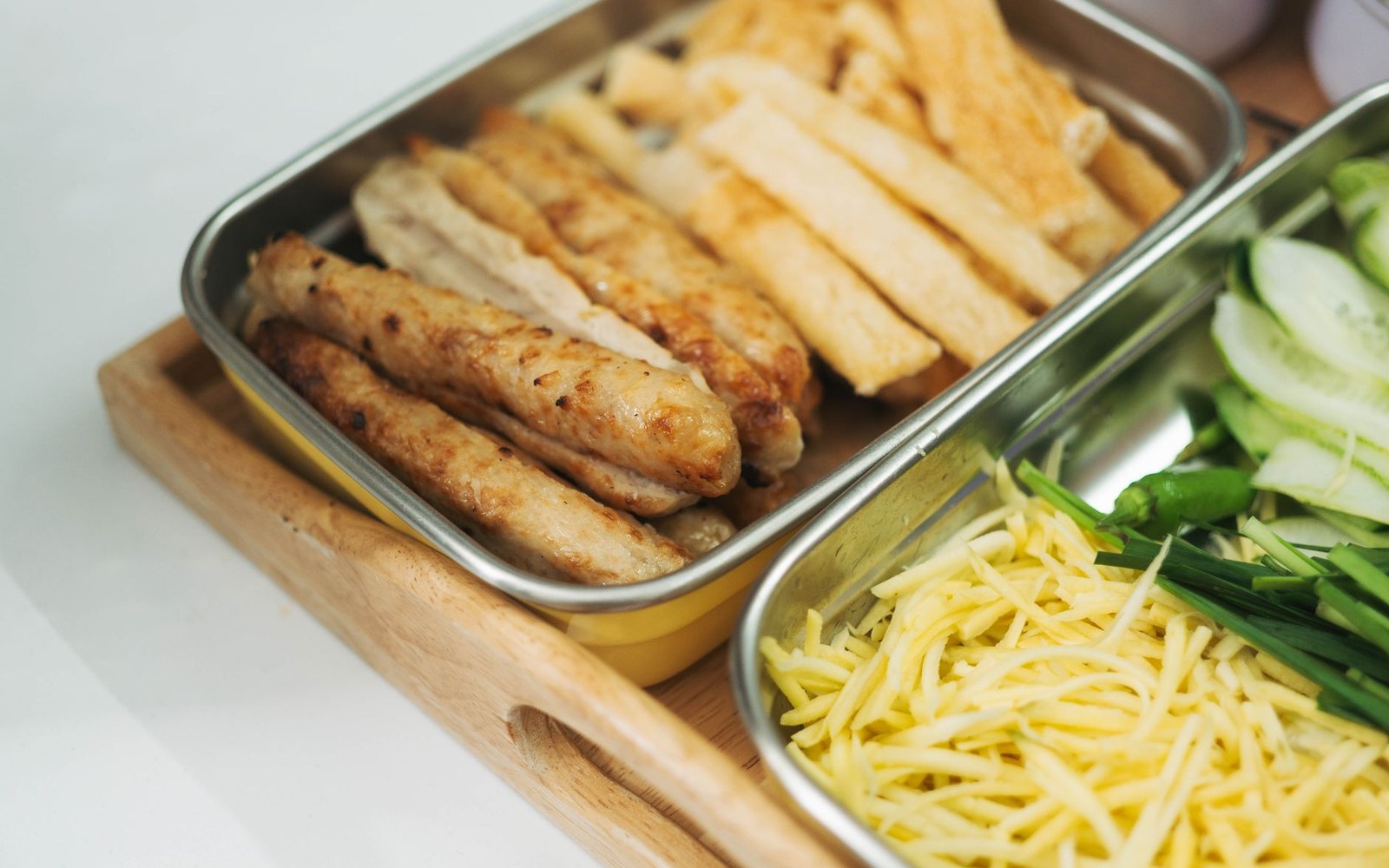
Nothing on a pass is weighed during service. Quantities are settled hours earlier, in containers, which is why a written ratio matters more than a written recipe.
Photo: FOX ^.ᆽ.^= ∫ / PexelsThe Economics of the Premise
None of this was cost-neutral. A fixed-price, daily-changing menu built around premium produce requires that food cost percentage be managed against high ingredient spend rather than low. Chez Panisse's model worked because the tasting-menu cover price could absorb it — the restaurant upstairs runs a single nightly menu at a price point that reflects the sourcing. The café format above relaxed the constraint without abandoning it: à la carte, lower price, same named farms.
What the model could not do was scale without replication. Every kitchen that adopted the Chez Panisse premise had to rebuild its own supply network from scratch. That is both the limitation and the point: the sourcing relationship is specific, local, and non-transferable. That specificity is what gives the plate its meaning.
Chronology
- 28 August 1971Chez Panisse opens in Berkeley, California
- 1978Jeremiah Tower departs; marks end of the restaurant's formative kitchen period
- 1980The upstairs Café added above the original dining room
- Late 1970s onwardCalifornia farmers' market growth accelerates; USDA tracking shows more than 8,000 registered markets nationally by the 2020s