Alice Waters Named the Farms and Rewrote the Order Form
The daily-changing menu at Chez Panisse was not a hospitality gesture. It was a supply-chain decision.
Waters's sourcing practice at Chez Panisse — named growers, daily-changing single-page menus, no produce held over — as an operational decision as much as a philosophical one.
Photo: Alexey Demidov / PexelsWhat Cooking to Availability Actually Requires
When Alice Waters opened Chez Panisse in Berkeley in 1971, the founding operational constraint was that the kitchen would cook what arrived, not hold ingredients to satisfy a fixed menu. A single-page menu, changed daily, meant the order form moved in the opposite direction from every other restaurant of the era: instead of specifying a commodity and finding whoever could fill it cheapest, the kitchen called the grower first, learned what was ready to harvest that week, and wrote the menu around the answer.
The practical consequences were immediate and structural. Produce could not be held in the walk-in as buffer stock. Ordering had to be accurate, because over-ordering a perishable with no secondary use on the menu meant waste and direct food-cost damage. This forced genuine relationships with individual farms — not distributors acting as intermediaries, but named growers whose harvest schedules the kitchen tracked directly. By the early 1980s, Chez Panisse was purchasing directly from farms including Bob Cannard's Green String Farm in Sonoma County, a relationship documented in the farm's own history as one of the first restaurant-direct accounts in Northern California.
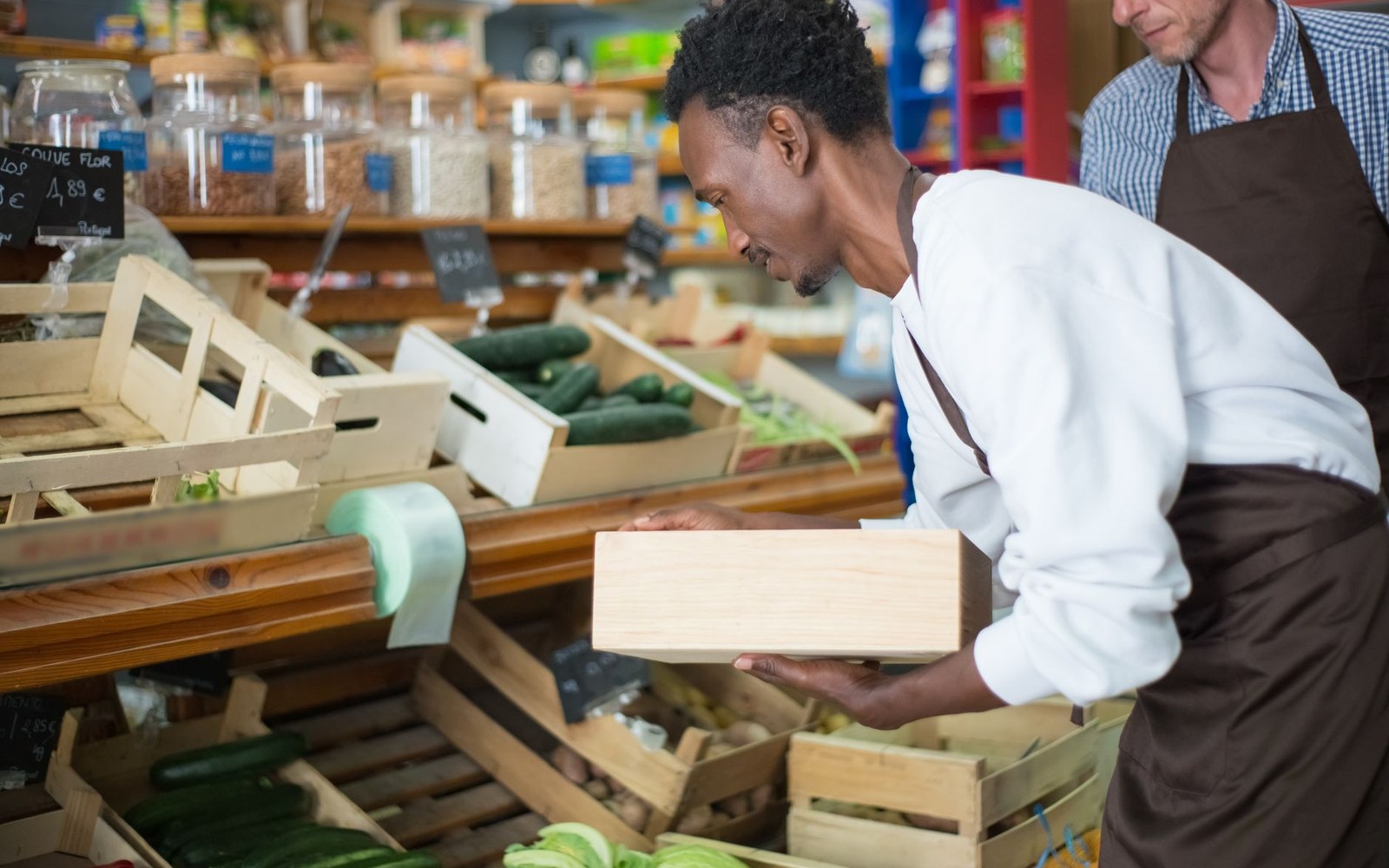
Sourcing sets the ceiling on what a kitchen can cook. Every method here assumes an ingredient that arrived in the state the method expects.
Photo: Kampus Production / Pexels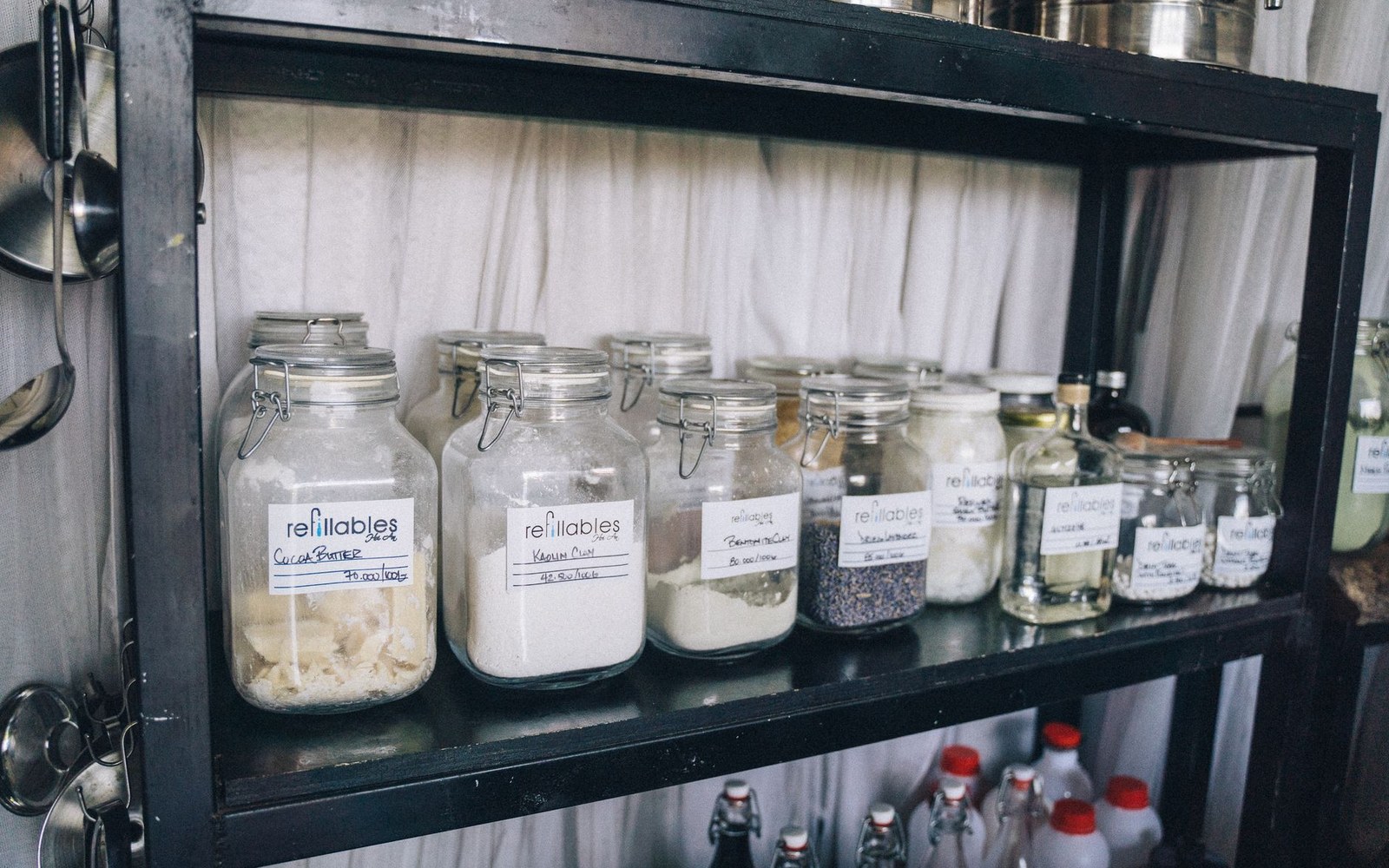
Cold storage is where most of a kitchen’s money sits. What is labelled, dated and used decides food cost more reliably than the menu price does.
Photo: Anna Tarazevich / PexelsNaming the farm on the menu was partly transparency and partly a discipline. Once a grower's name appeared in print each evening, substituting a cheaper commodity alternative was no longer a quiet back-of-house decision — it broke the menu's explicit promise. The named-farm format tightened the supply chain by making it public.
The labour consequence is less discussed but equally real. A daily-changing menu requires cooks who can execute across a broad range, not simply repeat a fixed station. Prep cannot be templated weeks in advance; mise en place is rebuilt from scratch each morning. Brigade structures built around a fixed menu's repeating components have to be rebuilt around the season's variables instead.
For distributors, the model was largely incompatible. Conventional produce distribution runs on volume commitments and standardised specifications — uniform sizing, fixed-week contracts — which the direct-farm model actively avoids. What Waters's kitchen discovered, and what has since become orthodoxy in sourcing-led restaurants from Copenhagen to Lima, is that daily menus built on availability require the restaurant to absorb the forecasting risk that a distributor would otherwise carry. You take the field's uncertainty onto your order pad, or you don't really mean it.
How the model works operationally
- 01Daily-changing single-page menu — no dish repeats unless ingredients do
- 02Order placed after grower contact, not before — menu follows supply
- 03Named farms on the printed menu — substitution becomes a public, not private, decision
- 04No buffer stock by design — over-ordering means direct waste, no menu safety net
- 05Broad-range cook skill required — prep cannot be templated across a fixed station