A Mould Doing a Job: Fermentation from Kimchi to Garum
Salt, bacteria and a cultivated mould are the same process at three different speeds.
Traces fermentation from a home-scale kimchi (salt percentage, weight-to-vessel ratio, ambient temperature) through koji cultivation and on to garum — the fish sauce method that Noma's fermentation lab put back into professional kitchens.
Photo: Polina Tankilevitch / PexelsThe Starting Point: Salt Does the Selecting
Fermentation is not a technique so much as a condition — one the cook creates and then steps back from. The organism does the work. Understanding that continuity, from a crock of kimchi on a cold shelf to a garum ageing under heat lamps in a professional fermentation lab, is more useful than treating each preparation as its own separate discipline.
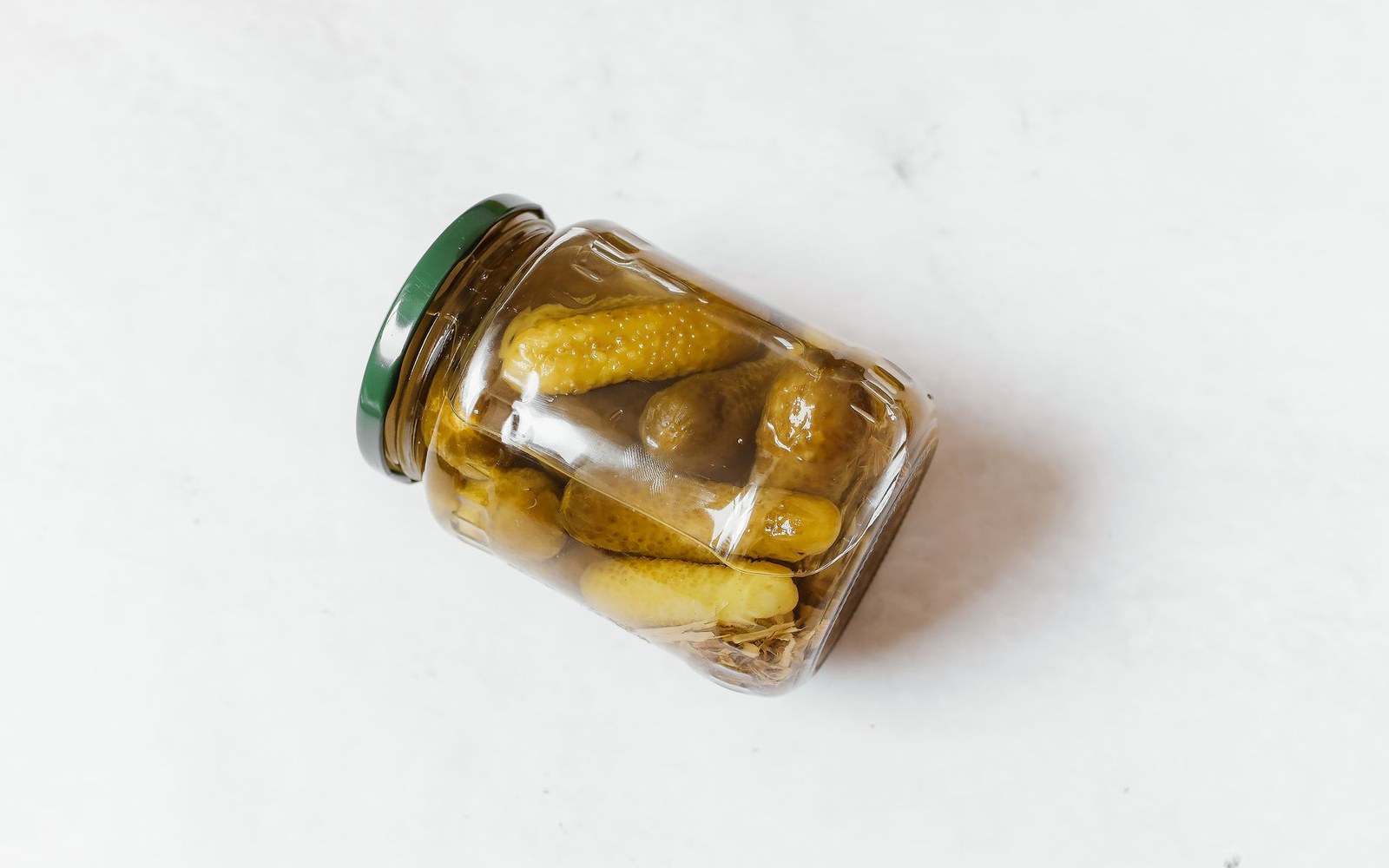
Kimchi is the clearest entry point because the biology is visible. The method: napa cabbage, salted at roughly two per cent of total weight, left to brine for four to six hours, rinsed, combined with a paste of gochugaru, garlic, ginger and fermented shrimp (saeujeot), then packed tightly into a vessel with as little air as possible. The salt does two things simultaneously. It draws water from the cabbage cells by osmosis, creating the brine in which fermentation will occur, and it selects against spoilage organisms — most pathogens are salt-intolerant at concentrations above one to two per cent. What survives are Lactobacillus species, the lactobacillus bacteria that convert the cabbage's residual sugars into lactic acid. As the pH drops, the environment becomes self-protecting: acid suppresses anything salt missed.
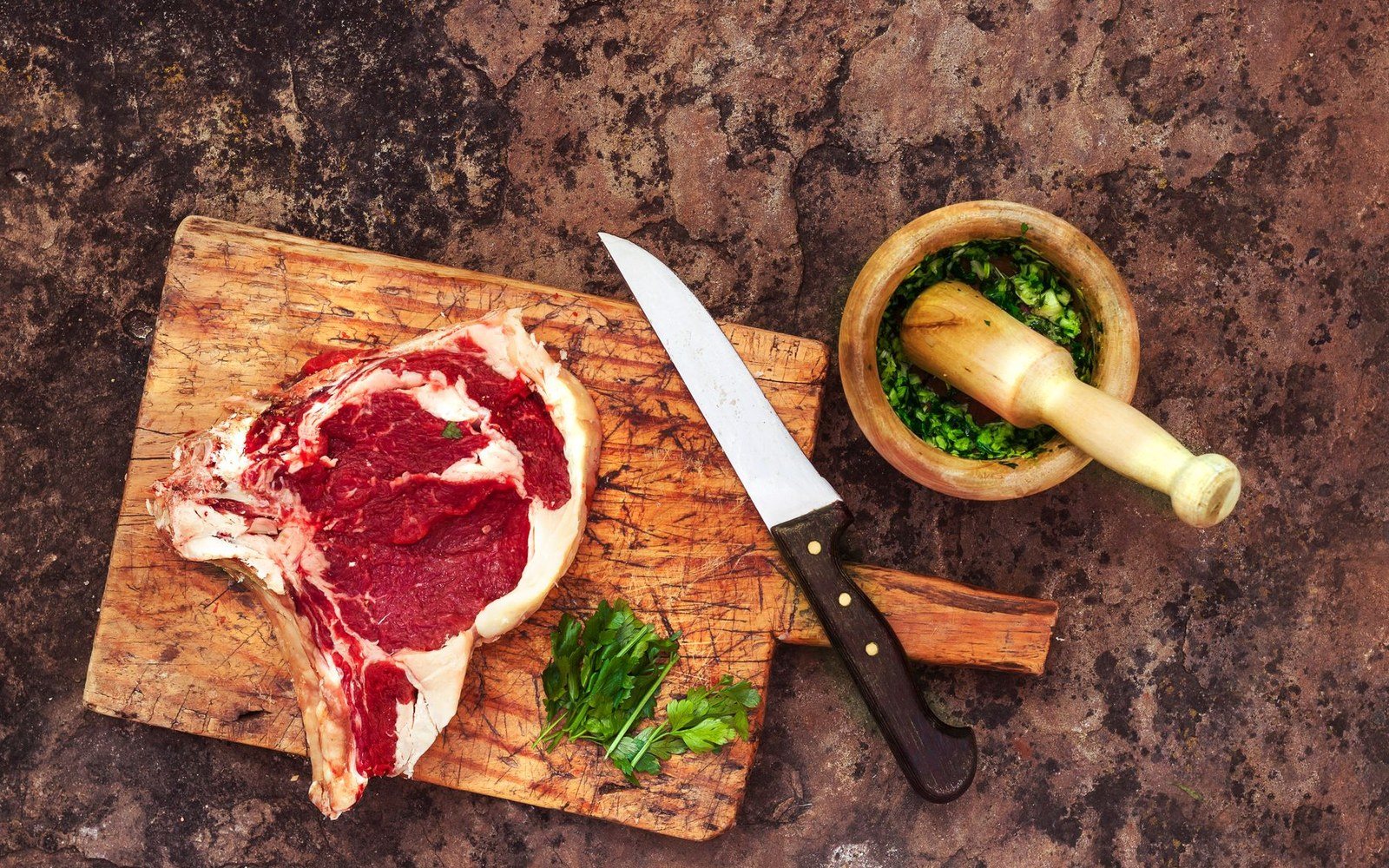
Butchery decides the cut, and the cut decides the method. A bone left in changes both the cooking time and the finished sauce.
Photo: Zakhar Vozhdaienko / PexelsTemperature governs speed. At 18 °C, kimchi reaches useful sourness in two to four days. At 4 °C, the same sourness takes three to four weeks, and the flavour develops more complex secondary notes because slower fermentation allows a longer succession of microbial activity — early Leuconostoc species acidify first, then Lactobacillus plantarum takes over. Professional kitchens that want a specific flavour profile will ferment at ambient for 48 hours to establish acidity, then refrigerate to extend and deepen. The vessel should hold the kimchi submerged under its own brine; any exposed surface will oxidise and grow kahm yeast, a white film that is harmless but flavour-neutral at best. A small weight, a zip-lock bag of brine, or simply a tight pack keeps everything below the surface.
Weight-to-vessel ratio matters practically. A one-litre jar holds roughly 800 g of packed kimchi; fill it to within two centimetres of the lid to leave room for gas expansion without allowing excessive headspace. Fermentation generates CO₂, which creates a low-oxygen environment — essential for the lactobacillus bacteria, which are anaerobic in their fermentation pathway. A loose lid or an airlock releases pressure; a sealed jar requires daily burping in the first 48 hours.
The Mould Step: Koji as a Precision Tool
Moving from lacto-fermentation to koji cultivation is a shift in organism and intention. Where kimchi relies on bacteria already present on the vegetable, koji requires inoculating a substrate with Aspergillus oryzae spores (tane-koji), then holding it under specific conditions long enough for the mould to colonise thoroughly. The mould's purpose is enzymatic: its amylases break down starches to sugars, its proteases cleave proteins to free amino acids and glutamates. Those glutamates are why koji-treated grains taste deeply savoury — umami is the chemical reality of that enzymatic work.
The numbers in sequence
- 01Kimchi salt percentage: approximately 2% of total weight
- 02Active fermentation temperature for kimchi: 18 °C gives sourness in 2–4 days; 4 °C gives 3–4 weeks
- 03Vessel fill: leave 2 cm headspace; 1-litre jar holds ~800 g packed kimchi
- 04Koji inoculation rate: 0.1–0.2% tane-koji by weight of substrate
- 05Koji chamber: 28–30 °C, 75–85% relative humidity, 40–48 hours for full colonisation
- 06Koji optimal protease activity: 50–65 °C
- 07Garum ratio: protein + equal-weight koji; salt at 2–3% of total mass
- 08Garum duration at 60 °C: 8–12 weeks
The substrate is typically short-grain rice or pearl barley, soaked and steamed to a texture that is cooked through but not wet — individual grains distinct, surfaces slightly dry to the touch. Wet surfaces prevent spore adhesion and encourage bacterial contamination before the mould takes hold. After steaming, cool the grain to 30–32 °C before inoculation: above 35 °C kills the spores; below 28 °C slows germination to the point where competitive organisms gain ground. Inoculate at 0.1–0.2 per cent tane-koji by weight, mixed in thoroughly, then transfer to a wooden or perforated tray in a chamber held at 28–30 °C with relative humidity around 75–85 per cent. At 24 hours, the grain should feel slightly warm from metabolic heat and show a faint white bloom. By 40–48 hours, it should be fully colonised — white, fragrant with a mushroom-and-chestnut aroma, with grains bound into clumps by mycelium. At this point, refrigerate or use immediately; the mould will continue generating heat if left, and the temperature will spike above 40 °C, killing it or driving it into sporulation.
Koji is useful on its own as a curing agent — rubbed on proteins and refrigerated for 24–48 hours, the enzymes partially break down muscle fibres and surface proteins, tenderising and deepening flavour. But its larger significance is as a foundation for the fermentations that require enzyme activity: miso, sake, and the garum that Noma's fermentation lab brought back into professional circulation.
Garum: High Temperature, Long Time, Controlled Decay
The original Roman garum was the liquid that pooled above fish packed with salt in terracotta vessels and left in the Mediterranean sun. The salt-to-fish ratio was high — ancient sources suggest a high proportion of salt, well above the levels used in modern koji garum — which preserved against spoilage while the fish's own endogenous enzymes broke down protein to a rich, glutamate-dense liquid over months. What Noma's fermentation lab, under René Redzepi and with Arielle Johnson contributing significant research into the underlying biochemistry, recognised was that the ancient method could be accelerated and extended to non-fish proteins by adding koji. Koji supplies the proteolytic enzymes the substrate might lack on its own. A beef garum, for instance — impossible with the ancient method, which relied on fish enzymes evolved for exactly that task — becomes achievable when koji provides the enzymatic arsenal.
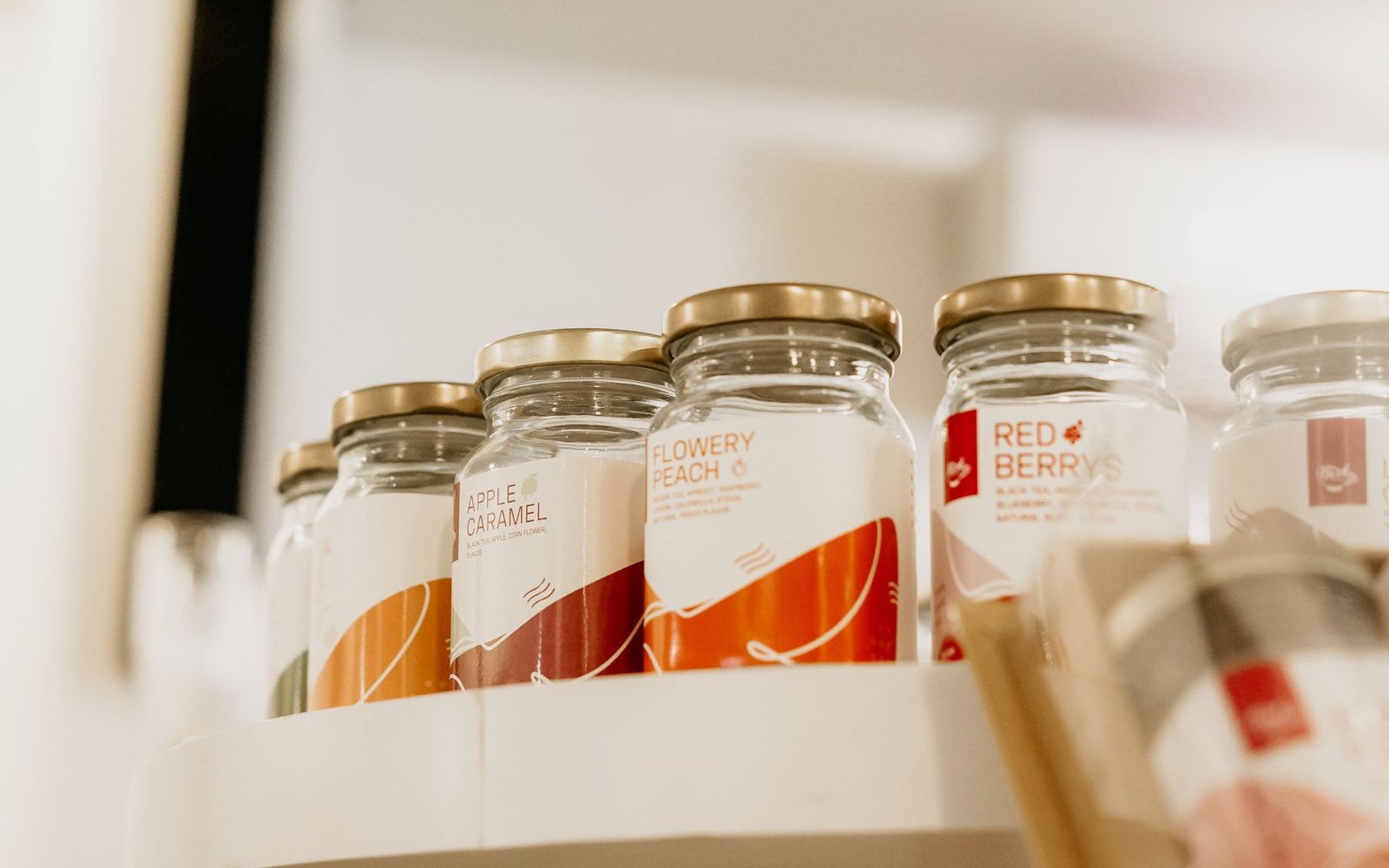
A ferment is a method that runs without a cook standing over it — which is why the ratio, the temperature and the date on the label do all the work.
Photo: Yuwanda Sandhi / Pexels
Oven temperature, not time, is the control in every method on this site: the number on the dial decides what the heat can do to collagen, gluten or fat.
Photo: Алексей Гвоздев / PexelsThe working method: combine a protein (beef scraps, chicken wings, grasshoppers, rose petals — Noma used all of these) with koji at roughly equal weight, add salt at two to three per cent of the total mass, seal in a vacuum bag or a jar covered with cheesecloth, and hold at 60 °C for eight to twelve weeks. The heat serves two purposes: it falls within the optimal activity range for koji's proteases (50–65 °C), and it suppresses mesophilic bacteria that would otherwise compete or spoil. What results after straining is a liquid of deep colour and extraordinary savoury intensity — more complex than any single amino acid compound, because the enzymatic cascade produces hundreds of breakdown products in proportions that depend on the specific protein used.
Salt percentage here is not just preservation; it is flavour calibration. At two per cent, a garum is aggressive and versatile. At higher salt, it becomes a condiment rather than a seasoning element, deployed in drops rather than tablespoons. The Noma fermentation lab's experiments, documented in the 2018 Noma Guide to Fermentation, showed that the salt-to-protein-to-koji ratio was the primary variable the cook controls; temperature and time, once set, run without intervention.
The continuum from kimchi to garum is a single principle operating at different scales of complexity. Salt selects, acid protects, mould provides enzymes, heat extends the range of possible substrates. A cook who understands why the two per cent brine works in kimchi already understands why the three per cent salt does the same job in a garum — and why the koji is there when the protein can't break itself down alone. The method changes; the underlying logic does not.
How the organisms shift across the process
- 01Kimchi: Leuconostoc spp. initiate; Lactobacillus plantarum dominates as pH drops — no inoculation needed, organisms already present
- 02Koji: Aspergillus oryzae, inoculated as tane-koji spores, produces amylases and proteases
- 03Garum: koji's proteases carry out enzymatic breakdown at heat that eliminates competing bacteria