Why a Sauce Breaks and What to Do Before It Does
Emulsions fail for two reasons. Both are predictable.
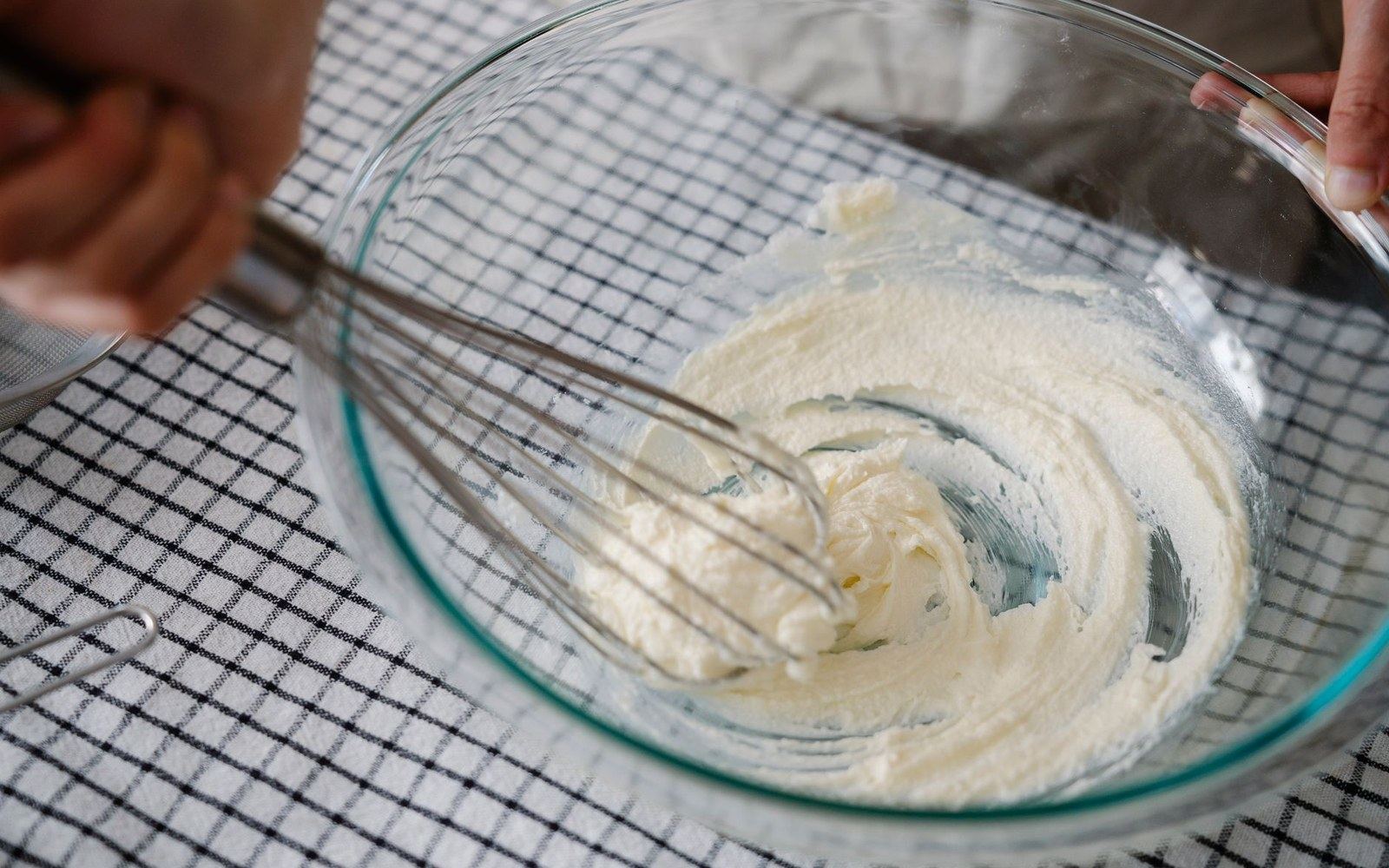
An explainer on emulsion stability — hollandaise, beurre blanc, pan sauces — covering the physics of fat droplets, the role of lecithin in egg yolk, and the two points in a method where most sauces actually fail.
Photo: Felicity Tai / PexelsThe physics first
An emulsion is fat suspended in water — or water suspended in fat — held apart by an emulsifier sitting at the interface between the two phases. In hollandaise and beurre blanc, the continuous phase is water; the dispersed phase is fat droplets. Left alone, those droplets coalesce. The emulsifier's job is to stop them.
In hollandaise, the emulsifier is lecithin, a phospholipid found in egg yolk. Lecithin molecules are amphiphilic: one end is attracted to water, the other to fat. They line up at the fat-water interface, physically preventing droplets from merging. A single egg yolk contains roughly 10 percent lecithin by dry weight — enough to hold a volume of clarified butter roughly ten times its own weight, provided temperature and agitation stay controlled.
Nothing on a pass is weighed during service. Quantities are settled hours earlier, in containers, which is why a written ratio matters more than a written recipe.
Photo: FOX ^.ᆽ.^= ∫ / PexelsBeurre blanc works differently. Whole cold butter contains water, fat and milk proteins; as it melts slowly into a hot reduction, the proteins and remaining water form a semi-stable suspension. No added emulsifier beyond what butter already contains. That is why beurre blanc has less tolerance than hollandaise: the emulsifying capacity is lower, the margin narrower.
Where sauces actually fail
Failure happens at one of two moments: too much heat, or too much fat too fast.
Heat. Lecithin loses emulsifying function above roughly 70 °C; the egg proteins in hollandaise begin to coagulate and scramble. A sauce held above that threshold for more than a few minutes is not recoverable — the proteins are set. A beurre blanc breaks earlier still. The fat in butter begins to separate at temperatures that denature the milk proteins holding the emulsion together; once the sauce goes oily and grainy, it has already split into its phases. Prevention here is a bain-marie set to 60–65 °C and butter added in pieces cold from the refrigerator, not at room temperature.
What goes wrong and when
- 01Too much heat (above ~70 °C) — lecithin fails, proteins coagulate; sauce becomes grainy or scrambled
- 02Fat added too fast — lecithin cannot redistribute; uncoated droplets pool; sauce breaks in seconds
- 03Holding too long at temperature — gradual coalescence; sauce becomes oily without warning
Addition rate. Pour fat into a yolk base too fast and the lecithin cannot redistribute quickly enough to coat new droplets as they form. The uncoated fat pools. A classical hollandaise whisked to ribbon stage before any butter is added will hold the addition of butter in a thin stream; the same yolk base with cold, unmounted butter poured in quickly will break in under ten seconds. Beurre blanc requires the same discipline: mount the butter in a moderate stream with constant movement, never stop stirring, never drop the pan.
Most breaks occur in the first thirty seconds of butter addition or after the sauce has been held at temperature for more than twenty minutes without attention.
Recovery
A broken hollandaise is recoverable if the proteins have not scrambled. The method: in a clean bowl, whisk a teaspoon of warm water to a soft foam. Add the broken sauce drop by drop, whisking continuously — the fresh water provides a new aqueous phase for the fat droplets to be redistributed into. Once the emulsion re-forms, the addition rate can increase. If the sauce smells of cooked egg, discard it.
Butchery decides the cut, and the cut decides the method. A bone left in changes both the cooking time and the finished sauce.
Photo: Zakhar Vozhdaienko / PexelsA broken beurre blanc is more temperamental. Remove the pan from heat immediately. Add a cold knob of butter and whisk hard; the sudden drop in temperature, combined with fresh emulsifying proteins from the uncooked butter, can pull a lightly broken sauce back. A heavily broken one — visibly oily, sauce and reduction fully separated — is generally not worth saving. Start the reduction again.
Pan sauces, which are looser emulsions built from deglazed fond and mounted butter, break silently: the butter just sits on top. The fix is the same cold-butter addition off the heat, followed by vigorous whisking in the pan rather than in a bowl.
The rule across all three: heat is the enemy of stability; rapid, careless addition is the trigger. Control one, monitor the other, and a broken sauce is a recoverable event. Let both slide at once and it is not.
Recovery at a glance
- 01Hollandaise (unscrambled): whisk broken sauce drop-by-drop into a teaspoon of warm water in a clean bowl
- 02Beurre blanc (lightly broken): off heat, add a cold knob of butter and whisk hard
- 03Pan sauce: mount cold butter off heat, whisk vigorously in the pan